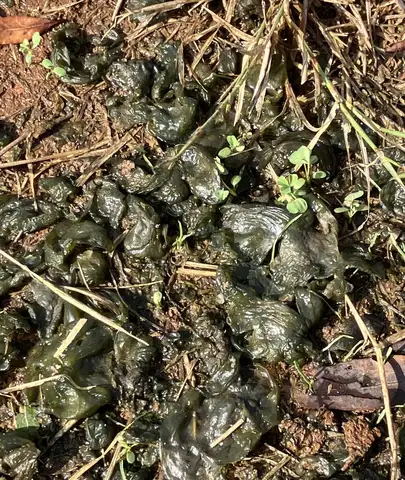
Algae
A slimy dark scum that grows on bare, wet, shady soil where grass is thin—more of a symptom than a disease itself.
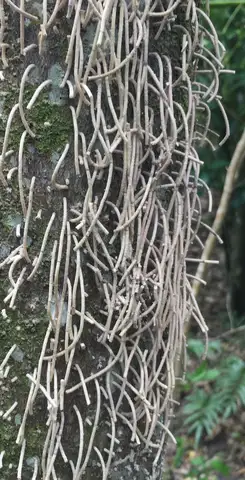
Ambrosia Beetles
Tiny beetles that bore into stressed or newly planted trees, often killing them fast once they attack.
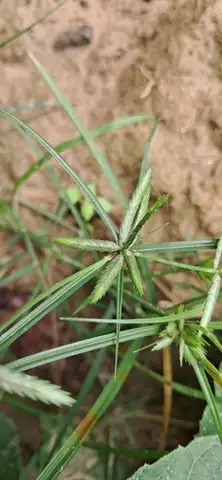
Annual (Poorland) Sedge
A summer weed that thrives in soggy lawns but, unlike its cousins, doesn't come back from roots year after year.
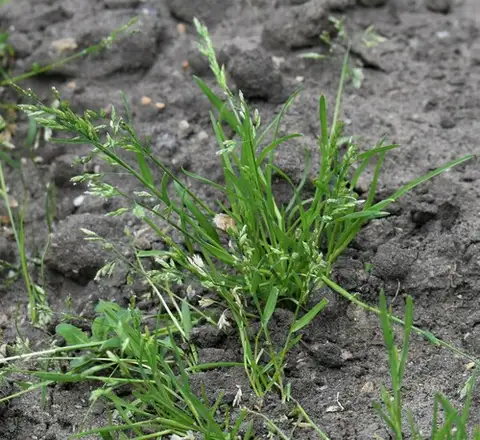
Annual Bluegrass
A cool-season weed grass that pops up bright green in winter lawns, then dies off and leaves bare patches by summer.
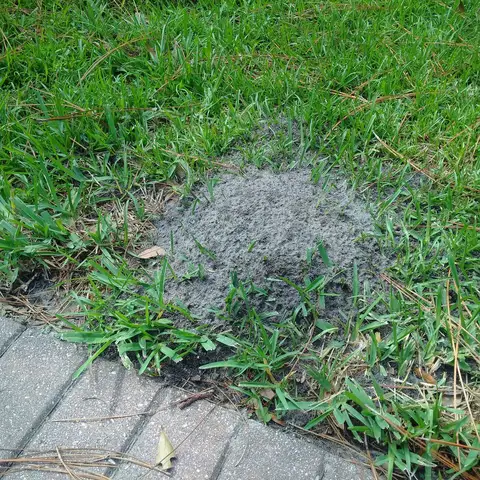
Ants (including Fire Ants)
Fire ants build mounds in lawns and sting aggressively when disturbed — a real concern for kids and pets outside.
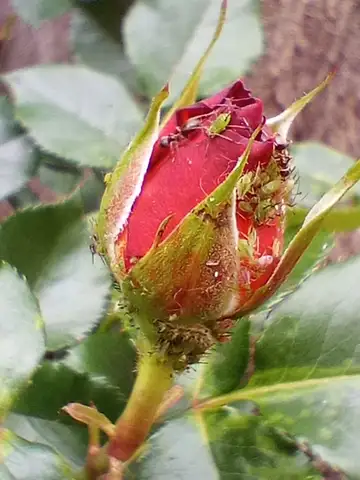
Aphids
Tiny sap-sucking bugs on ornamentals that leave sticky honeydew and black sooty mold on leaves.
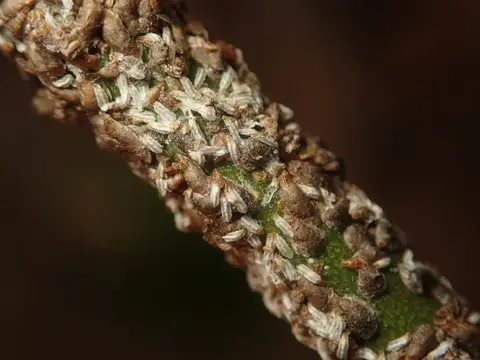
Armored Scale
Tiny bark-hugging pests that can weaken shrubs like euonymus, camellia, and holly over time.
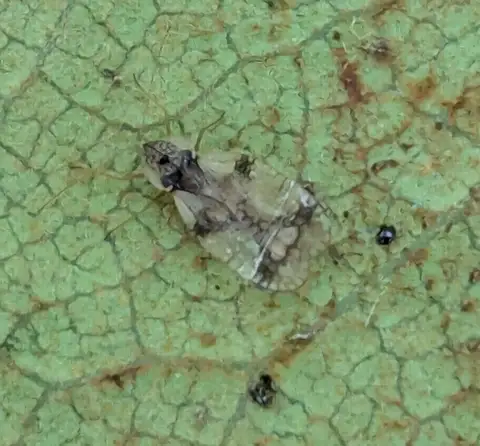
Azalea Lace Bug
A tiny sap-sucking bug that leaves azalea leaves speckled and pale. Bad infestations make plants look sickly all season.
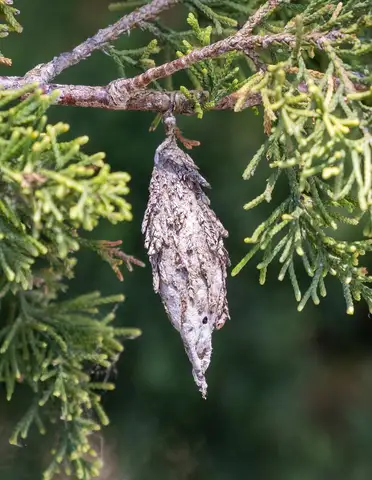
Bagworms
Small caterpillars that build camouflaged bags on trees and shrubs, chewing foliage and thinning out plants over time.
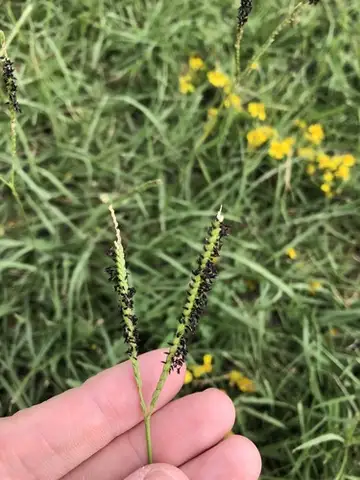
Bahiagrass
A coarse, spreading perennial grass that sticks out in home lawns and is tough to get rid of once established.
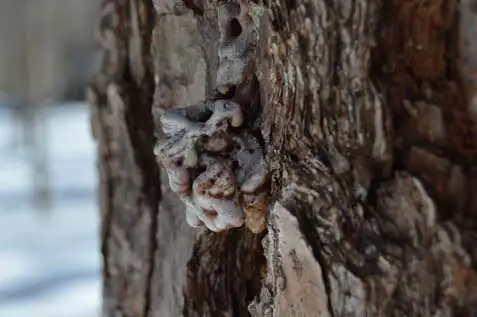
Bark and Pine Beetles
These beetles attack pines that are already stressed or dying, hastening the tree's decline and posing a risk to nearby trees.
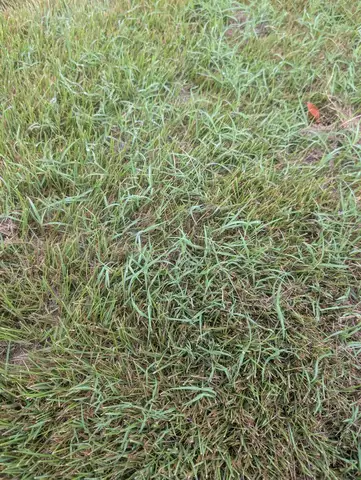
Bermudagrass
A warm-season grass that creeps into fescue, bluegrass, and ryegrass lawns and is tough to get rid of.
Bermudagrass Mite
A tiny mite that causes tufted, bunchy growth on bermudagrass. Mostly a cosmetic issue for home lawns.
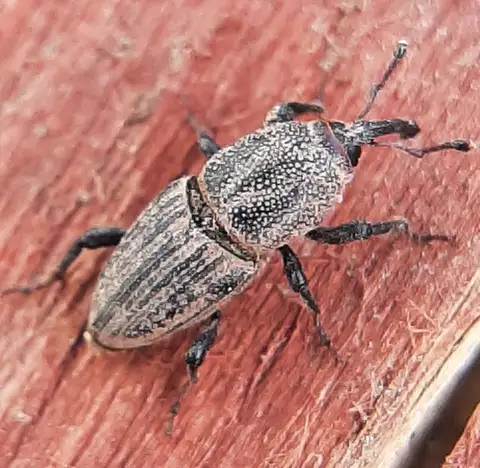
Billbug
A turf pest whose larvae tunnel into grass stems and roots, leaving dead patches that look like drought or grub damage.
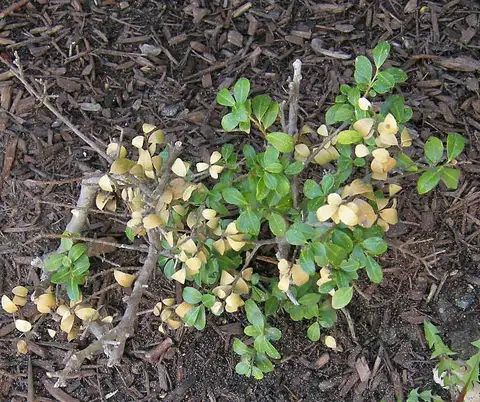
Black Root Rot
A root disease that often hitches a ride on new nursery plants, causing weak, yellowing growth that looks like transplant stress.
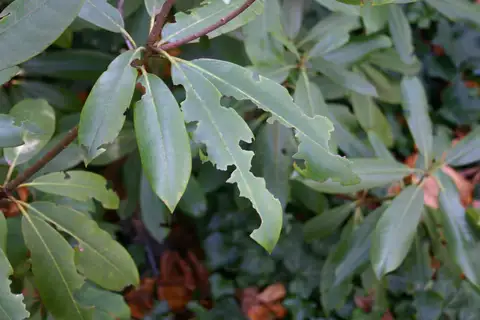
Black Vine Weevil
A nighttime beetle whose grub-like larvae chew on plant roots, sometimes killing shrubs like azaleas and yews.
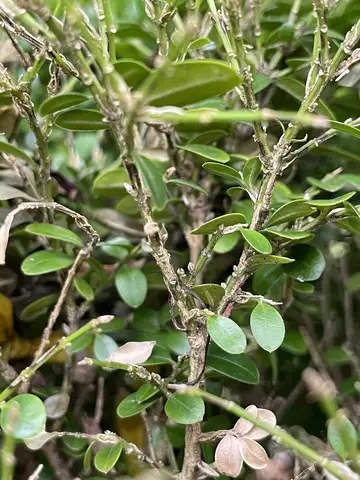
Boxwood Blight
A serious fungal disease of boxwood that causes rapid leaf drop and can kill plants if left unchecked.
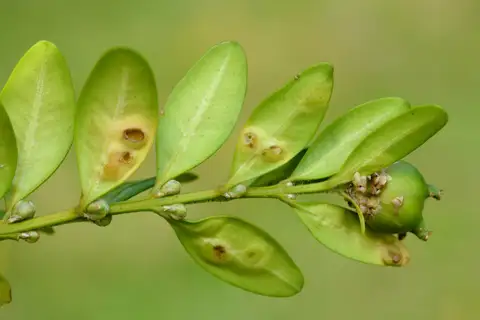
Boxwood Leafminer
A tiny pest that tunnels inside boxwood leaves, leaving them blistered and off-color. Bad infestations can make a boxwood look sickly year-round.
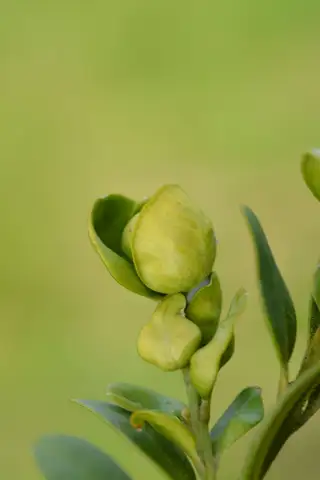
Boxwood Psyllid
A tiny insect that makes boxwood leaves cup and curl. It's mostly a cosmetic issue, not a plant-killer.
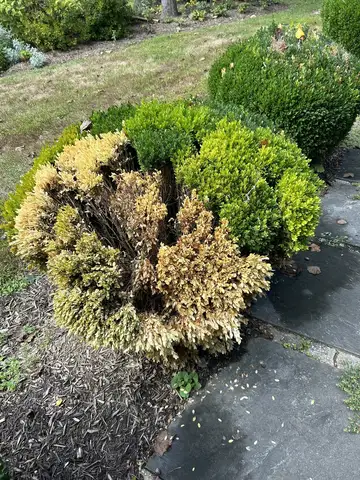
Boxwood Volutella Blight
A stress-related fungal disease that causes dieback in boxwood. It's a look-alike for the more serious boxwood blight, so ID matters.
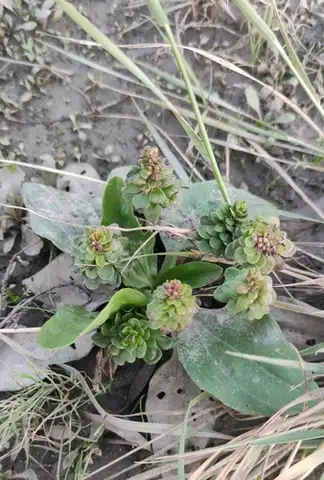
Broadleaf Plantain
A tough perennial weed that loves compacted, thin lawns and sticks around all year.
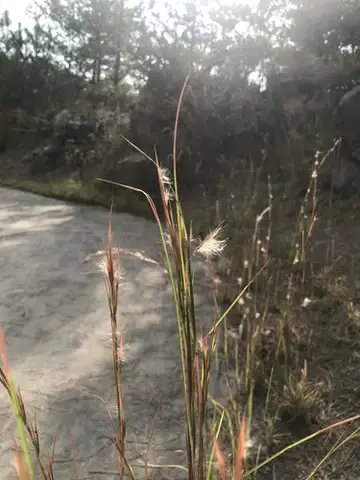
Broomsedge
A tough perennial bunchgrass that pops up when soil is poor, dry, or acidic — it's a sign your lawn needs some soil help.
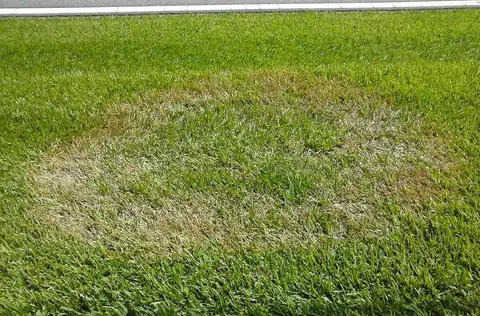
Brown Patch
A summer fungal disease that causes circular brown patches in fescue and other cool-season lawns during hot, humid weather.
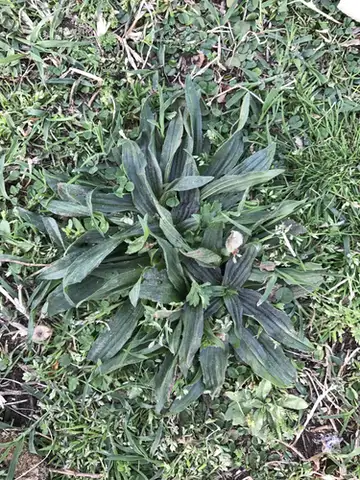
Buckhorn Plantain
A tough perennial weed with a taproot that moves into thin, weak turf areas.
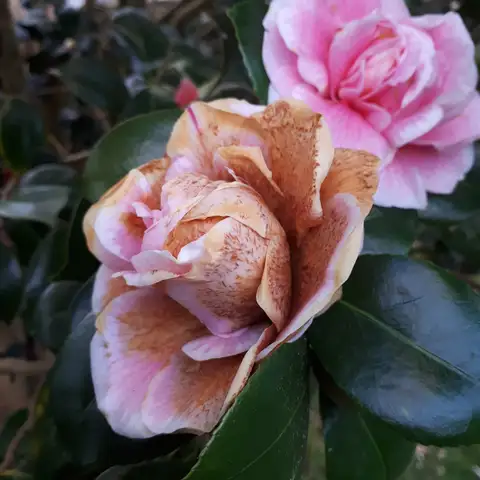
Camellia and Azalea Flower Blight
A fungus that turns camellia, azalea, and rhododendron blooms brown and mushy, though leaves stay healthy.
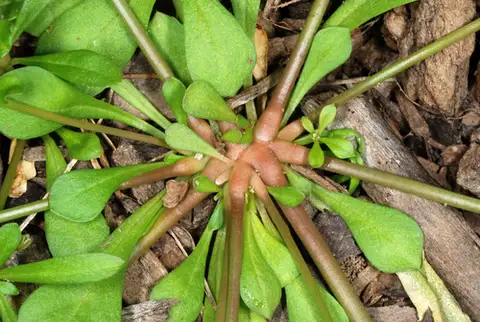
Carpetweed
A low, mat-forming summer weed that moves fast into thin or bare spots in the lawn.
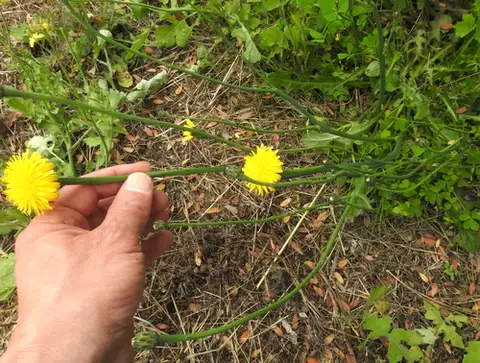
Cat's Ear (False Dandelion)
A dandelion look-alike that pops up in thin or stressed lawns and flowers most of the growing season.
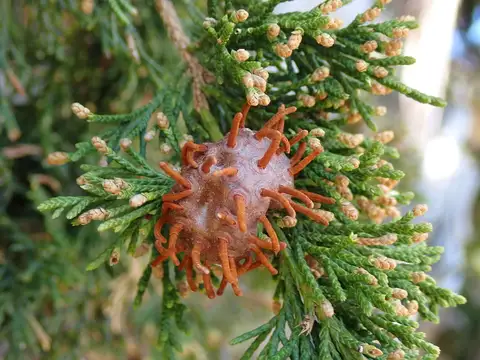
Cedar-Apple Rust
A fungus that needs both cedar/juniper and crabapple-type trees to complete its cycle, causing ugly spots and galls.
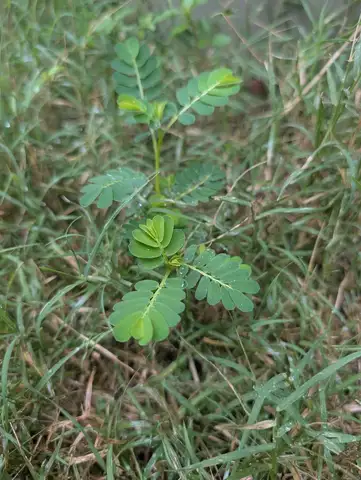
Chamberbitter
A summer weed that looks like a tiny mimosa tree, with rows of bead-like seeds under its leaves. Common in NC lawns and beds.
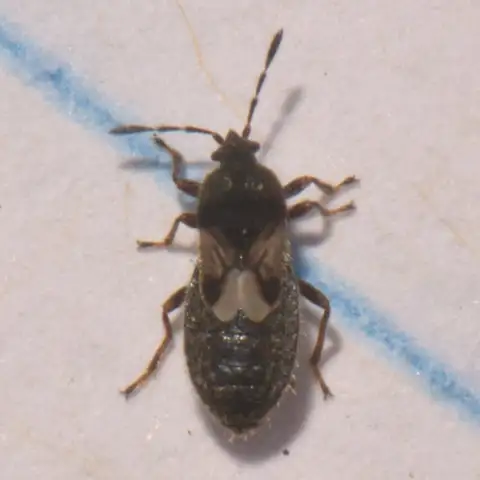
Chinch Bug
A tiny turf pest that sucks moisture from grass, leaving sunny patches wilted and discolored that won't green back up with water.
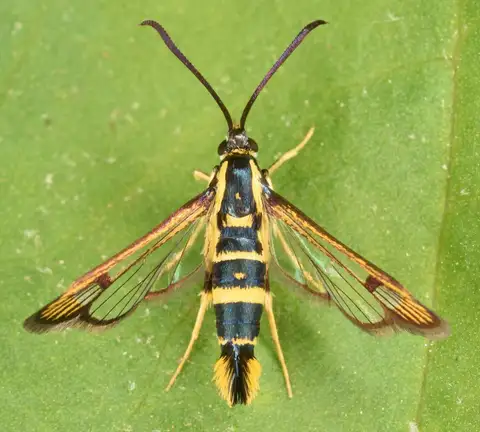
Clearwing Borers
Moth larvae that bore into tree and shrub trunks, causing dieback—often starting at wounds or graft unions.
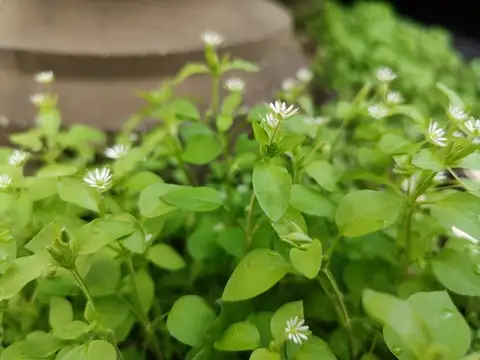
Common Chickweed
A low, spreading winter weed that thrives in thin, shady, damp lawns and spreads fast once it takes hold.
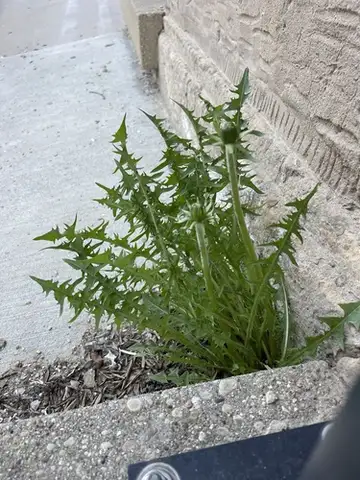
Common Dandelion
That familiar yellow-flowered weed with the deep taproot that keeps coming back if you don't out-compete it.
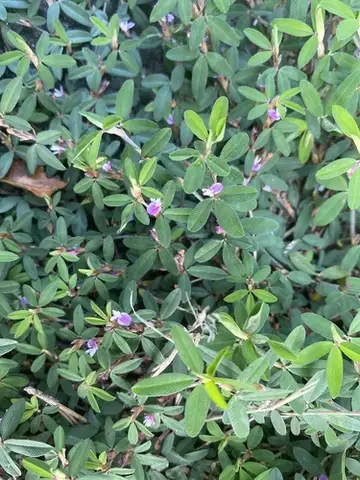
Common Lespedeza (Japanese Clover)
A wiry summer weed that thrives in acidic, under-fed lawns—especially centipede grass.
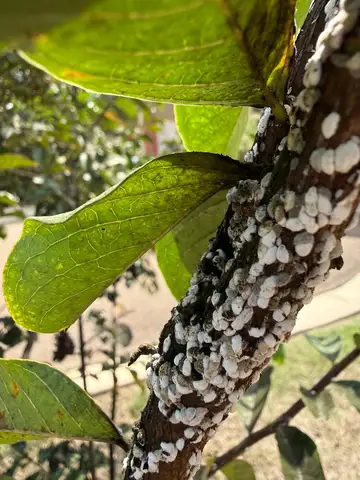
Crape Myrtle Bark Scale
A scale insect that coats crape myrtle bark with white fuzz and causes ugly black sooty mold on trunks and leaves.
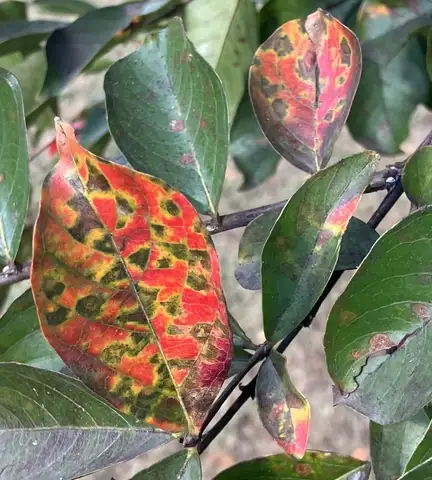
Crape Myrtle Leaf Spot
A common leaf disease on crape myrtles that causes yellowing and leaf drop late in the season.
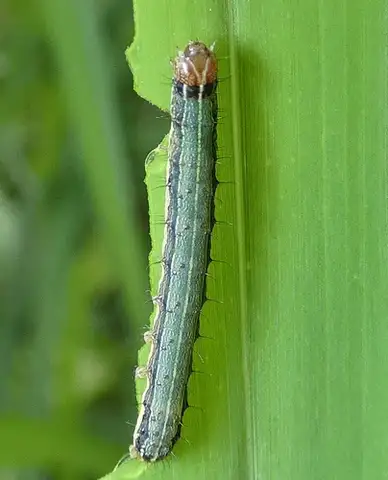
Cutworms / Armyworms / Fall Armyworms
Night-feeding caterpillars that chew up lawns fast, sometimes overnight, and can look like sudden drought damage.
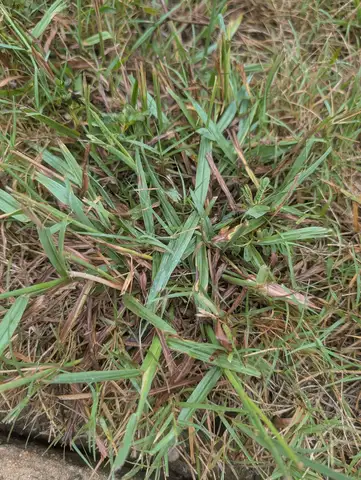
Dallisgrass
A coarse, clumping perennial grass weed that stands out from your turf and spreads by seed if left alone.
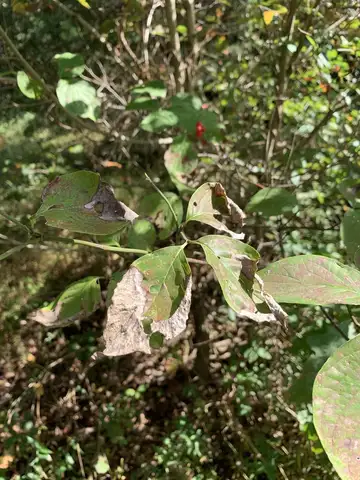
Dogwood Anthracnose
A fungal disease of flowering dogwoods that causes leaf spots, dieback, and can kill weak or shaded trees over time.
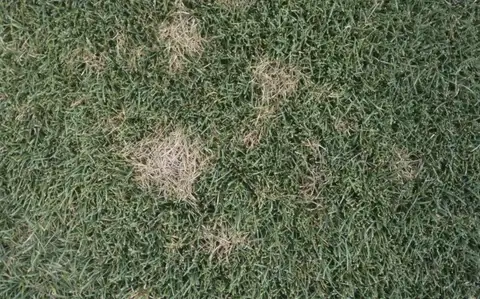
Dollar Spot
A common lawn disease that leaves small bleached-out spots, most noticeable on closely mowed grass.
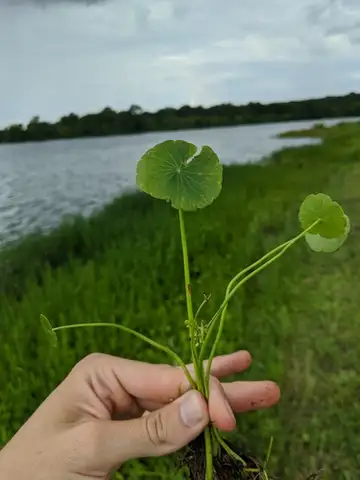
Dollarweed (Pennywort)
A shiny, round-leafed weed that thrives in soggy soil and often signals overwatering or poor drainage.
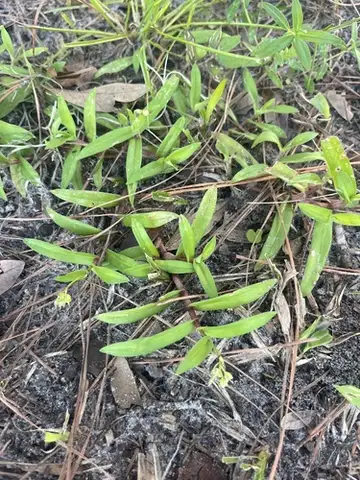
Doveweed
A sneaky summer weed that looks like grass until it flowers, showing up after most pre-emergents wear off.
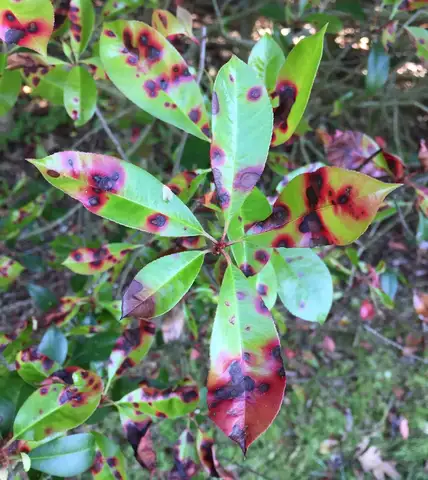
Entomosporium Leaf Spot
A fungal leaf spot that hits photinia and Indian hawthorn hedges hard, causing spotting and leaf drop.
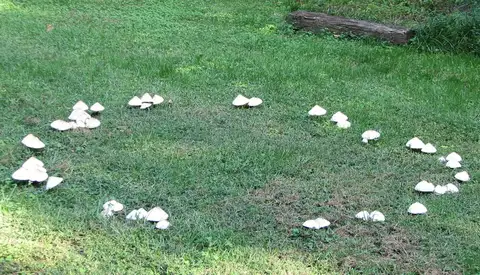
Fairy Ring
A fungus that shows up as circles of extra-green or dead grass, sometimes with mushrooms, as it breaks down buried organic matter.
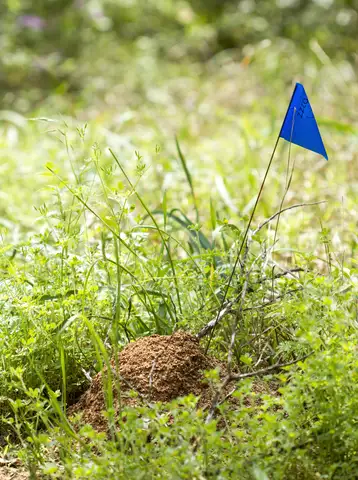
Fire Ants
Fire ants build stinging mounds in beds and lawn edges — a safety and nuisance issue for homeowners.
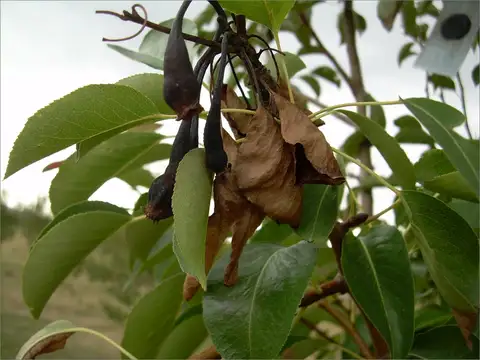
Fire Blight
A bacterial disease that blackens flowers and shoots on rose-family shrubs and trees, giving them a scorched look.
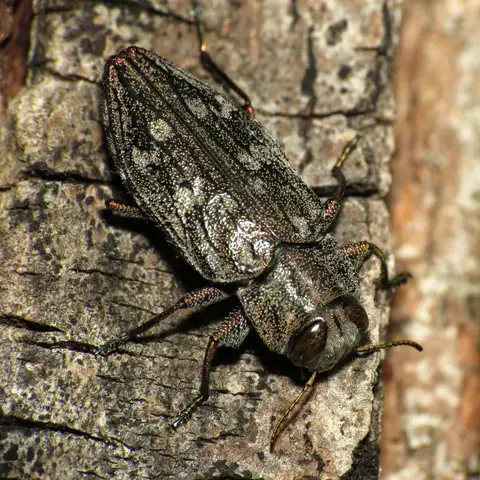
Flatheaded & Roundheaded Borers
Wood-boring beetles that attack stressed or wounded trees, causing dieback and sometimes killing them.
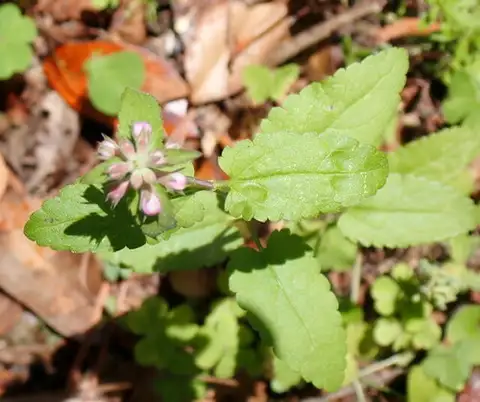
Florida Betony
A spreading perennial weed with a rattlesnake-like tuber that's very hard to get rid of once it settles in.
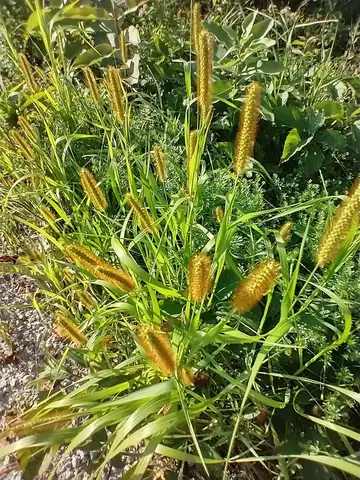
Foxtail
A summer weed grass with a fuzzy, bottle-brush seedhead—common in thin or disturbed lawn areas.
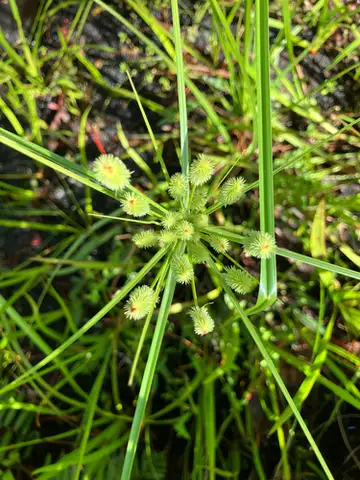
Globe Sedge
A perennial sedge that pops up in soggy or sandy spots in the lawn and keeps coming back all season.
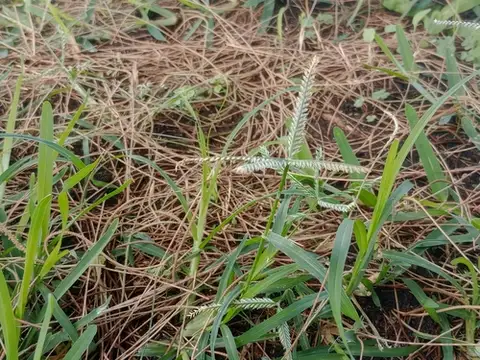
Goosegrass
A tough summer grassy weed that thrives in compacted, worn-down lawns and spreads fast in high-traffic areas.
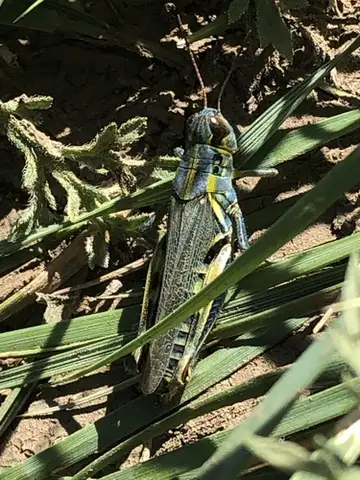
Grasshopper
Grasshoppers can chew up lawn edges near fields or unmowed areas, especially during hot, dry summers.
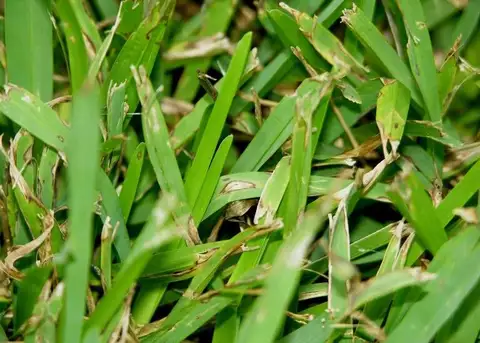
Gray Leaf Spot
A summer disease that hits stressed lawns hard, especially newly established fescue and ryegrass.
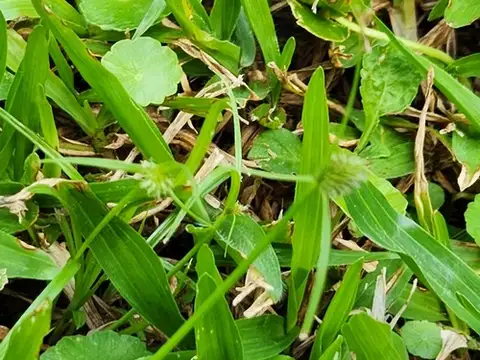
Green Kyllinga
A creeping perennial sedge that forms thick mats in wet lawns, quickly crowding out grass.
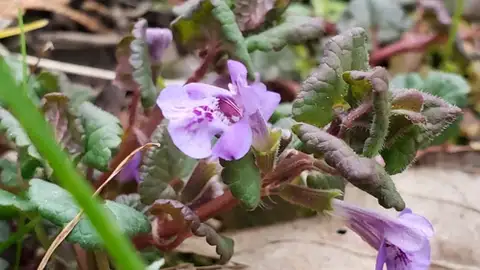
Ground Ivy (Creeping Charlie)
A minty-smelling creeping weed that spreads fast in shady, damp lawns and is tough to get rid of.
Ground Pearl
A tiny root-feeding insect that causes slow, patchy lawn decline, especially in centipede grass, with no real fix once it's there.
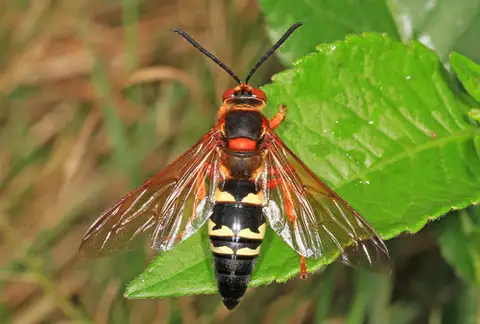
Ground-Nesting Bees & Wasps
Bees or wasps that dig burrows in thin, bare patches of lawn—some are helpful pollinators, others can be aggressive.
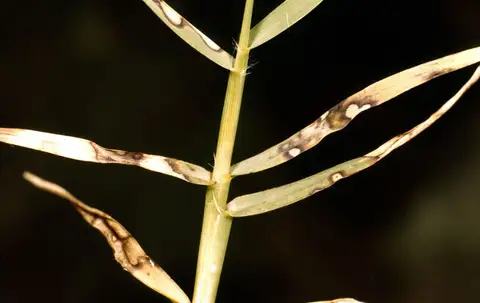
Helminthosporium Leaf Spot / Melting Out
A cool-season disease that starts as small leaf spots and can weaken tall fescue and bluegrass roots, causing thin, dying patches.
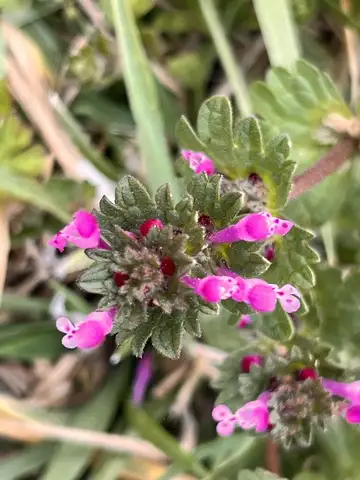
Henbit
A winter weed that pops up in thin lawns, covering them in purple flowers by late winter.
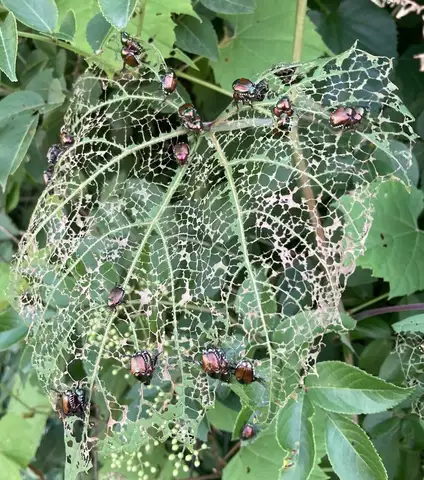
Japanese Beetle
A metallic green beetle that chews holes in leaves and flowers on many landscape plants in summer.
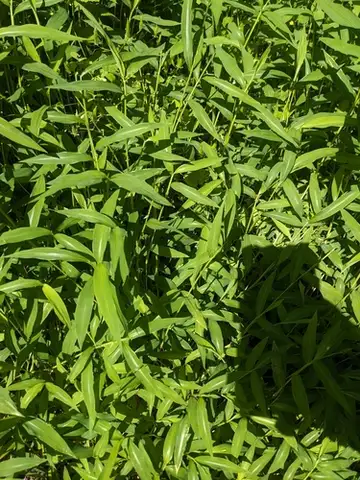
Japanese Stiltgrass
An invasive summer grassy weed that spreads fast in shady, moist spots and takes over lawn edges and beds.
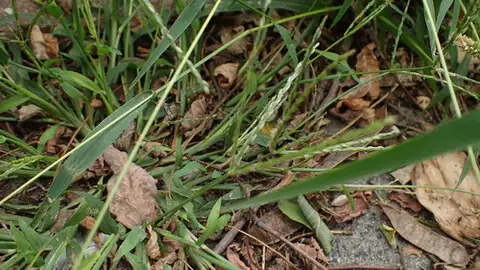
Large Crabgrass
A fast-spreading summer weed that forms thick mats in thin or bare lawn spots.
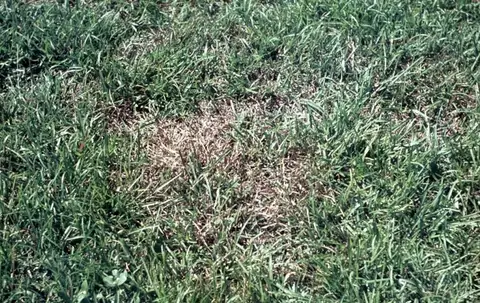
Large Patch
A fungal disease that causes big circular patches in warm-season lawns during cool, wet weather.
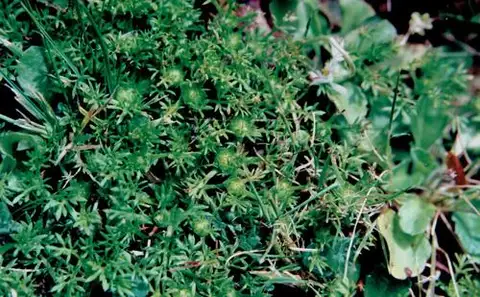
Lawn Burweed (Spurweed)
A winter weed with sharp seed pods that hurt bare feet in spring. It's becoming more common in Triangle lawns.
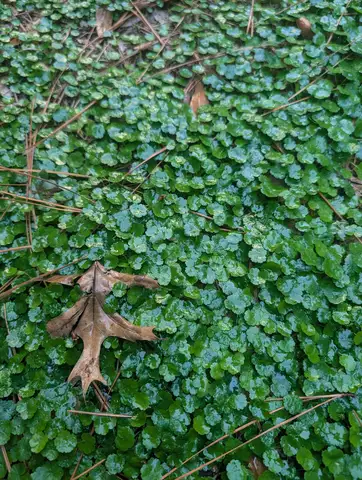
Lawn Pennywort
A tiny, glossy, round-leaved weed that forms a dense carpet in damp, shady parts of the lawn.
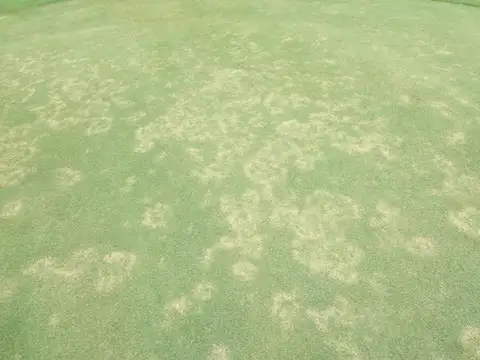
Leaf and Sheath Spot
A fungal disease of zoysiagrass that causes tan, dark-edged spots on the grass blades during warm, humid weather.
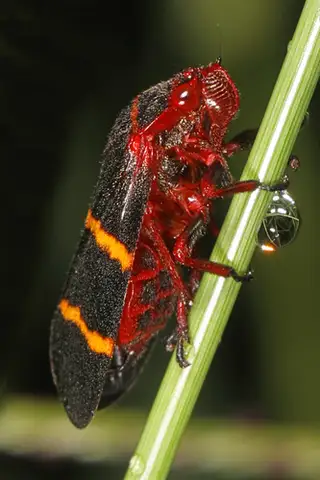
Leafhopper / Spittlebug
Small sap-sucking bugs that can leave grass looking pale and stippled, with spittlebugs making odd white foam in the lawn.
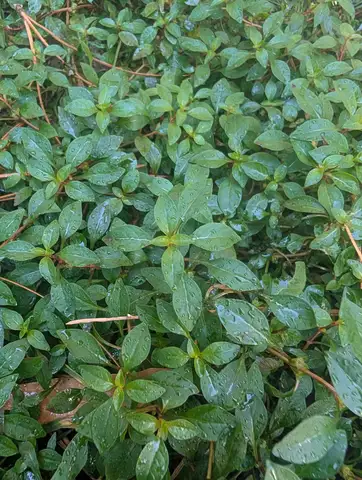
Marsh Seedbox (Water Purslane)
A low, creeping weed with glossy paired leaves and reddish stems that takes over damp, shady spots where grass struggles.
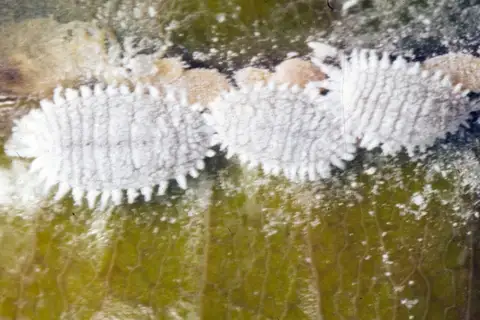
Mealybugs
Small sap-sucking pests that leave sticky, cottony residue on plants and can stunt new growth.
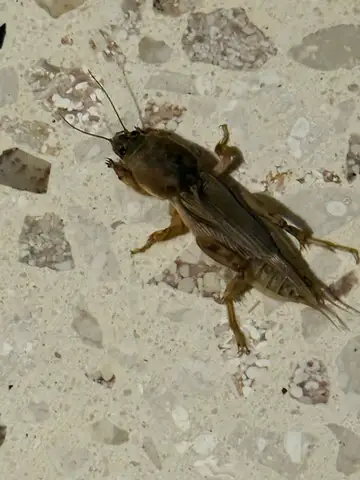
Mole Cricket
A burrowing lawn pest that tunnels through soil, damaging roots and leaving surface trails across the yard.
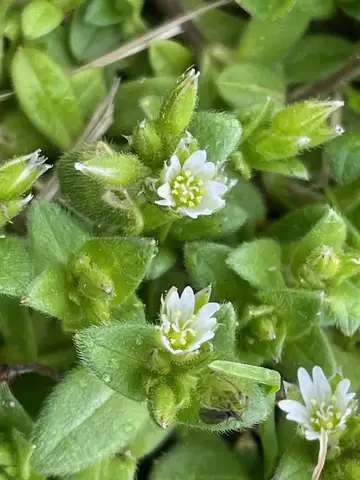
Mouseear Chickweed
A low, creeping weed that thrives in thin, damp lawns and spreads by rooting as it grows.
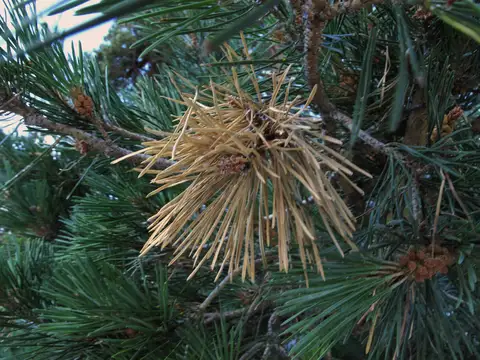
Needle Blight / Needle Cast
A fungal disease that browns and drops interior needles on Leyland cypress, junipers, arborvitae, and pines.
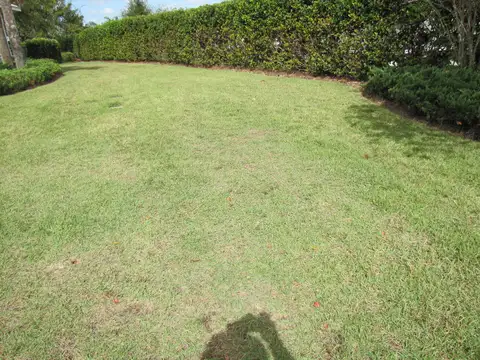
Nematodes (turf-parasitic)
Tiny soil pests that damage grass roots, causing patchy thinning that looks like drought stress but doesn't respond to water.
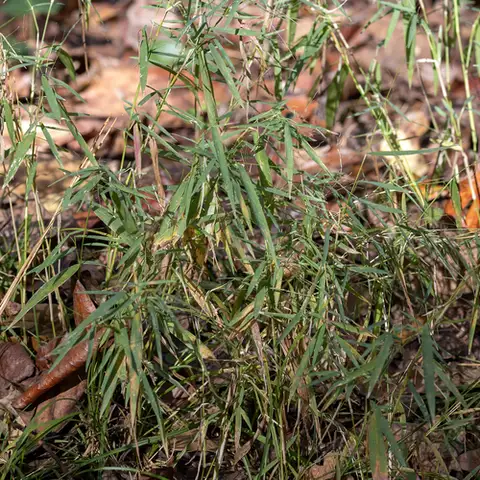
Nimblewill
A creeping perennial grass that invades lawns and stands out when it turns brown while your turf stays green.
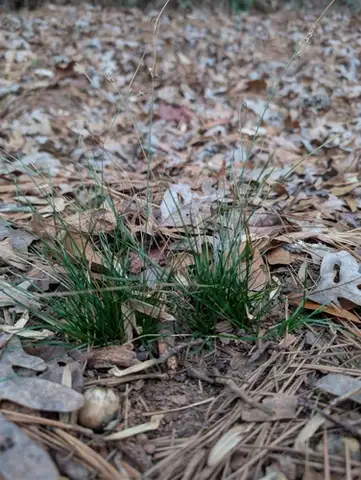
Path Rush
A tough, grass-like perennial that pops up in compacted soil, especially along paths and high-traffic spots.
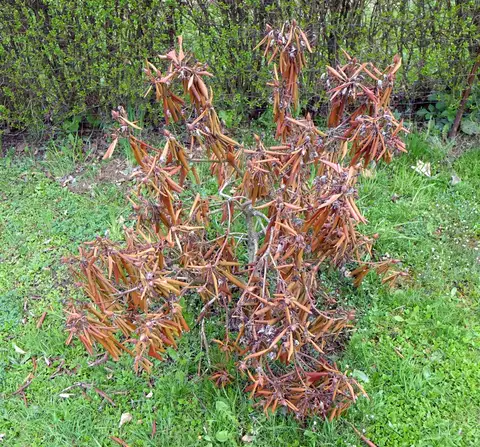
Phytophthora Root and Crown Rot
A soil-borne disease that rots roots and crowns of shrubs in wet, poorly-drained spots, often mistaken for drought stress.
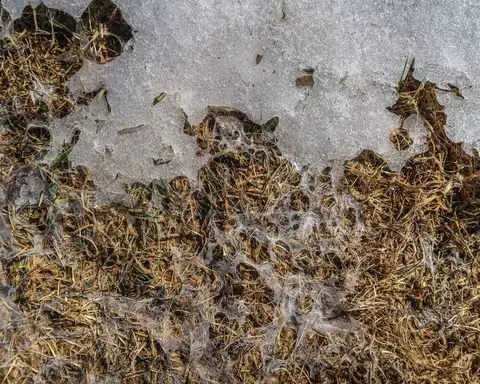
Pink Snow Mold
A cool-weather lawn disease that leaves pink-tinged, matted patches in your grass, even without real snow.
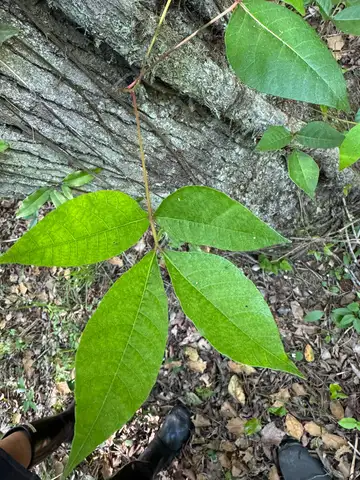
Poison Ivy
"Leaves of three, let it be." The vine behind most itchy rashes in the Triangle, and it can grow as a groundcover, shrub or climbing vine.
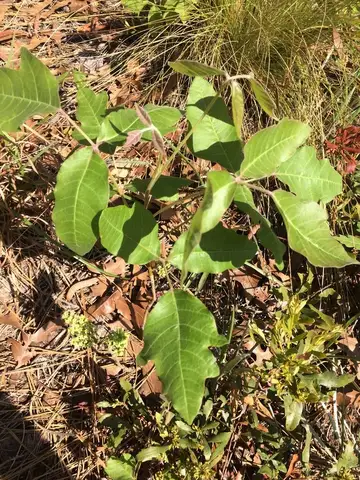
Poison Oak
A low, fuzzy-leaved shrub with the same rash-causing oil as poison ivy. Less common in the Triangle than poison ivy.
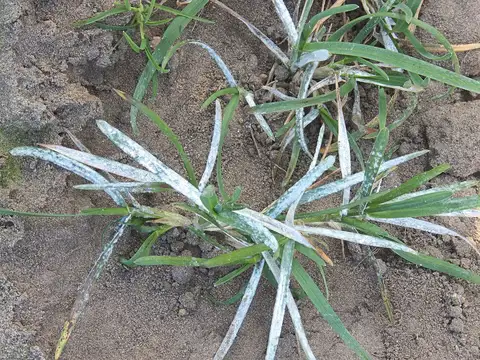
Powdery Mildew
A white, dusty coating on grass blades in shady lawn areas. It looks bad but is mostly a symptom of too much shade.
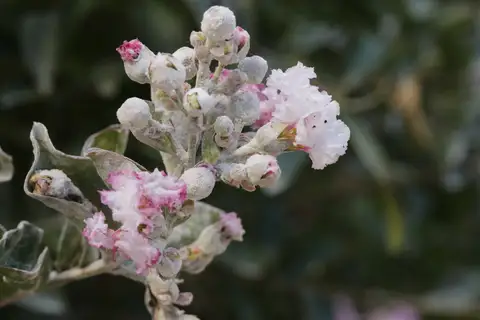
Powdery Mildew
A common fungal disease that coats leaves and stems with a white, powdery film on shrubs and trees.
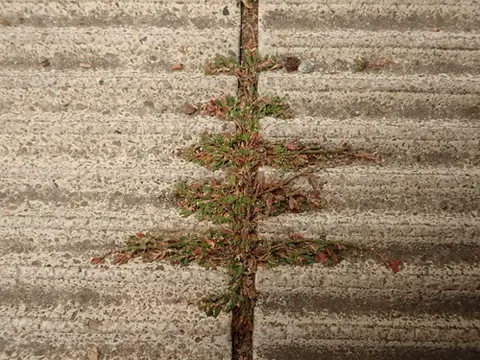
Prostrate Knotweed
A wiry, mat-forming weed that thrives in compacted soil, often along walkways and thin turf areas.
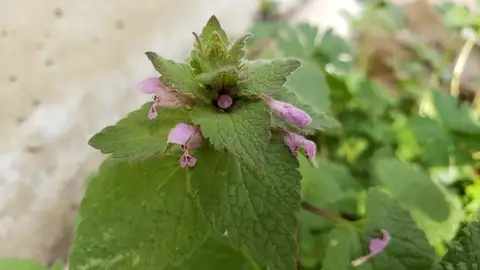
Purple Deadnettle
A winter weed that pops up in thin lawns, often growing right alongside henbit, in late winter.
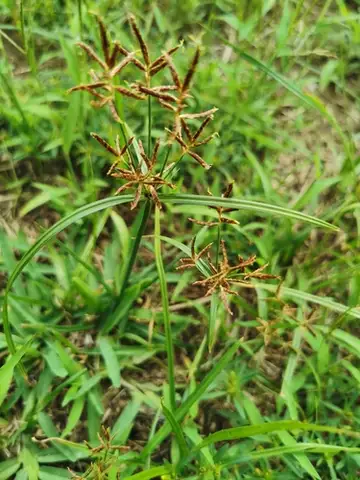
Purple Nutsedge
A tough perennial sedge that pops up in wet lawns and spreads by chained tubers underground.
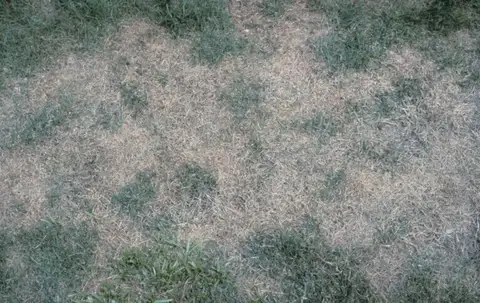
Pythium Blight
A fast-moving fungal disease that can wreck a lawn in a day during hot, humid, wet weather.
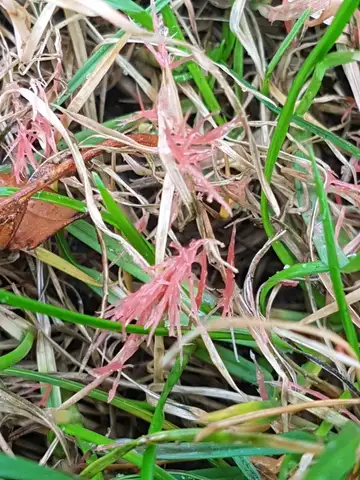
Red Thread
A lawn fungus that shows up as pink-ish patches, usually tied to low fertility in cool, wet weather.
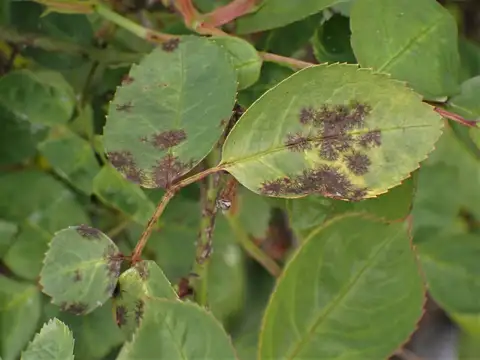
Rose Black Spot
A common fungal disease of roses that causes spotted, yellowing leaves and early leaf drop, weakening the plant over time.
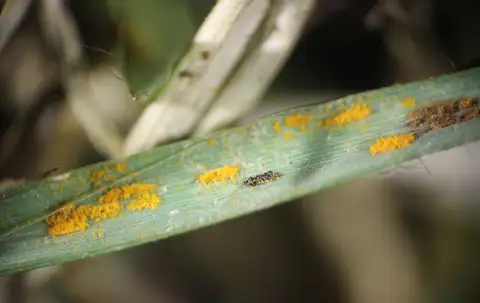
Rust
A lawn disease that leaves grass looking dusty orange, usually a sign the turf is stressed and needs some TLC.
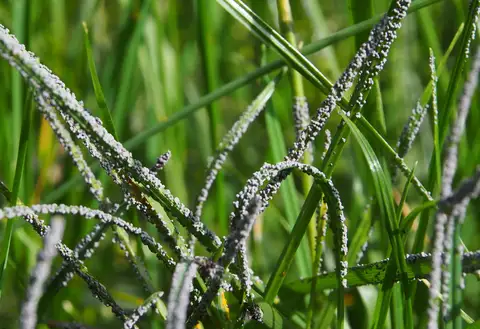
Slime Mold
A harmless, oddball fungus-like growth that shows up on grass overnight and looks worse than it is.
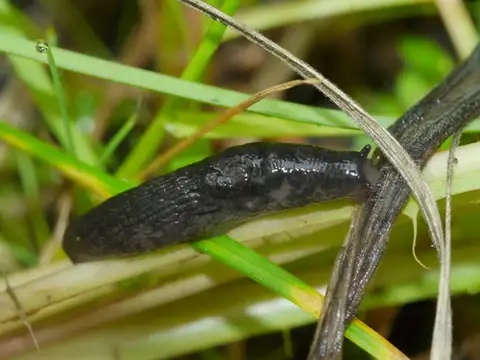
Slugs & Snails
Slimy mollusks that chew ragged holes in grass and leaves, especially in damp, shady, thatchy spots.
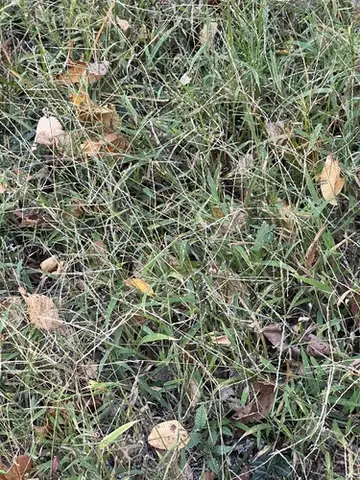
Smooth Crabgrass
A summer annual grassy weed that spreads low and thick in thin or bare lawns, crowding out your good turf.
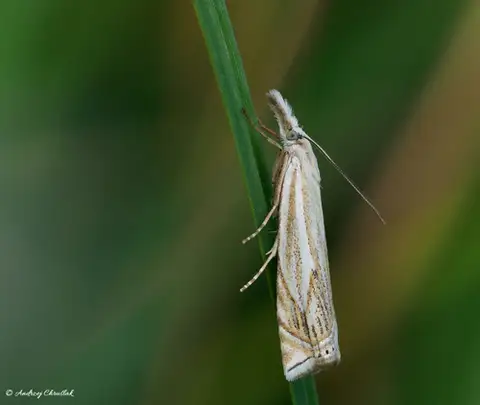
Sod Webworm
A caterpillar that chews grass blades near the soil surface, leaving ragged brown patches in the lawn.
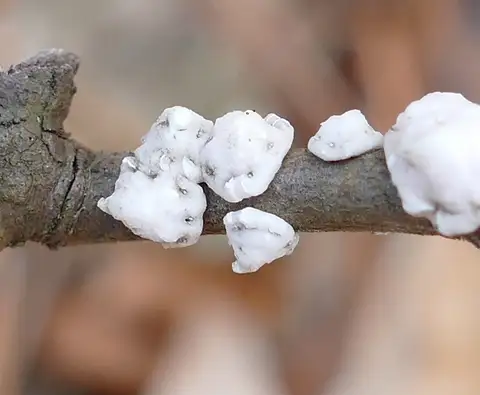
Soft Scale
A small waxy insect that feeds on woody shrubs and trees, leaving sticky honeydew and sooty mold behind.
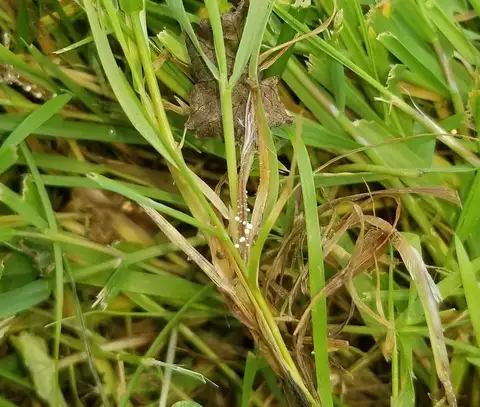
Southern Blight
A soil-borne fungal disease that kills turf in circular patches during hot, humid summer weather.
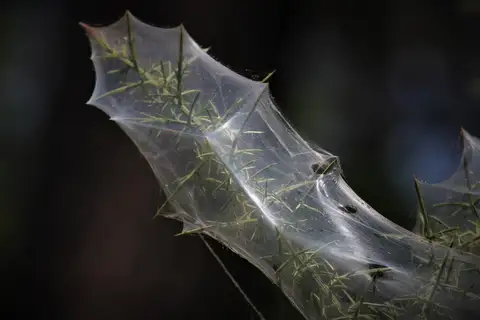
Spider Mites
Tiny sap-sucking pests that cause speckled, bronzed leaves or needles on many landscape plants.
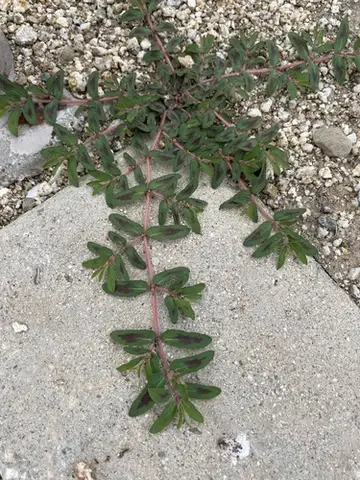
Spotted Spurge
A low-growing summer weed that moves into thin, dry, or compacted lawn areas.
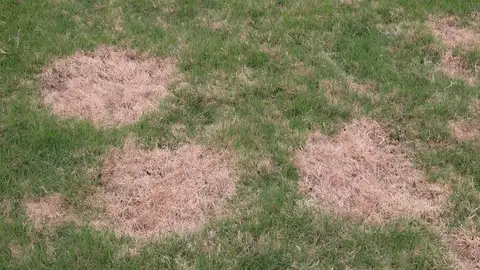
Spring Dead Spot
A fungal disease of bermuda and zoysia lawns that leaves circular dead patches which don't green up in spring.
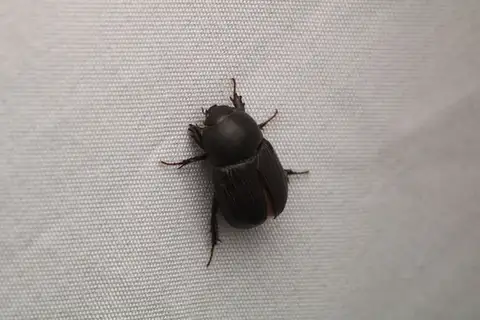
Sugarcane Beetle
A nighttime beetle that chews through turf near the crown, leaving small holes and pushed-up soil in lawns.
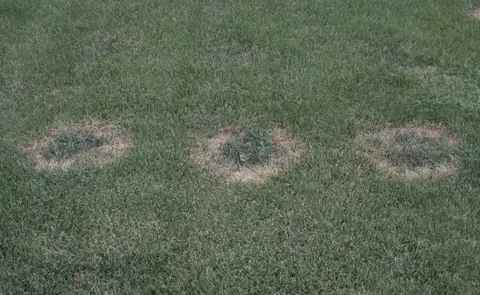
Summer Patch
A root disease of Kentucky bluegrass and fine fescue that shows up as dead patches during summer heat and drought.
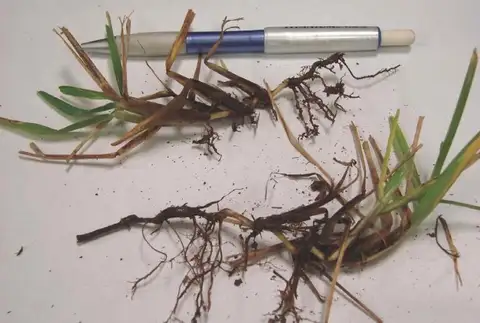
Take-All Root Rot
A soil-borne disease that attacks bermudagrass roots, causing patches of thin, weak turf that struggle to recover.
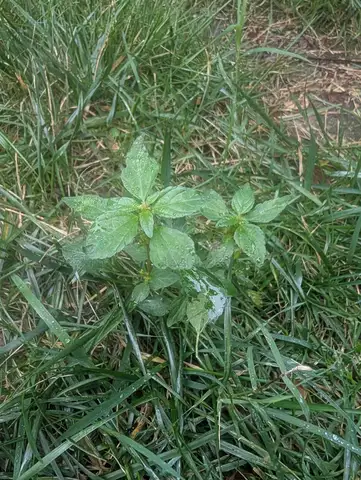
Three-seeded Mercury (Copperleaf)
An upright summer weed with toothed, diamond-shaped leaves and tiny flowers tucked in leafy cups. Common in NC lawns and beds.
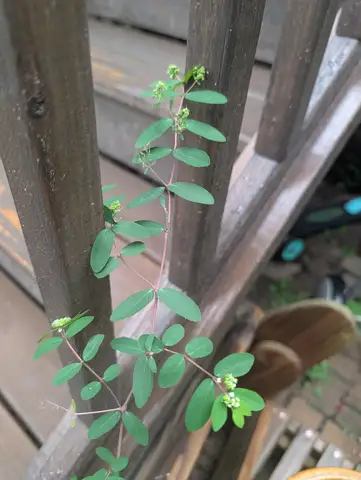
Upright Spurge (Nodding & Hyssop Spurge)
An upright summer spurge with reddish stems and milky sap that pops up in thin lawns, beds and sidewalk cracks.
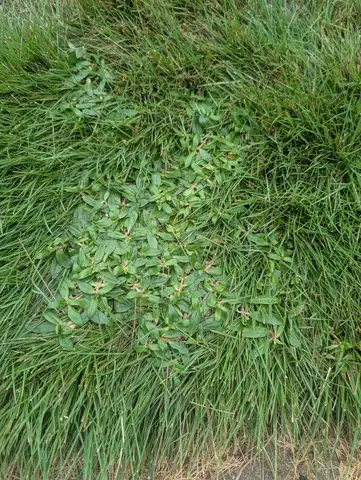
Virginia Buttonweed
A stubborn, mat-forming weed that thrives in wet, compacted lawns and is notoriously hard to kill.
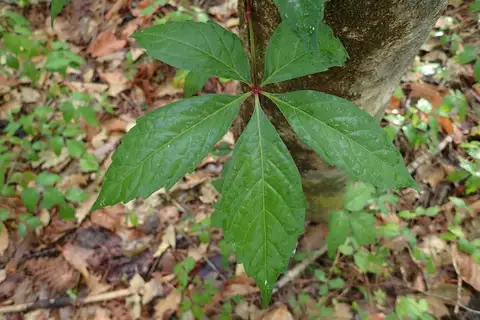
Virginia Creeper
A fast native vine with five leaflets that climbs trees, fences and houses. Often mistaken for poison ivy.
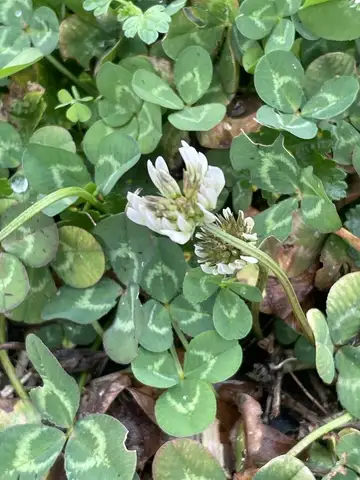
White Clover
A low-growing clover that spreads by creeping stems and thrives in lawns that aren't getting enough nitrogen.
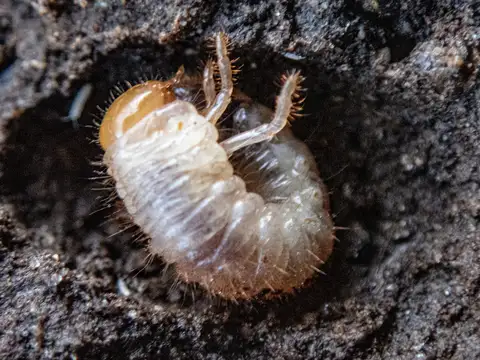
White Grub
These beetle larvae chew on grass roots, leaving dead patches and drawing digging animals into your yard.
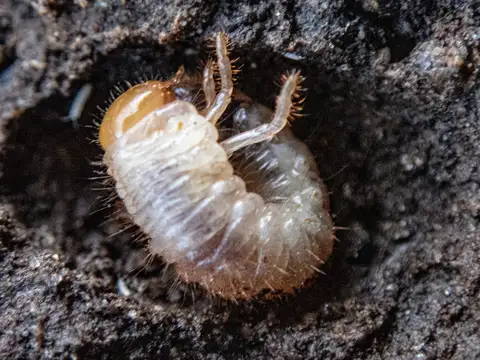
White Grub
A beetle larva that chews roots of container and bedding plants, causing wilting or collapse plant by plant.
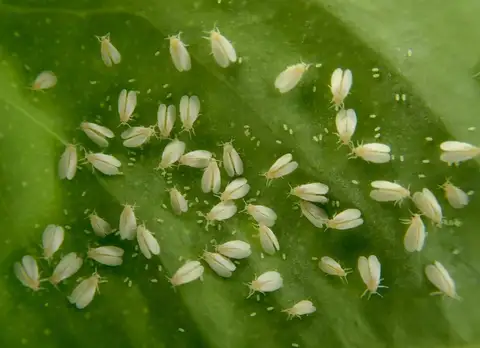
Whiteflies
Tiny white flying insects that suck sap from leaves, leaving sticky residue and weak growth on ornamentals.
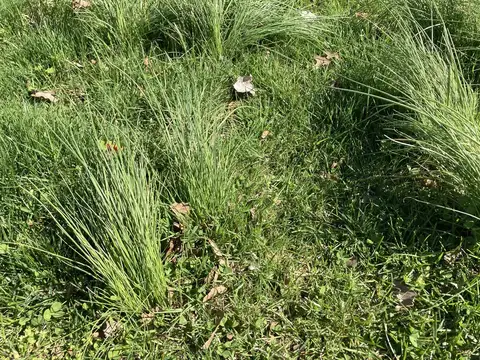
Wild Garlic
A bulb-forming weed with a strong garlic smell that pops up bright green in dormant lawns and can take years to fully clear.
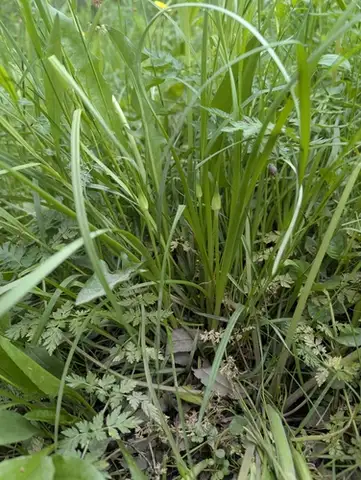
Wild Onion
A bulb weed that pops up bright green in winter lawns and smells like onion when cut.
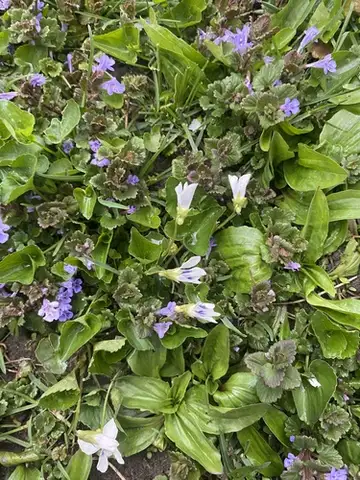
Wild Violet
A tough perennial weed with pretty purple flowers that's notoriously hard to get rid of once established in a lawn.
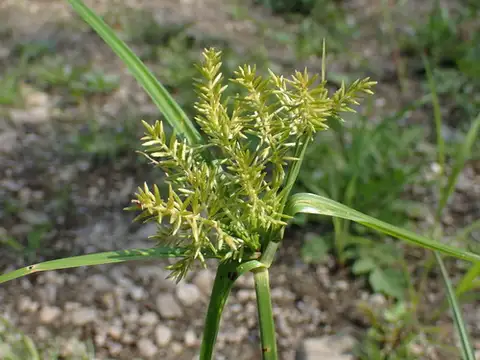
Yellow Nutsedge
A fast-growing weedy sedge that thrives in wet lawns and spreads by underground tubers.
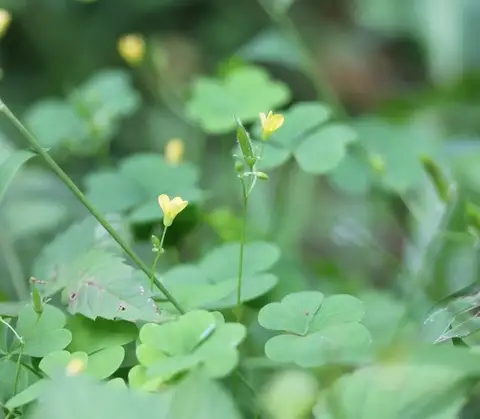
Yellow Woodsorrel (Oxalis)
A clover look-alike weed with yellow flowers that pops seed pods everywhere—hard to keep out of thin lawns.
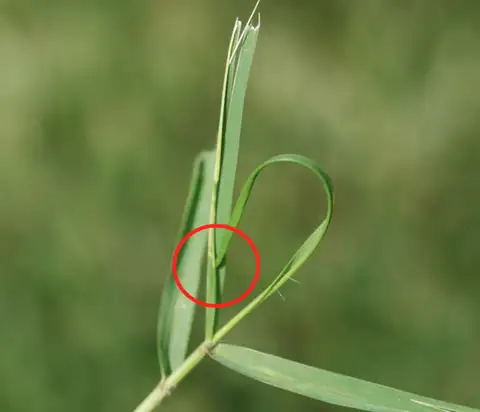
Zoysiagrass Mite
A tiny mite that stresses zoysiagrass, causing tufted, stunted growth. Mostly a cosmetic issue that worsens with drought.
Photos used under Creative Commons licenses. Photo credits
Nothing matches. Send me a photo and I’ll tell you what it is.
Can’t find it?
Snap a photo and I’ll tell you what I see. Free, no obligation.