Cutworms / Armyworms / Fall Armyworms
Night-feeding caterpillars that chew up lawns fast, sometimes overnight, and can look like sudden drought damage.
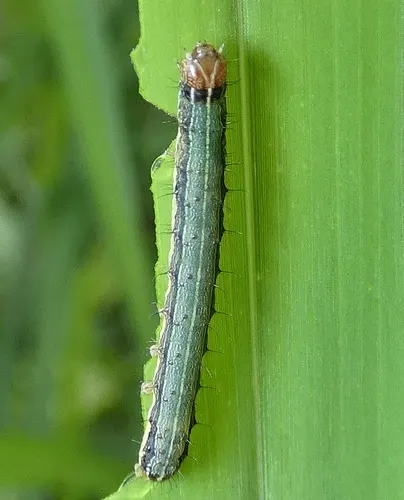
Night-feeding caterpillars that chew up lawns fast, sometimes overnight, and can look like sudden drought damage.
You'll usually see the damage before the bugs themselves, since they feed at night and hide in thatch or soil during the day. Fall armyworm damage often shows a sharp, clear line between chewed-up and healthy grass, radiating out from a central spot. Cutworms leave ragged, clipped grass blades and small round holes. If your lawn looks like it dried out overnight, check for these caterpillars before assuming it's drought.
Often mistaken for: Drought stress
Fall armyworms migrate up from the south and their egg-laying peaks in mid-summer, with multiple generations possible. Outbreaks tend to be earlier and heavier after mild winters.
Affects home lawns and other turf areas.
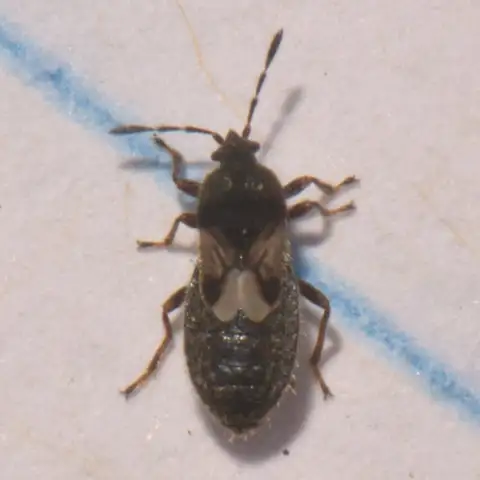
A tiny turf pest that sucks moisture from grass, leaving sunny patches wilted and discolored that won't green back up with water.
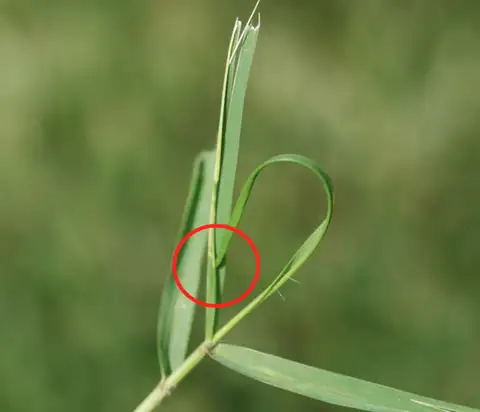
A tiny mite that stresses zoysiagrass, causing tufted, stunted growth. Mostly a cosmetic issue that worsens with drought.
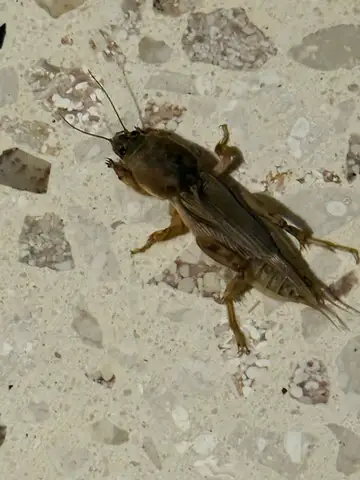
A burrowing lawn pest that tunnels through soil, damaging roots and leaving surface trails across the yard.
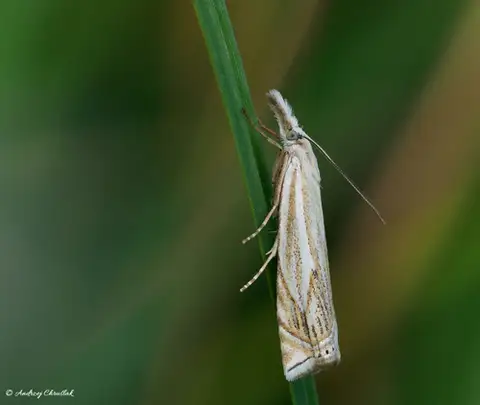
A caterpillar that chews grass blades near the soil surface, leaving ragged brown patches in the lawn.