Lawn library
Common lawn problems in Leesville
What I see most on lawns around here. Tap one to see what it looks like and what you can do.
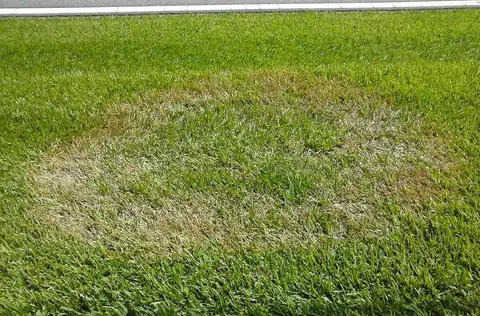
Lawn diseases
Brown Patch
A summer fungal disease that causes circular brown patches in fescue and other cool-season lawns during hot, humid weather.
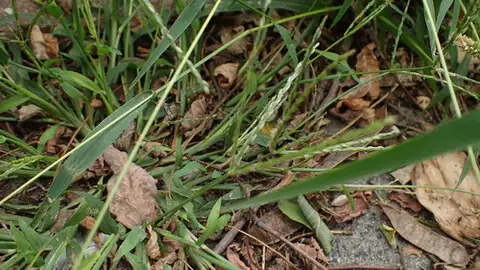
Summer weed
Large Crabgrass
A fast-spreading summer weed that forms thick mats in thin or bare lawn spots.
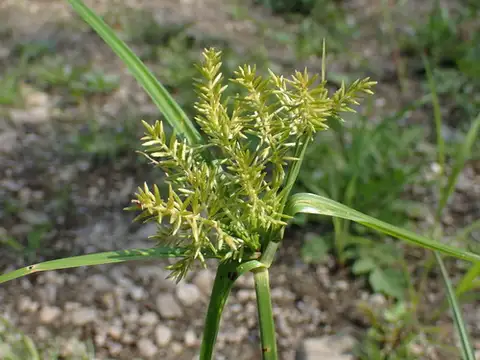
Summer weed
Yellow Nutsedge
A fast-growing weedy sedge that thrives in wet lawns and spreads by underground tubers.
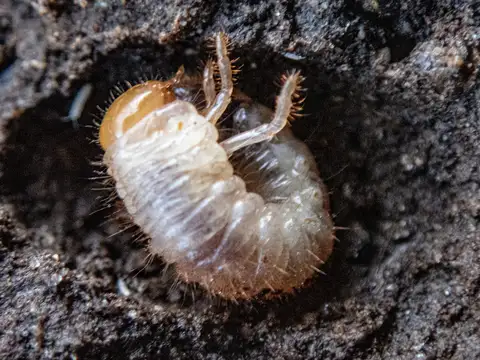
Lawn insects
White Grub
These beetle larvae chew on grass roots, leaving dead patches and drawing digging animals into your yard.
Winter & spring weed
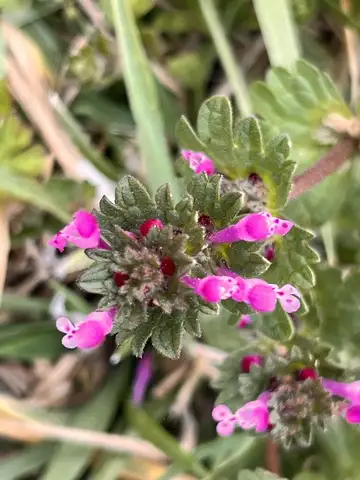
Henbit
A winter weed that pops up in thin lawns, covering them in purple flowers by late winter.
Summer weed
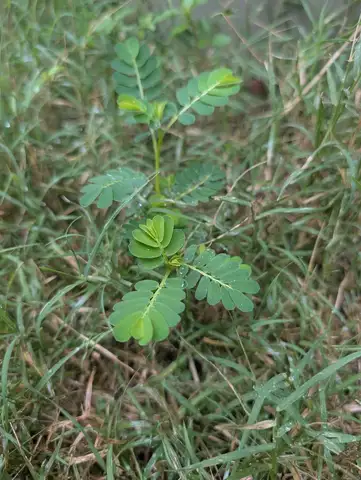
Chamberbitter
A summer weed that looks like a tiny mimosa tree, with rows of bead-like seeds under its leaves. Common in NC lawns and beds.