White Grub
These beetle larvae chew on grass roots, leaving dead patches and drawing digging animals into your yard.
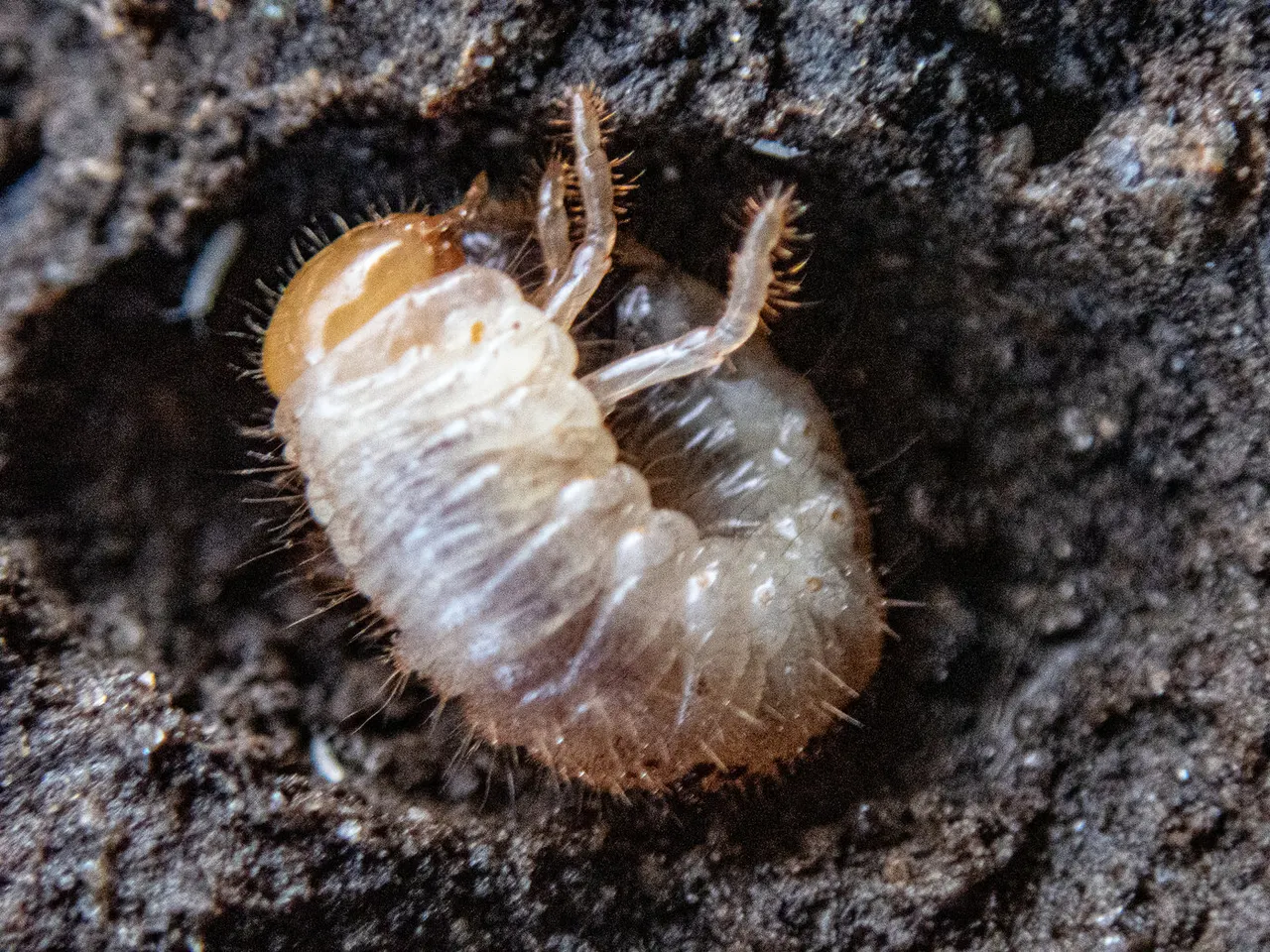
These beetle larvae chew on grass roots, leaving dead patches and drawing digging animals into your yard.
Curled, C-shaped grubs with cream-colored bodies and yellow-brown heads, ranging from about 1/4 inch to 1.5 inches depending on age. You'll see wilting or dead patches of turf, and often signs of animals digging in the lawn hunting for a meal.
Often mistaken for: Other soil-dwelling larvae; damage can resemble drought stress or other root problems
Adults lay eggs in summer. The young, most vulnerable grubs feed from August through October, then a second round of larger grubs feeds again in April and early May.
Home lawns and other turf areas.
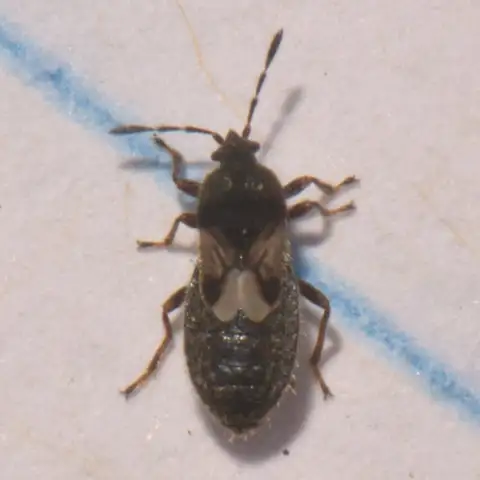
A tiny turf pest that sucks moisture from grass, leaving sunny patches wilted and discolored that won't green back up with water.
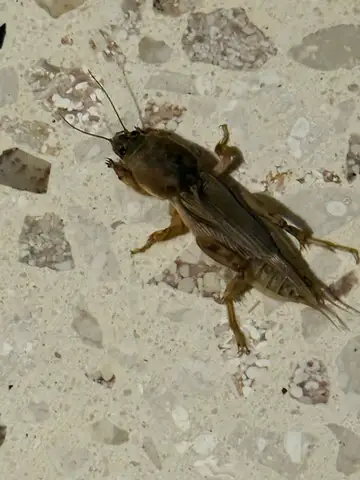
A burrowing lawn pest that tunnels through soil, damaging roots and leaving surface trails across the yard.
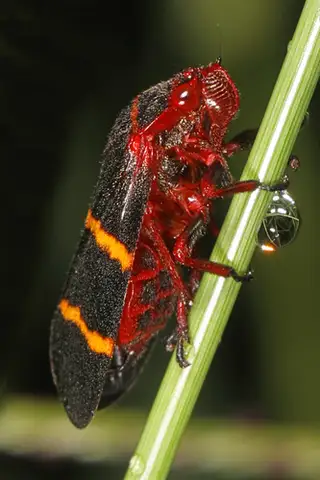
Small sap-sucking bugs that can leave grass looking pale and stippled, with spittlebugs making odd white foam in the lawn.
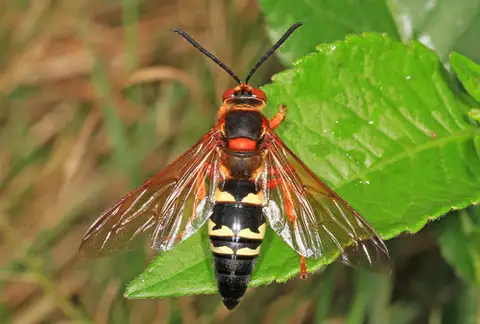
Bees or wasps that dig burrows in thin, bare patches of lawn—some are helpful pollinators, others can be aggressive.