Lawn library
Common lawn problems in North Raleigh
What I see most on lawns around here. Tap one to see what it looks like and what you can do.
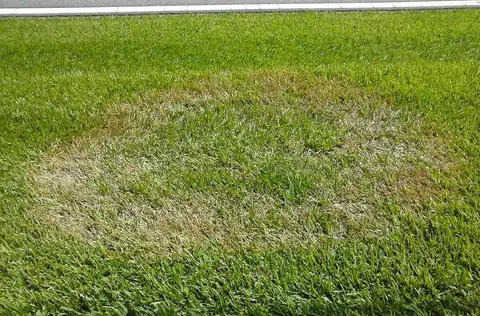
Lawn diseases
Brown Patch
A summer fungal disease that causes circular brown patches in fescue and other cool-season lawns during hot, humid weather.
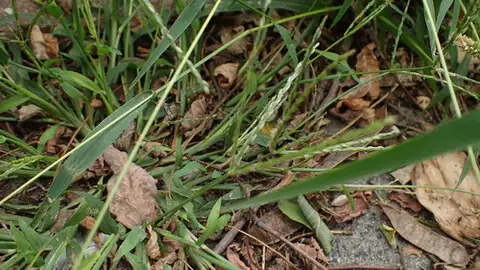
Summer weed
Large Crabgrass
A fast-spreading summer weed that forms thick mats in thin or bare lawn spots.
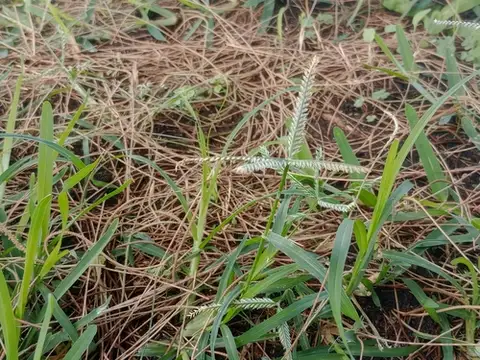
Summer weed
Goosegrass
A tough summer grassy weed that thrives in compacted, worn-down lawns and spreads fast in high-traffic areas.
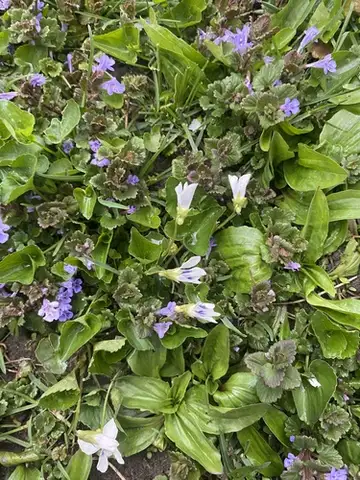
Winter & spring weed
Wild Violet
A tough perennial weed with pretty purple flowers that's notoriously hard to get rid of once established in a lawn.
Summer weed
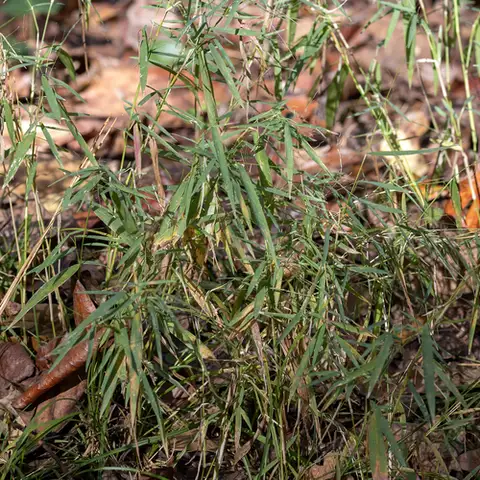
Nimblewill
A creeping perennial grass that invades lawns and stands out when it turns brown while your turf stays green.
Lawn diseases
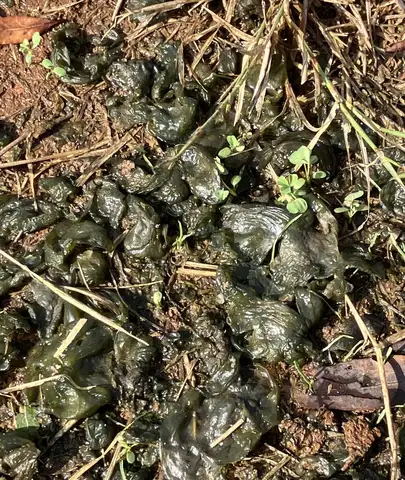
Algae
A slimy dark scum that grows on bare, wet, shady soil where grass is thin—more of a symptom than a disease itself.