Stop grubs and turf insects before they thin your lawn.
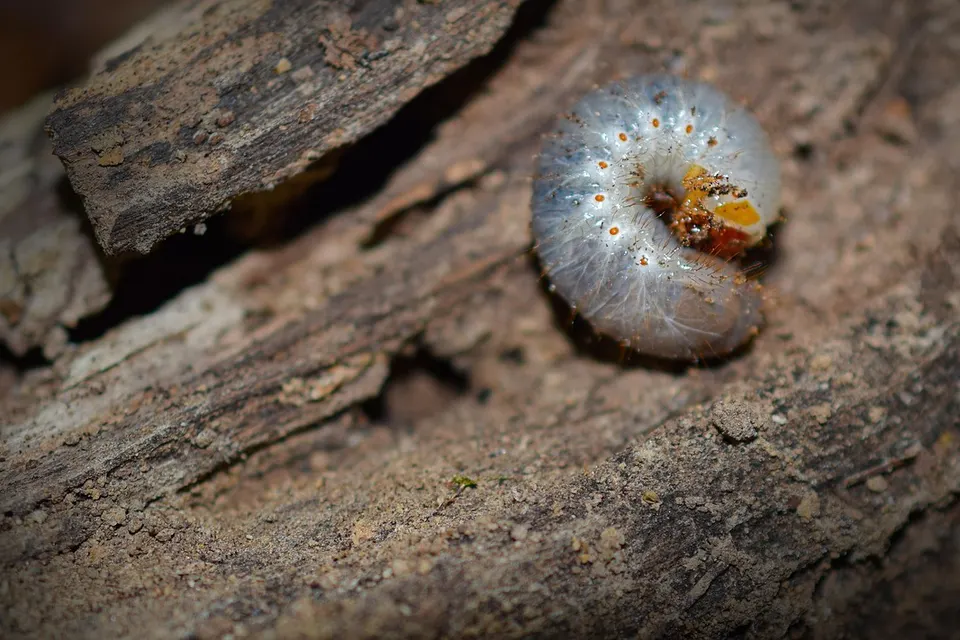
A lot of “dead” summer lawn isn’t drought. It’s insects feeding on the roots and blades. Grubs, chinch bugs and armyworms can thin a healthy lawn fast, and the damage usually looks like something else until it’s widespread.
I treat both ways: a preventive application that stops the damage before it starts, and a curative treatment when there’s an active problem. Both are timed to each pest’s actual life cycle here.
I treat lawns in North Raleigh, Leesville, Brier Creek and Southeast Durham.
A preventive treatment in early summer, ahead of the grubs, plus curative control from late summer into fall while they feed near the surface, which is when treatment actually works.
Control for chinch bugs (they peak in early July here), sod webworms, billbugs and other insects that feed on the blades and crowns.
Fall armyworms move in fast and can strip a lawn in days. Catching them while the caterpillars are still small is the difference between one treatment and a re-sod.
Optional treatment for fire ant mounds and nuisance ants in the turf.
Tap any of these to see what it looks like, when it shows up here, and what you can do.
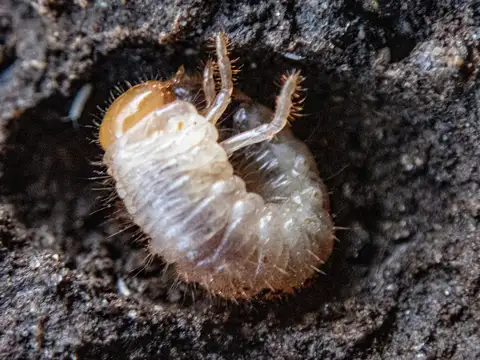
These beetle larvae chew on grass roots, leaving dead patches and drawing digging animals into your yard.
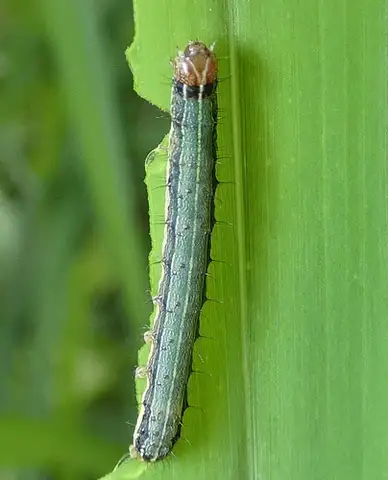
Night-feeding caterpillars that chew up lawns fast, sometimes overnight, and can look like sudden drought damage.
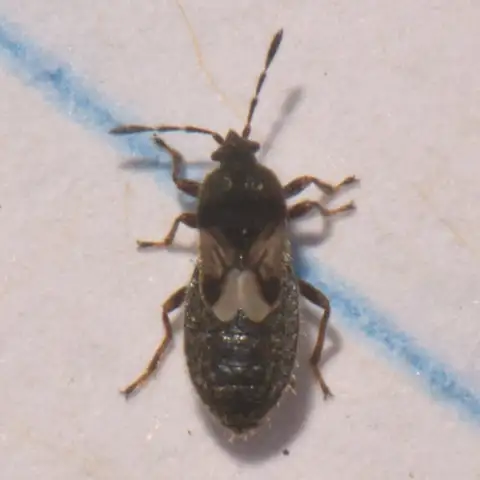
A tiny turf pest that sucks moisture from grass, leaving sunny patches wilted and discolored that won't green back up with water.
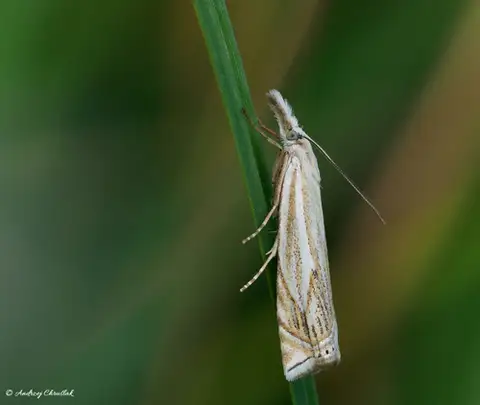
A caterpillar that chews grass blades near the soil surface, leaving ragged brown patches in the lawn.
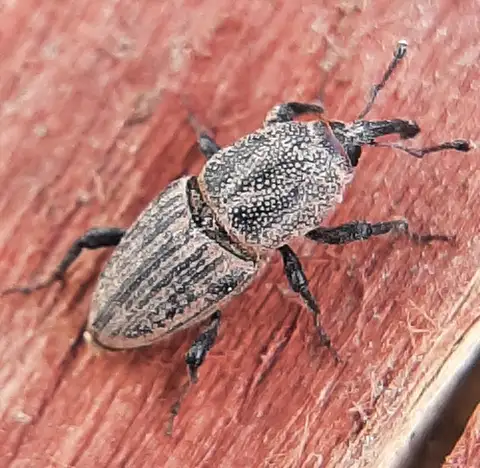
A turf pest whose larvae tunnel into grass stems and roots, leaving dead patches that look like drought or grub damage.
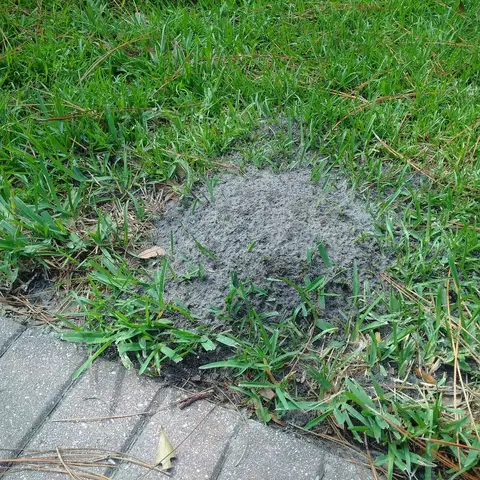
Fire ants build mounds in lawns and sting aggressively when disturbed — a real concern for kids and pets outside.
Catching turf insects early is the difference between a few spots and re-sodding half the yard. A protected lawn stays thick and even through the summer, when grub and insect damage does the most harm.
Here’s what happens after you ask for an estimate.
Posted prices, no contracts, and the same person on your lawn every visit.