Ants (including Fire Ants)
Fire ants build mounds in lawns and sting aggressively when disturbed — a real concern for kids and pets outside.
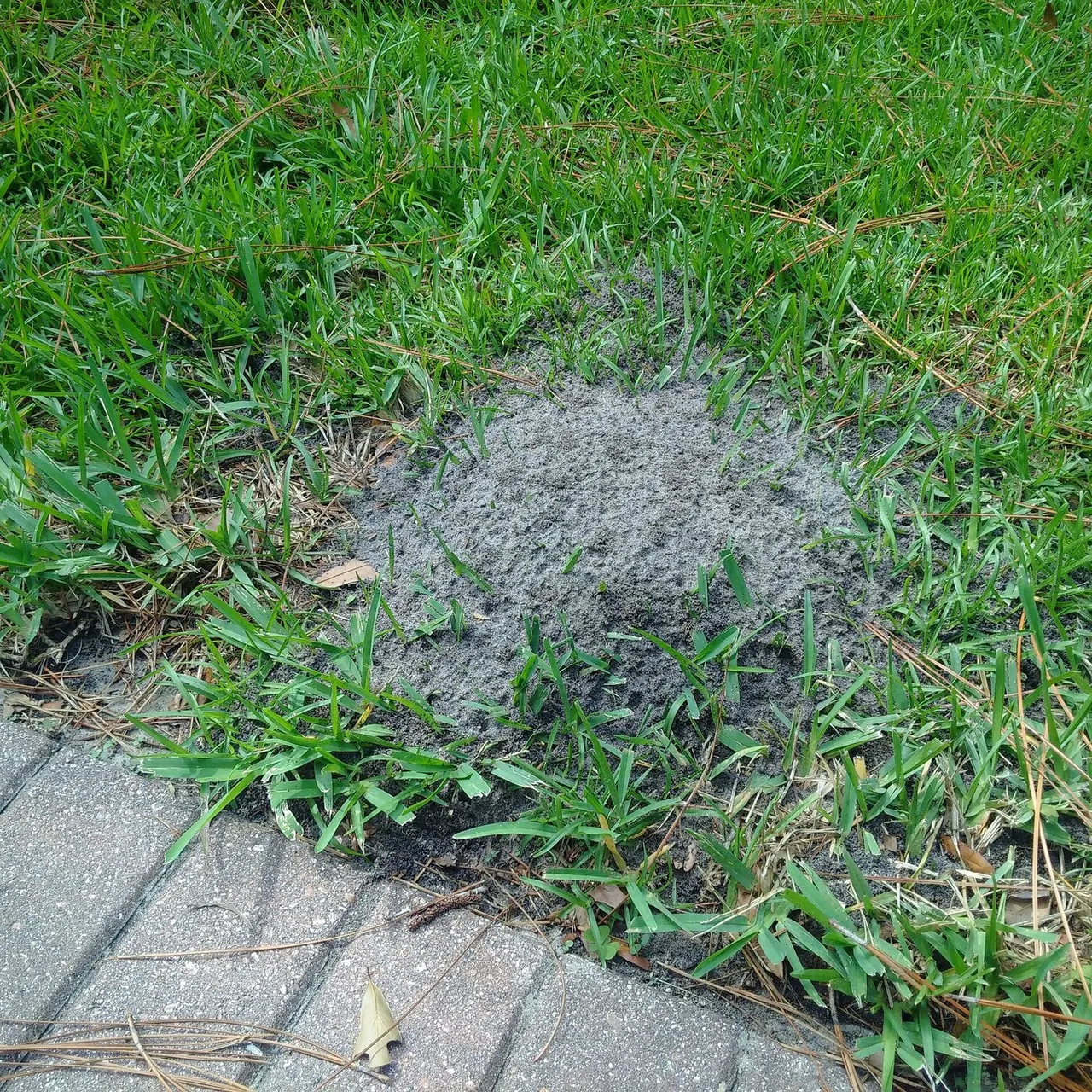
Fire ants build mounds in lawns and sting aggressively when disturbed — a real concern for kids and pets outside.
Mounds of loose, fluffy soil, often dome-shaped, show up in the lawn and get more noticeable after rain. Fire ants react fast and aggressively with painful stings if the mound is disturbed, which is the easiest way to tell them apart from other, more harmless ants in the yard.
Often mistaken for: Other nuisance ant species (tell by the aggressive sting response)
Mounds are most active in spring and fall when temperatures are mild, and that's also when you'll see winged ants flying to start new colonies.
Shows up in home lawns.
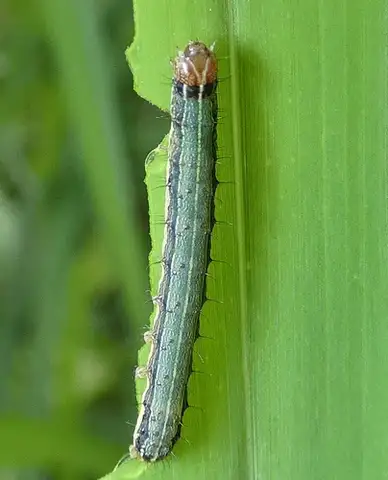
Night-feeding caterpillars that chew up lawns fast, sometimes overnight, and can look like sudden drought damage.
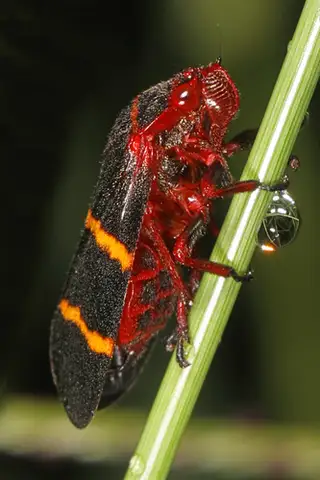
Small sap-sucking bugs that can leave grass looking pale and stippled, with spittlebugs making odd white foam in the lawn.
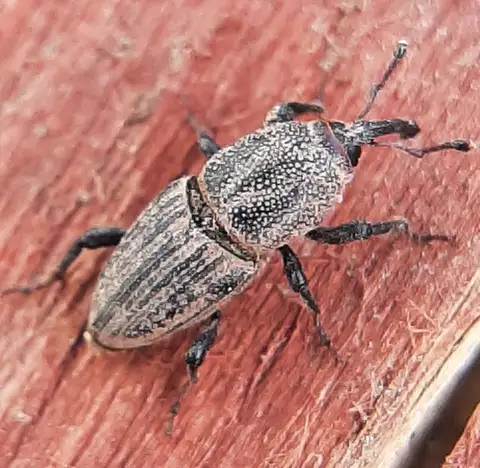
A turf pest whose larvae tunnel into grass stems and roots, leaving dead patches that look like drought or grub damage.
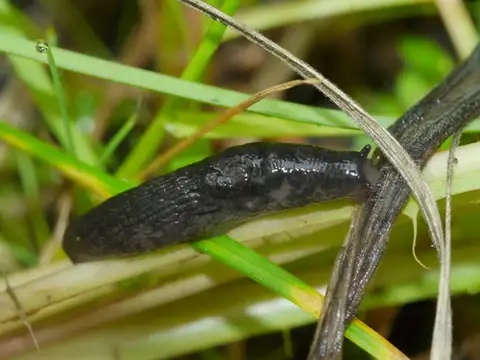
Slimy mollusks that chew ragged holes in grass and leaves, especially in damp, shady, thatchy spots.