Leafhopper / Spittlebug
Small sap-sucking bugs that can leave grass looking pale and stippled, with spittlebugs making odd white foam in the lawn.
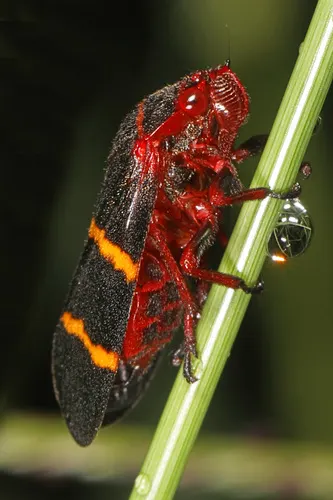
Small sap-sucking bugs that can leave grass looking pale and stippled, with spittlebugs making odd white foam in the lawn.
Leafhopper damage shows up as light, whitish speckling on grass blades from their feeding. Spittlebugs are easier to spot — look for small blobs of white, frothy 'spit' sitting right at the base of the grass or down in the thatch. That foam is a dead giveaway; nothing else in the lawn makes it.
Often mistaken for: General drought stress or other sap-feeding insect damage (without the spittle, leafhopper injury can look like ordinary heat/drought stippling)
Spittlebugs are most active from late spring through summer, especially in humid, thatchy lawns. Leafhoppers can be around anytime from spring through fall.
Shows up in home lawns, especially thicker, thatchy turf like centipede grass.
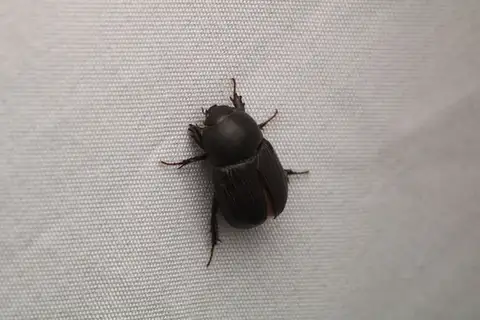
A nighttime beetle that chews through turf near the crown, leaving small holes and pushed-up soil in lawns.
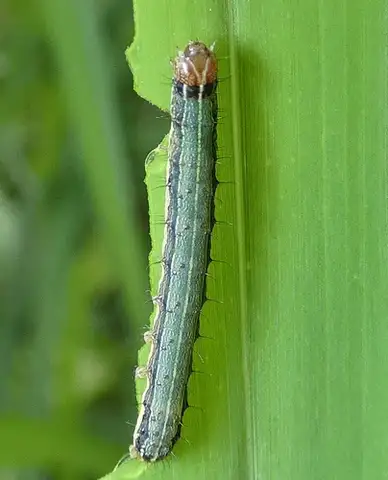
Night-feeding caterpillars that chew up lawns fast, sometimes overnight, and can look like sudden drought damage.
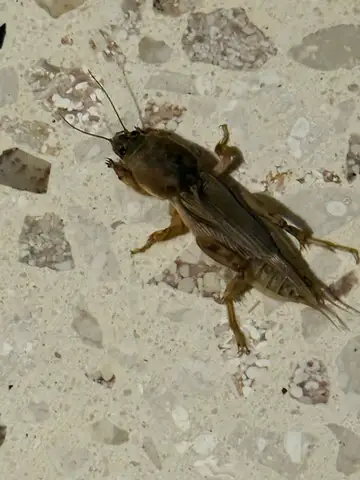
A burrowing lawn pest that tunnels through soil, damaging roots and leaving surface trails across the yard.
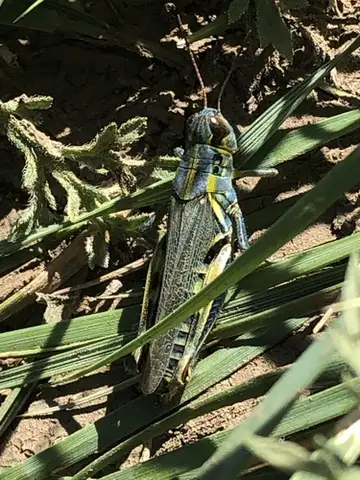
Grasshoppers can chew up lawn edges near fields or unmowed areas, especially during hot, dry summers.