Grasshopper
Grasshoppers can chew up lawn edges near fields or unmowed areas, especially during hot, dry summers.
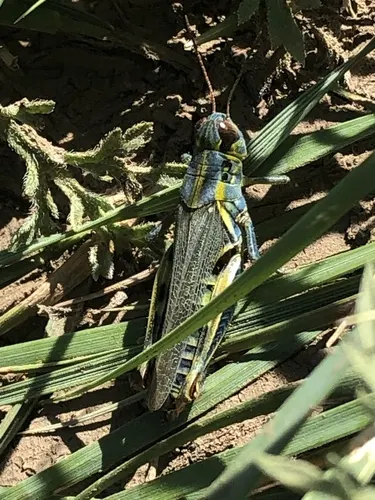
Grasshoppers can chew up lawn edges near fields or unmowed areas, especially during hot, dry summers.
You'll see ragged, chewed-up grass blades rather than a specific pattern. It's usually worst along the edges of the lawn closest to open fields or overgrown areas. In bad drought years with big grasshopper numbers, they can eat turf down to the crown.
Often mistaken for: General drought stress or other chewing insect damage
Shows up during hot, dry stretches of summer, and gets worse in drought years.
Home lawns and larger turf areas, especially edges bordering fields or unmowed lots where grasshoppers are breeding.
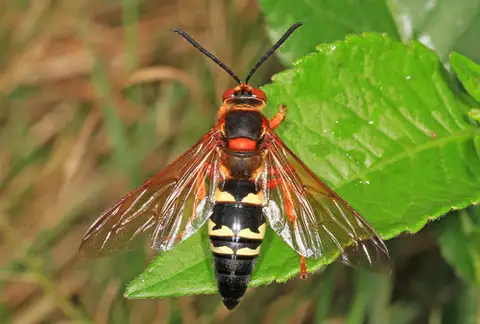
Bees or wasps that dig burrows in thin, bare patches of lawn—some are helpful pollinators, others can be aggressive.
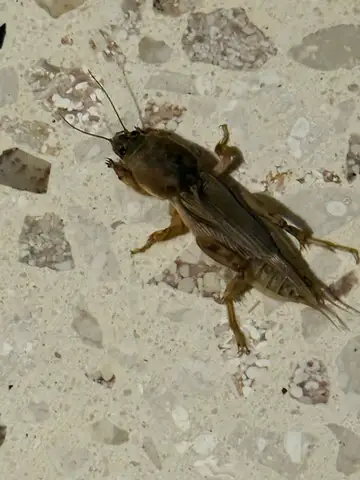
A burrowing lawn pest that tunnels through soil, damaging roots and leaving surface trails across the yard.
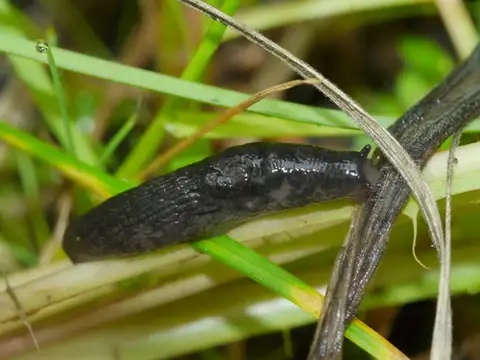
Slimy mollusks that chew ragged holes in grass and leaves, especially in damp, shady, thatchy spots.
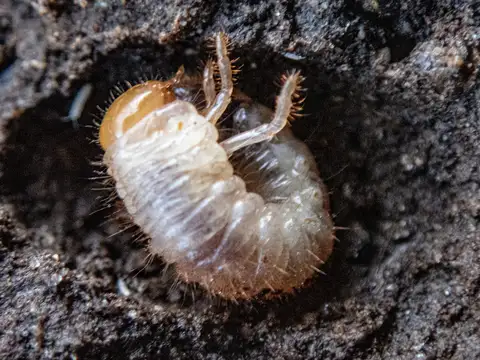
These beetle larvae chew on grass roots, leaving dead patches and drawing digging animals into your yard.