Owner-operated lawn fertilization and weed control, minutes from Brier Creek.
Brier Creek lawns have a specific story: newer construction on heavily graded, builder-compacted clay. The topsoil that should be there often isn’t, so grass roots fight for every inch — and that shows up as thin turf and summer stress no amount of water fixes.
The fix is mechanical and nutritional together: core aeration to open the soil up, the right feeding schedule for whichever grass you have (both bermuda and fescue are common here), and weed control that keeps the open spots from filling with crabgrass while the turf thickens.
The Complete program for tall fescue: 8 visits from February to November, heaviest in spring and fall. Bermuda and zoysia lawns run April through November instead. The day before each visit you get a reminder; afterward, a short report on what was applied.
What I see most on lawns around here. Tap one to see what it looks like and what you can do.
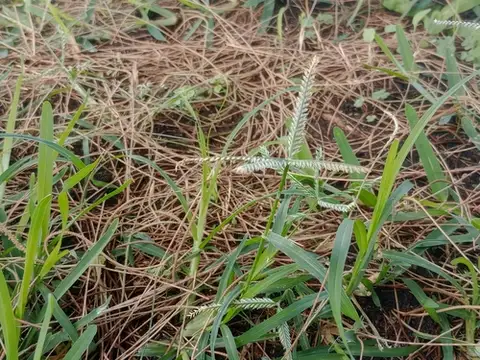
A tough summer grassy weed that thrives in compacted, worn-down lawns and spreads fast in high-traffic areas.
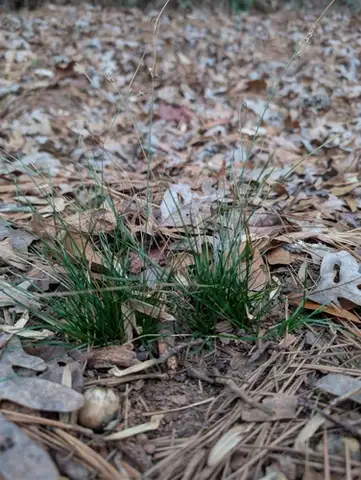
A tough, grass-like perennial that pops up in compacted soil, especially along paths and high-traffic spots.
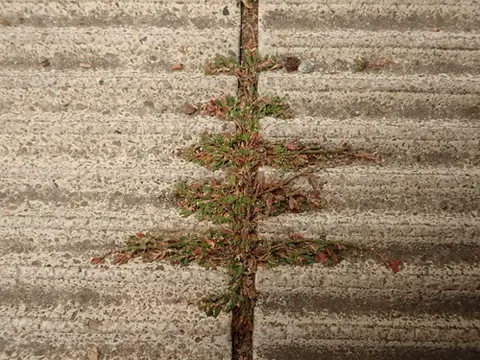
A wiry, mat-forming weed that thrives in compacted soil, often along walkways and thin turf areas.
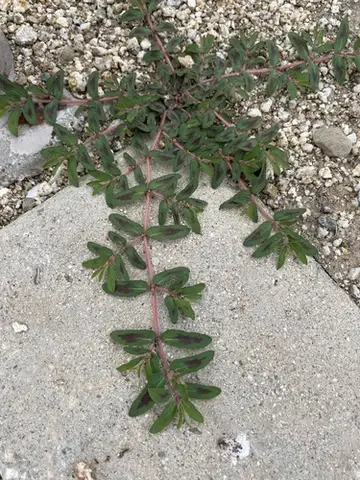
A low-growing summer weed that moves into thin, dry, or compacted lawn areas.
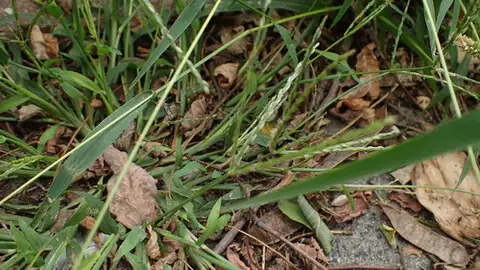
A fast-spreading summer weed that forms thick mats in thin or bare lawn spots.
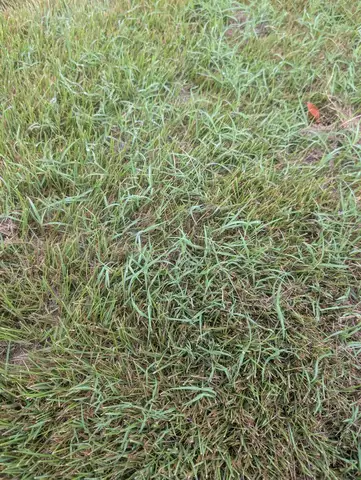
A warm-season grass that creeps into fescue, bluegrass, and ryegrass lawns and is tough to get rid of.
Season-long feeding, built for your grass type.
Learn more →Stop weeds before they start — and knock out the ones that break through.
Learn more →Beat the fungus that thrives in Carolina heat and humidity.
Learn more →The single best thing most fescue lawns can get.
Learn more →