Goosegrass
Eleusine indica
A tough summer grassy weed that thrives in compacted, worn-down lawns and spreads fast in high-traffic areas.
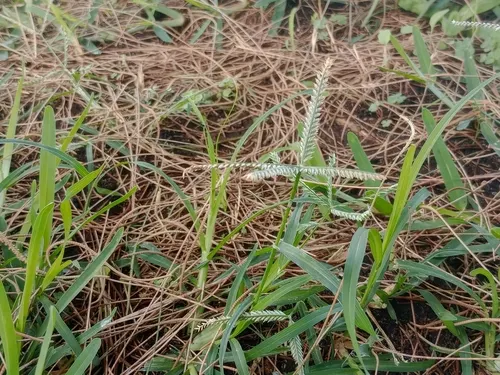
A tough summer grassy weed that thrives in compacted, worn-down lawns and spreads fast in high-traffic areas.
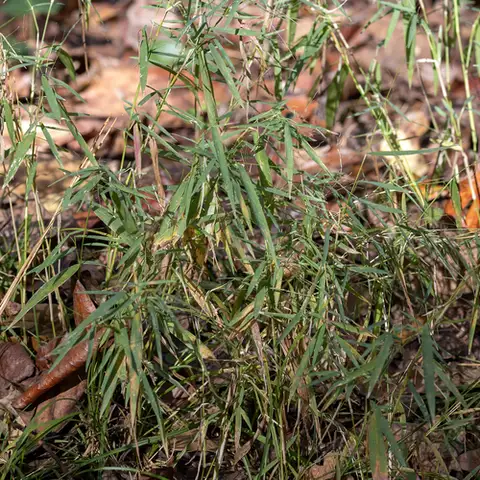
It grows in a low, flattened clump with a white or silvery crown right at the base, kind of like a wagon wheel. The stems are flat and it sends up thin seed spikes from the top. Unlike crabgrass, it doesn't root down at the stem joints.
Often mistaken for: Crabgrass
Shows up a couple weeks after crabgrass once soil warms up in late spring, and keeps growing and spreading through the summer into August.
Found in thin, compacted, close-mowed lawns, especially areas with heavy foot traffic like paths, gates, and driveway edges.
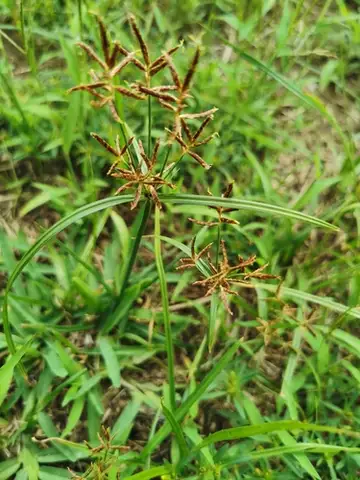
A tough perennial sedge that pops up in wet lawns and spreads by chained tubers underground.
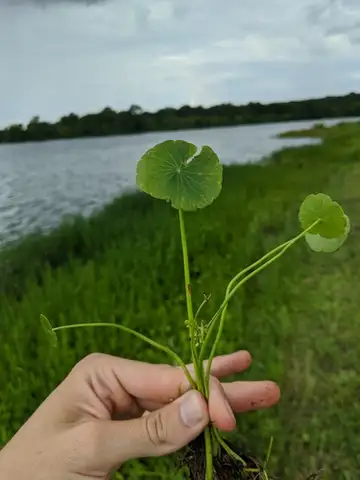
A shiny, round-leafed weed that thrives in soggy soil and often signals overwatering or poor drainage.
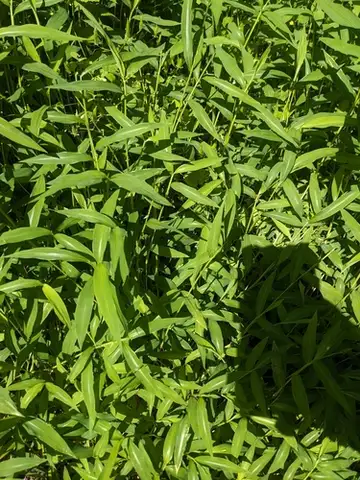
An invasive summer grassy weed that spreads fast in shady, moist spots and takes over lawn edges and beds.
A creeping perennial grass that invades lawns and stands out when it turns brown while your turf stays green.