Lawn library
Common lawn problems in Southeast Durham
What I see most on lawns around here. Tap one to see what it looks like and what you can do.
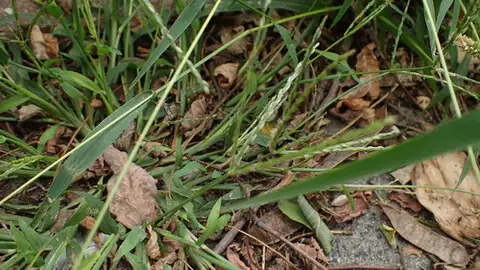
Summer weed
Large Crabgrass
A fast-spreading summer weed that forms thick mats in thin or bare lawn spots.
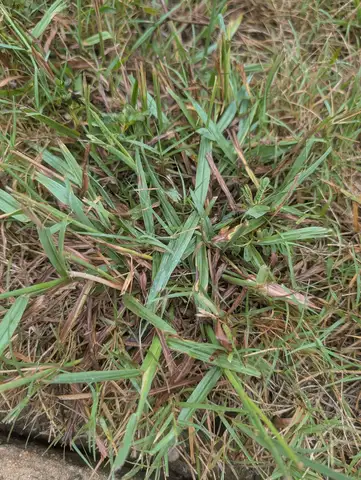
Summer weed
Dallisgrass
A coarse, clumping perennial grass weed that stands out from your turf and spreads by seed if left alone.
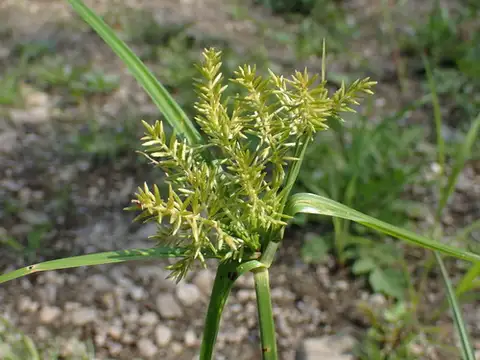
Summer weed
Yellow Nutsedge
A fast-growing weedy sedge that thrives in wet lawns and spreads by underground tubers.
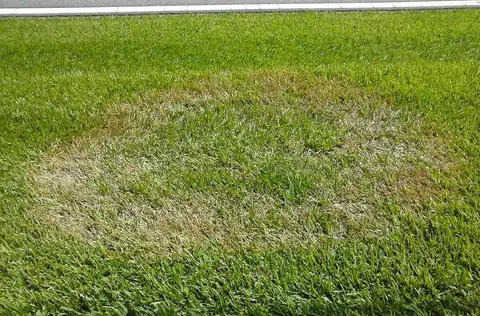
Lawn diseases
Brown Patch
A summer fungal disease that causes circular brown patches in fescue and other cool-season lawns during hot, humid weather.
Summer weed
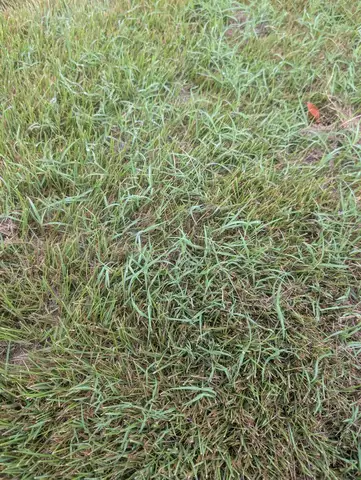
Bermudagrass
A warm-season grass that creeps into fescue, bluegrass, and ryegrass lawns and is tough to get rid of.
Summer weed
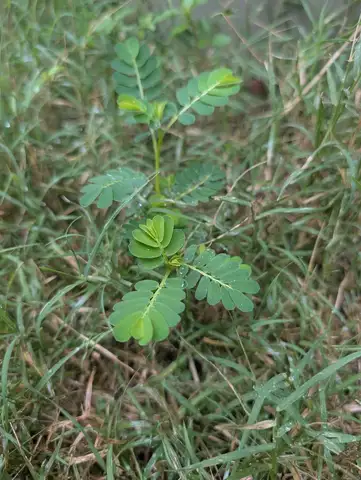
Chamberbitter
A summer weed that looks like a tiny mimosa tree, with rows of bead-like seeds under its leaves. Common in NC lawns and beds.