Chinch Bug
A tiny turf pest that sucks moisture from grass, leaving sunny patches wilted and discolored that won't green back up with water.
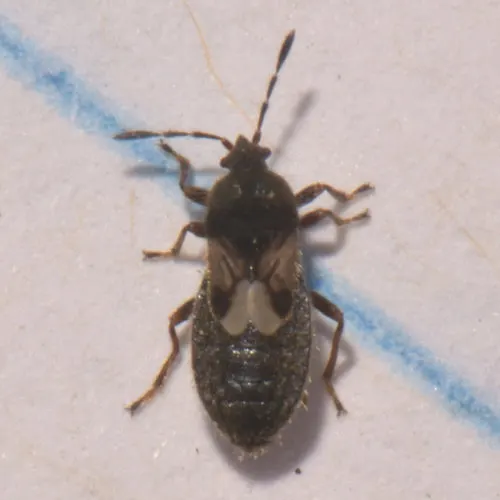
A tiny turf pest that sucks moisture from grass, leaving sunny patches wilted and discolored that won't green back up with water.
Adults are small (under a quarter inch), black with white wings marked by a triangular black spot. Young nymphs are orange with a white band. Damage shows up as wilting and yellow-to-brown patches in thick, sunny turf. Unlike drought stress, watering the damaged area won't help it recover.
Often mistaken for: Drought stress
Active pretty much year-round here with only occasional winter slowdowns, but numbers really build up and peak around early July, with many overlapping generations through the warm months.
Home lawns, especially St. Augustine and centipede grass.
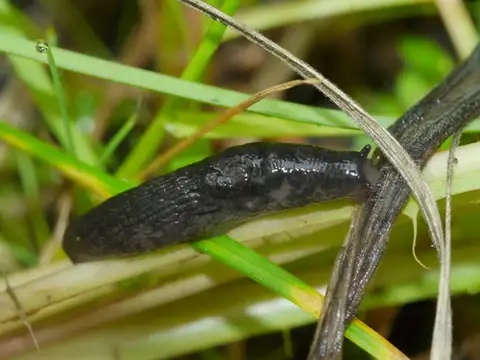
Slimy mollusks that chew ragged holes in grass and leaves, especially in damp, shady, thatchy spots.
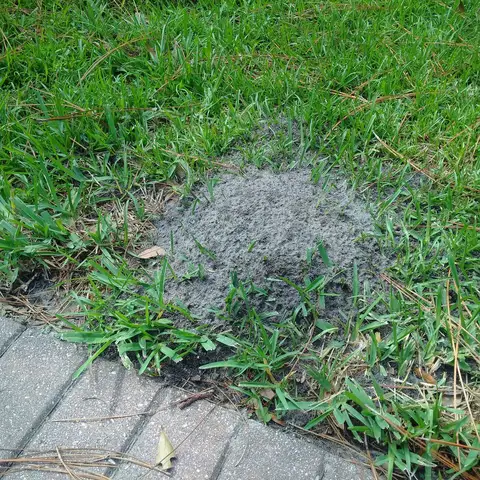
Fire ants build mounds in lawns and sting aggressively when disturbed — a real concern for kids and pets outside.
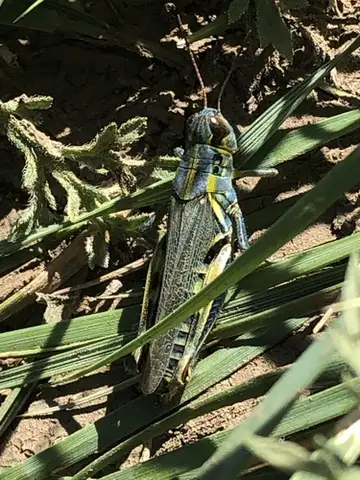
Grasshoppers can chew up lawn edges near fields or unmowed areas, especially during hot, dry summers.
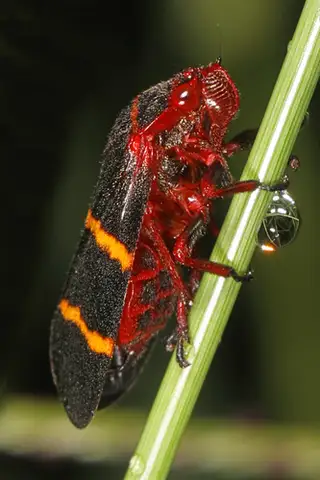
Small sap-sucking bugs that can leave grass looking pale and stippled, with spittlebugs making odd white foam in the lawn.