Feeding and weed control in one program, built for your grass: tall fescue, bermuda or zoysia.
A good lawn program isn’t one bag of fertilizer and a weed spray. It’s 6 to 8 timed visits a year that feed the grass and keep the weeds out, matched to your grass type and to the Triangle’s transition-zone climate.
Most Raleigh yards are tall fescue, and plenty have bermuda or zoysia, sometimes both in the same yard. Cool- and warm-season grasses grow at opposite times of year, so each gets its own calendar: fescue is fed hardest in fall and early spring, bermuda and zoysia through the summer. One plan covers your whole yard.
Pre-emergents and feedings are timed to soil temperature, not the calendar: crabgrass starts at a steady 55°F in spring, winter weeds sprout as the soil drops under 70°F in fall, and feedings need enough water to reach the roots. Raleigh watering & soil temperatures this week →
Tall fescue, bermuda and zoysia each get their own schedule. Fescue out front and bermuda out back? Each part of the yard gets the treatments it needs, on its own timing.
Slow-release fertilizer at the right rate for your lawn’s size, timed to when your grass is actually growing. Fescue gets an organic-based blend that’s about 40% organic matter; bermuda and zoysia finish the year with a potassium winterizer instead of late nitrogen.
Timed to soil temperature: the spring barrier goes down before crabgrass sprouts, and a fall barrier stops the winter weeds, like annual bluegrass, henbit and chickweed, that sprout in autumn.
Clover, dandelion, spurge, nutsedge and the rest get the right product for the weed and your grass, so the turf around them stays healthy. Breakthrough weeds are treated at your next visit, no charge.
Complete and Premium add iron for deep color and a soil biostimulant for stronger roots and better heat and drought tolerance.
Product goes edge to edge on the grass and stays off your driveway, walks and beds. Anything that lands on a hard surface gets blown back onto the lawn.
Programs from $35/month. Drag the slider to see the price for your lawn size →
Tap any of these to see what it looks like, when it shows up here, and what you can do.
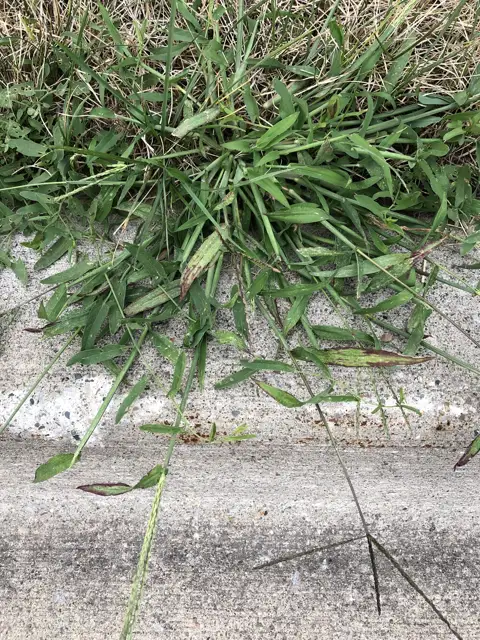
A fast-spreading summer weed that forms thick mats in thin or bare lawn spots.
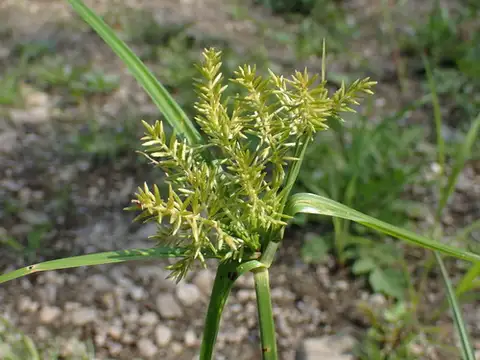
A fast-growing weedy sedge that thrives in wet lawns and spreads by underground tubers.
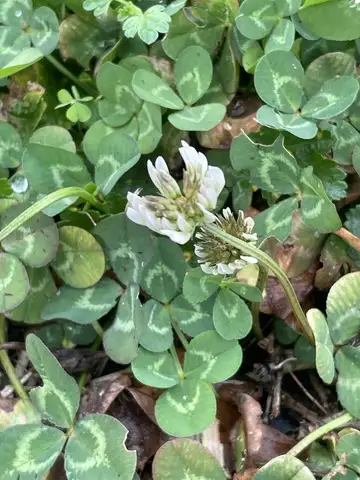
A low-growing clover that spreads by creeping stems and thrives in lawns that aren't getting enough nitrogen.
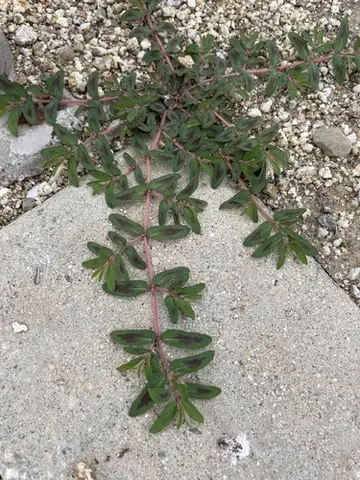
A low-growing summer weed that moves into thin, dry, or compacted lawn areas.
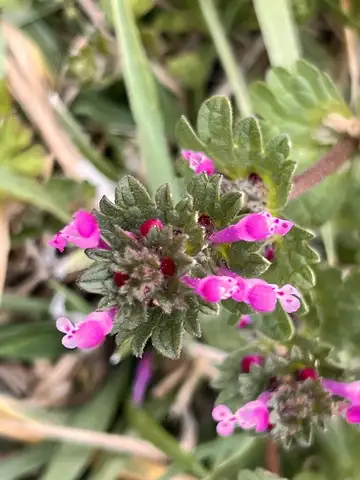
A winter weed that pops up in thin lawns, covering them in purple flowers by late winter.
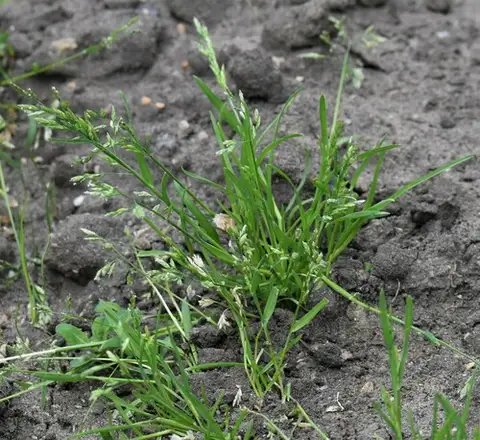
A cool-season weed grass that pops up bright green in winter lawns, then dies off and leaves bare patches by summer.
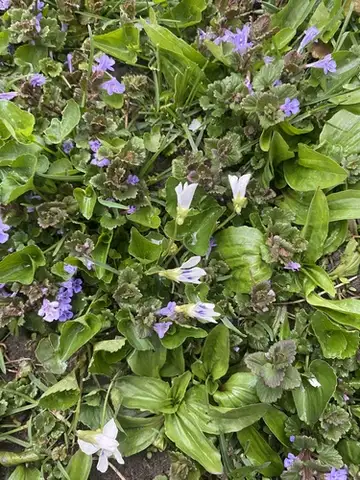
A tough perennial weed with pretty purple flowers that's notoriously hard to get rid of once established in a lawn.
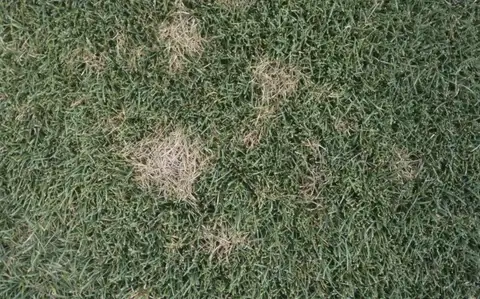
A common lawn disease that leaves small bleached-out spots, most noticeable on closely mowed grass.
A well-fed lawn grows thick enough to crowd out weeds on its own, and a weed-free lawn leaves more water and nutrients for the grass. That’s why feeding and weed control belong in one program: every visit does both jobs, and the lawn gets easier to keep clean each season.
Here’s what happens after you ask for an estimate.
Posted prices, no contracts, and the same person on your lawn every visit.