Sod Webworm
A caterpillar that chews grass blades near the soil surface, leaving ragged brown patches in the lawn.
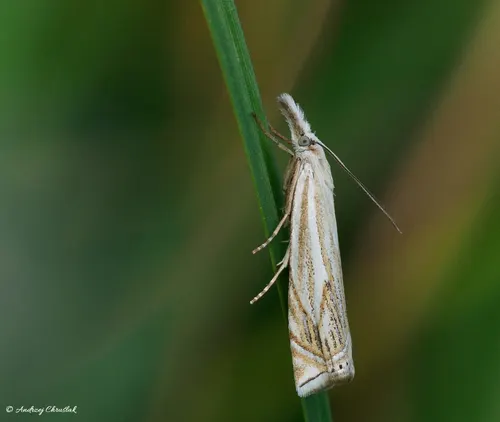
A caterpillar that chews grass blades near the soil surface, leaving ragged brown patches in the lawn.
Grass blades look clipped just above the thatch layer, with small ragged brown patches that can grow together into bigger dead areas under heavy pressure. The caterpillars feed at night, so you often won't see them during the day. A soapy-water flush at dusk or after dark is the best way to confirm they're there.
Often mistaken for: Other lawn caterpillar or grub damage, or drought stress
Adults are active from May through October, with the worst damage usually showing up in July and August. There can be two to three generations in a single season, and it only takes about six weeks for eggs to become adults.
Home lawns and commercial turf.
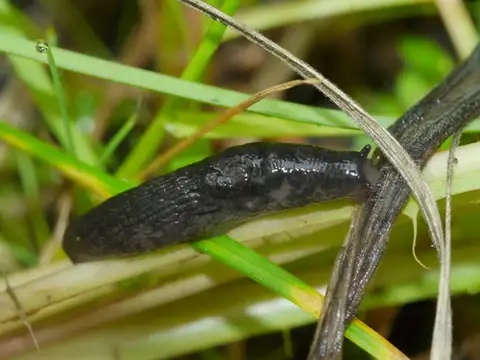
Slimy mollusks that chew ragged holes in grass and leaves, especially in damp, shady, thatchy spots.
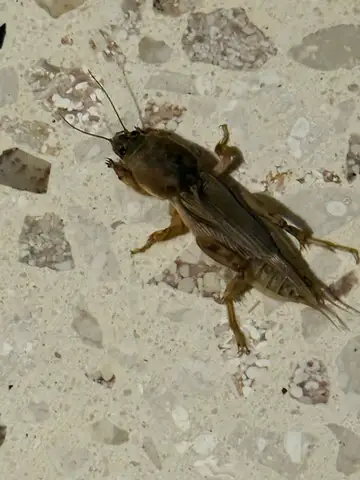
A burrowing lawn pest that tunnels through soil, damaging roots and leaving surface trails across the yard.
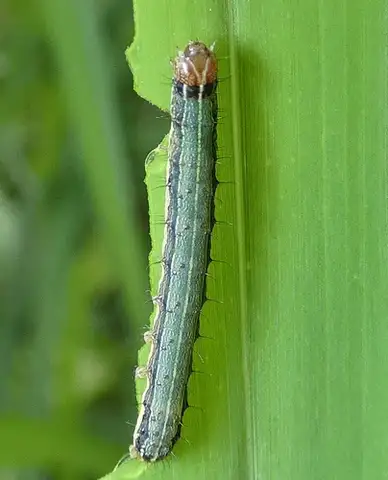
Night-feeding caterpillars that chew up lawns fast, sometimes overnight, and can look like sudden drought damage.
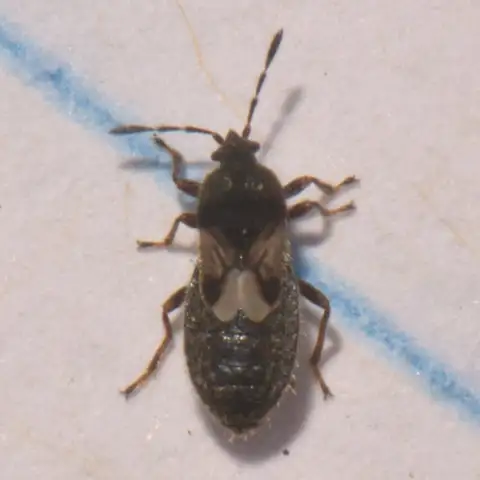
A tiny turf pest that sucks moisture from grass, leaving sunny patches wilted and discolored that won't green back up with water.