Rust
A lawn disease that leaves grass looking dusty orange, usually a sign the turf is stressed and needs some TLC.
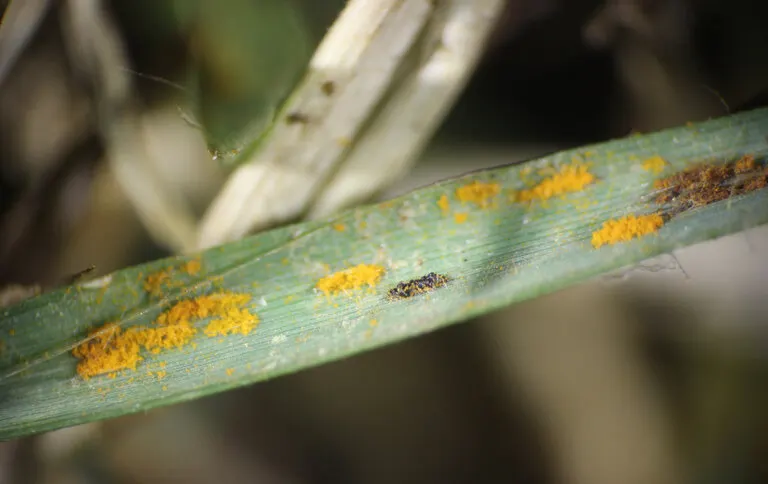
A lawn disease that leaves grass looking dusty orange, usually a sign the turf is stressed and needs some TLC.
Small yellow flecks turn into raised bumps that break open into powdery orange spores — walk or mow through it and you'll see 'clouds of orange dust.' By fall those spots often darken to black.
Often mistaken for: Dusty orange coating could be mistaken for pollen or dirt until you notice the powdery pustules on the grass blades.
Shows up in the cooler months here in the Triangle, mainly March through June and again September through November.
Affects home lawns with perennial ryegrass, Kentucky bluegrass, or zoysiagrass.
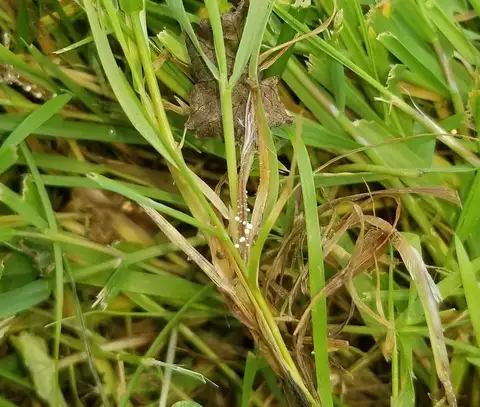
A soil-borne fungal disease that kills turf in circular patches during hot, humid summer weather.
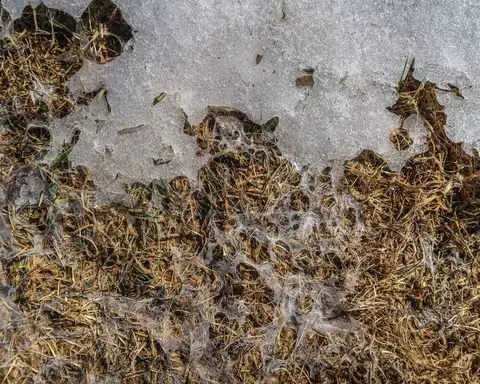
A cool-weather lawn disease that leaves pink-tinged, matted patches in your grass, even without real snow.
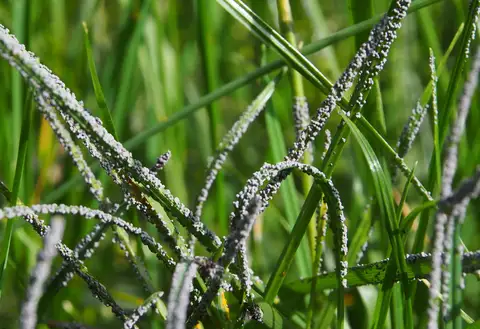
A harmless, oddball fungus-like growth that shows up on grass overnight and looks worse than it is.
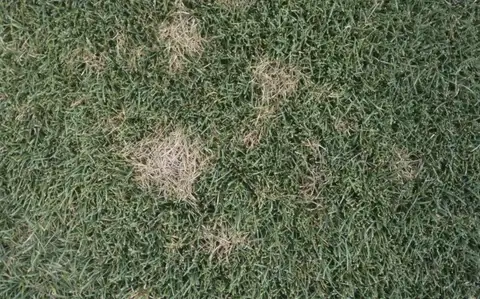
A common lawn disease that leaves small bleached-out spots, most noticeable on closely mowed grass.