Mealybugs
Small sap-sucking pests that leave sticky, cottony residue on plants and can stunt new growth.
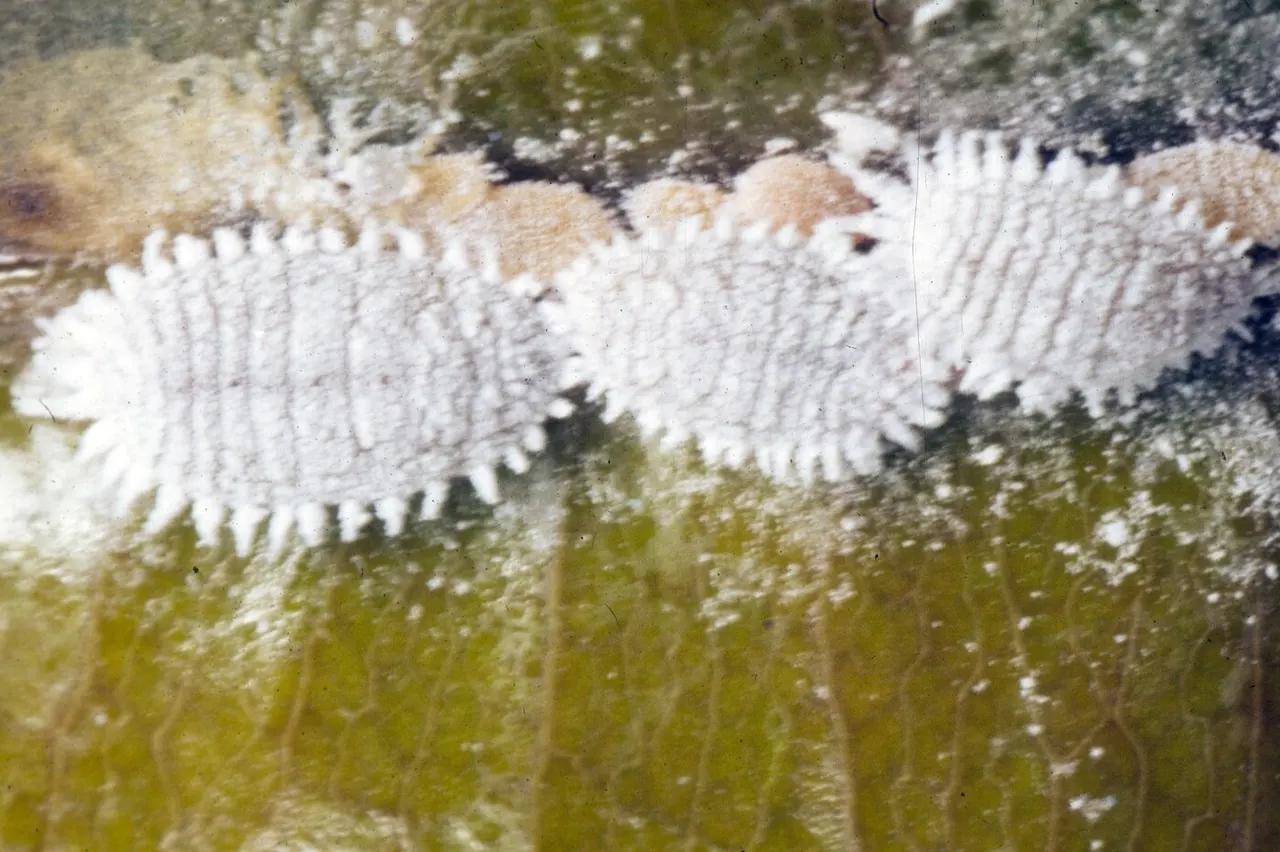
Small sap-sucking pests that leave sticky, cottony residue on plants and can stunt new growth.
Look for white, cottony wax clumps tucked into leaf axils and stem crevices. You'll often see sticky honeydew on leaves nearby, sometimes with black sooty mold growing on it. New growth may look stunted or distorted.
Often mistaken for: Woolly aphids or scale insects with waxy coatings
They're active with overlapping generations from spring through fall during our warm season, so it's worth checking leaf axils and stem crotches regularly.
Found on camellia, gardenia, boxwood, crape myrtle, and many other ornamentals, especially in warm, protected spots in the landscape.
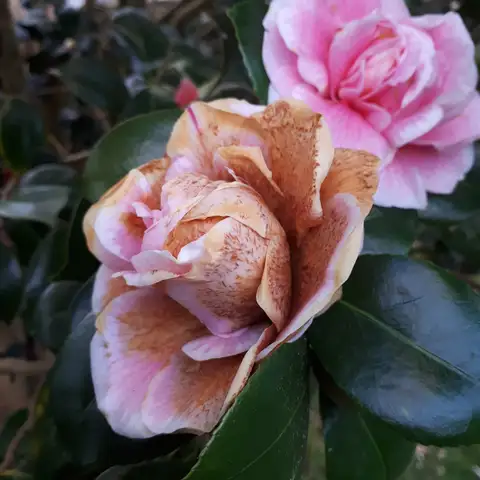
A fungus that turns camellia, azalea, and rhododendron blooms brown and mushy, though leaves stay healthy.
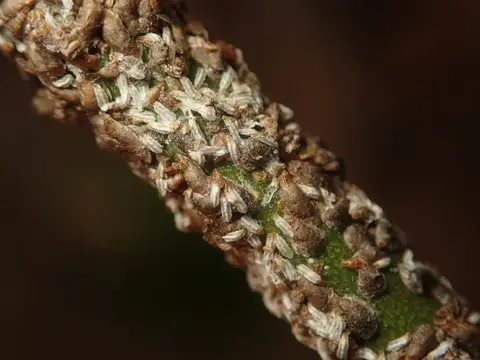
Tiny bark-hugging pests that can weaken shrubs like euonymus, camellia, and holly over time.
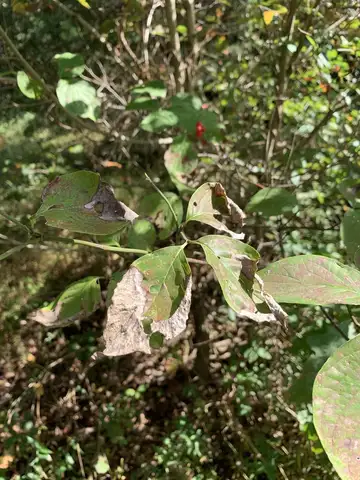
A fungal disease of flowering dogwoods that causes leaf spots, dieback, and can kill weak or shaded trees over time.
Tiny beetles that bore into stressed or newly planted trees, often killing them fast once they attack.