Armored Scale
Tiny bark-hugging pests that can weaken shrubs like euonymus, camellia, and holly over time.
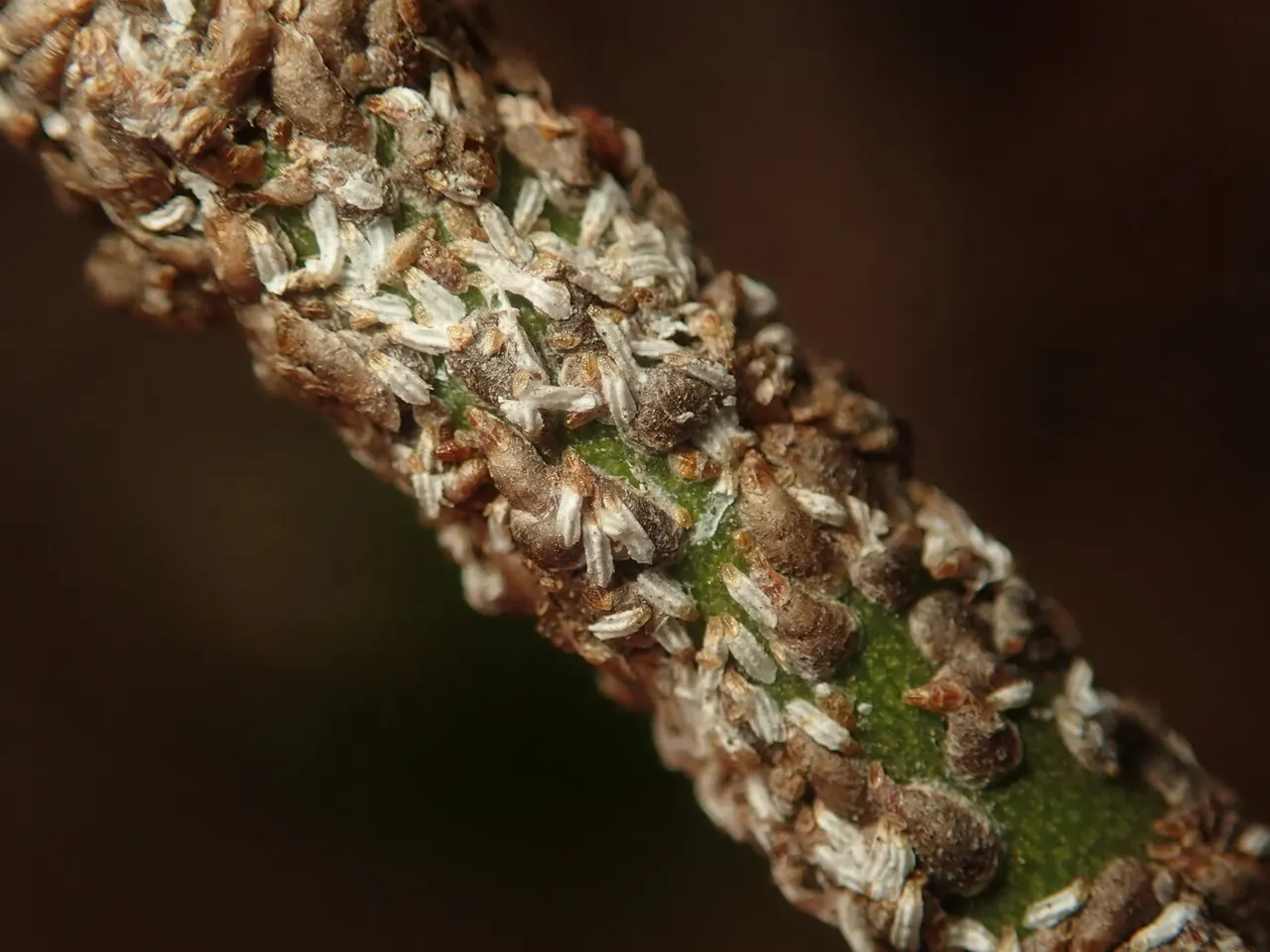
Tiny bark-hugging pests that can weaken shrubs like euonymus, camellia, and holly over time.
Small, waxy bumps on leaves, stems, or bark that you can actually scrape or lift off with your fingernail — the covering isn't attached to the bug underneath. Unlike other scale pests, they don't leave sticky honeydew or black sooty mold behind. Heavy infestations can look like a rough, crusty coating on stems.
Often mistaken for: Soft scale (which produces sticky honeydew and sooty mold, unlike armored scale)
Watch for new generations showing up every 6-8 weeks starting with spring growth, so it's worth checking plants through the growing season.
Common on euonymus, camellia, holly, boxwood, magnolia, and many conifers in Triangle landscapes.
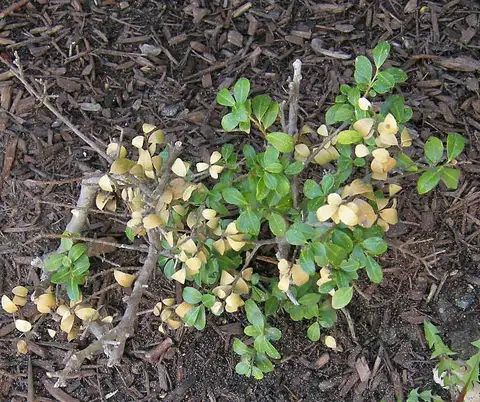
A root disease that often hitches a ride on new nursery plants, causing weak, yellowing growth that looks like transplant stress.
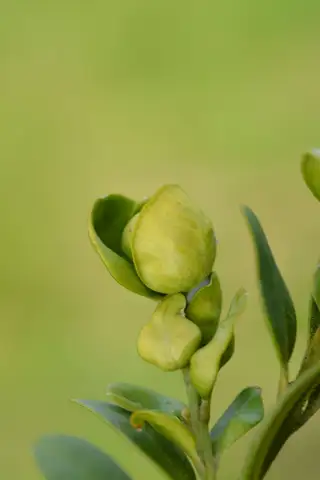
A tiny insect that makes boxwood leaves cup and curl. It's mostly a cosmetic issue, not a plant-killer.
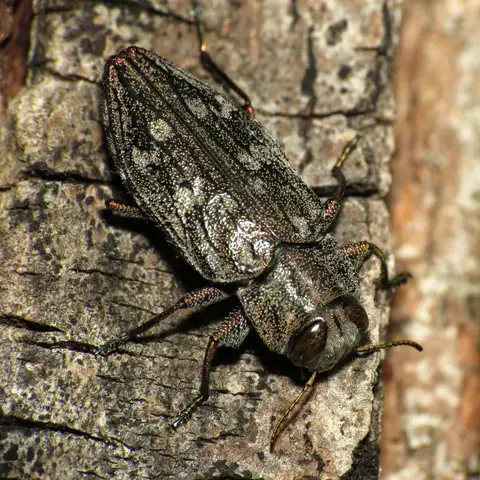
Wood-boring beetles that attack stressed or wounded trees, causing dieback and sometimes killing them.
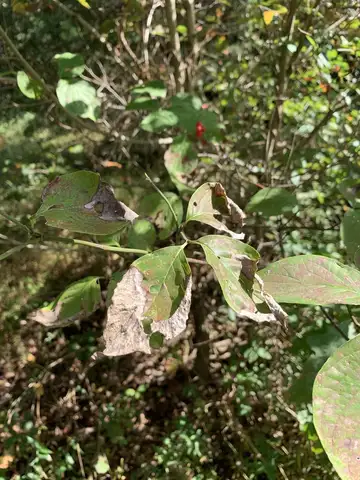
A fungal disease of flowering dogwoods that causes leaf spots, dieback, and can kill weak or shaded trees over time.