Flatheaded & Roundheaded Borers
Wood-boring beetles that attack stressed or wounded trees, causing dieback and sometimes killing them.
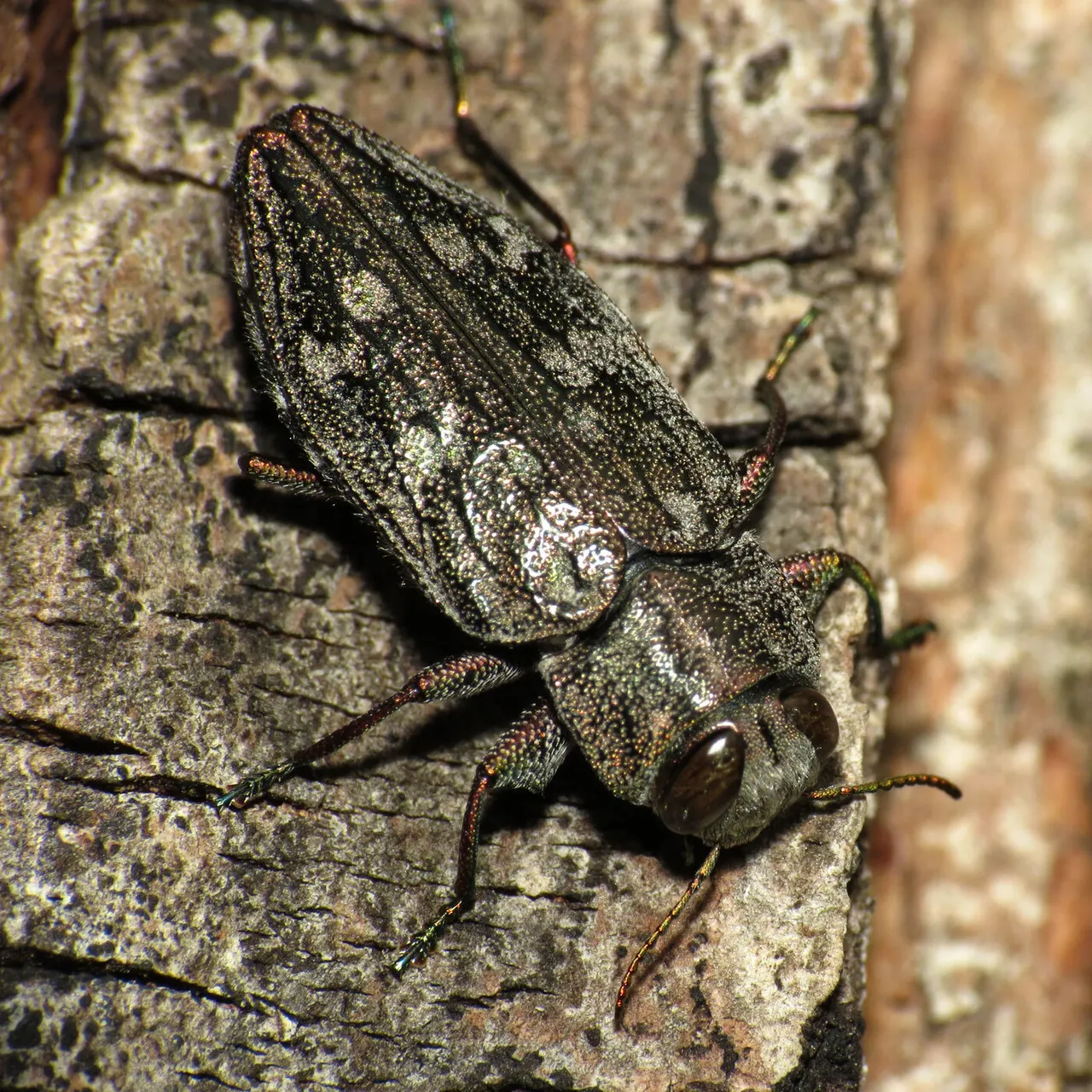
Wood-boring beetles that attack stressed or wounded trees, causing dieback and sometimes killing them.
Look for D-shaped or round exit holes in the bark, along with bark cracking or staining. Affected trees often show dieback starting at the top of the canopy or on the sun-exposed side.
Often mistaken for: General drought stress or other trunk damage
Adults are active in spring and summer, laying eggs on sun-scalded bark, fresh wounds, or drought-stressed trunks.
Landscape trees like maple, oak, and dogwood — especially recently transplanted or drought-stressed trees.
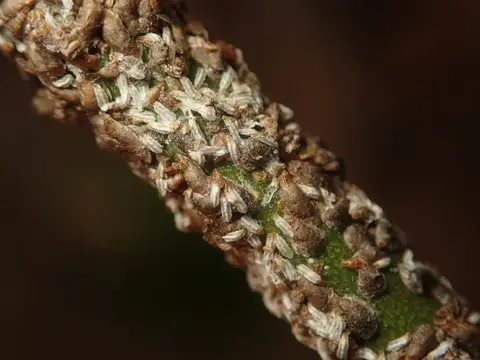
Tiny bark-hugging pests that can weaken shrubs like euonymus, camellia, and holly over time.
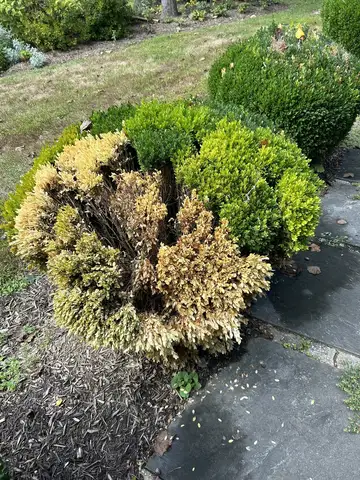
A stress-related fungal disease that causes dieback in boxwood. It's a look-alike for the more serious boxwood blight, so ID matters.
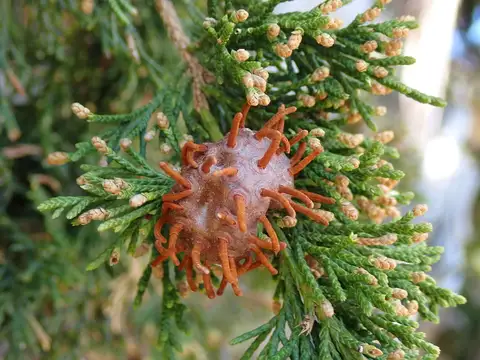
A fungus that needs both cedar/juniper and crabapple-type trees to complete its cycle, causing ugly spots and galls.
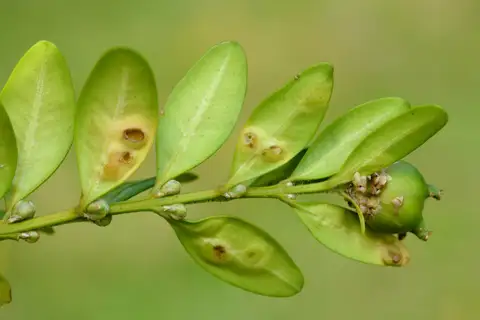
A tiny pest that tunnels inside boxwood leaves, leaving them blistered and off-color. Bad infestations can make a boxwood look sickly year-round.