Black Root Rot
Thielaviopsis
A root disease that often hitches a ride on new nursery plants, causing weak, yellowing growth that looks like transplant stress.
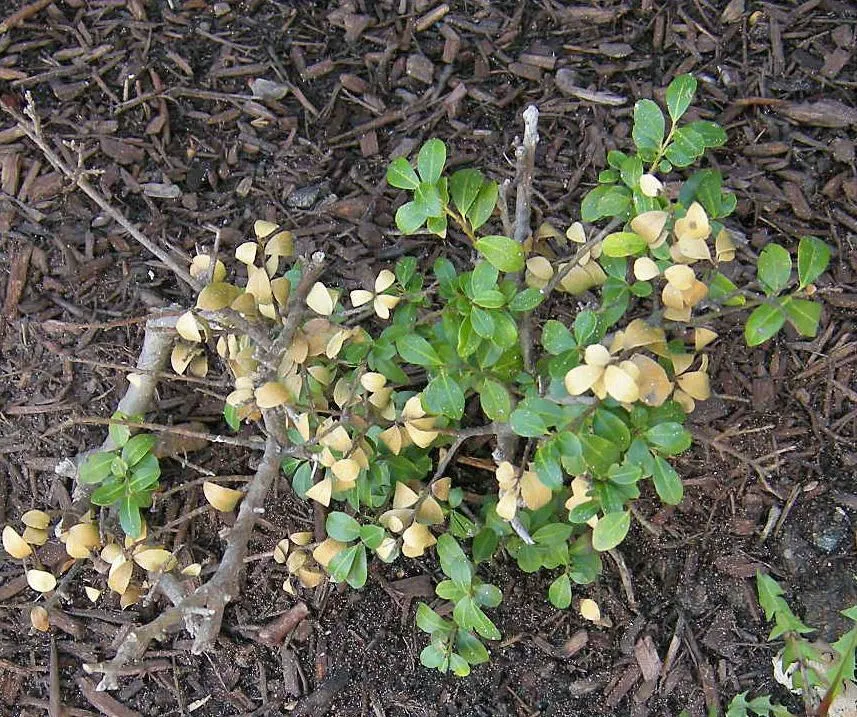
A root disease that often hitches a ride on new nursery plants, causing weak, yellowing growth that looks like transplant stress.
The above-ground plant looks stunted and yellow, similar to drought or nutrient trouble. But if you dig up the roots, they'll be blackened and rotted instead of white and healthy. It's most common on holly and boxwood, and often shows up on plants that were already infected when purchased.
Often mistaken for: Drought stress or nutrient deficiency
Shows up most in cool soil, usually during the first year after planting when new transplants are still getting established.
Affects holly, boxwood, pansies, and other woody and bedding plants, especially new nursery stock and fresh plantings.
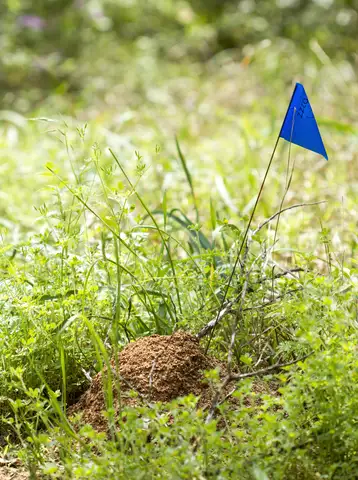
Fire ants build stinging mounds in beds and lawn edges — a safety and nuisance issue for homeowners.
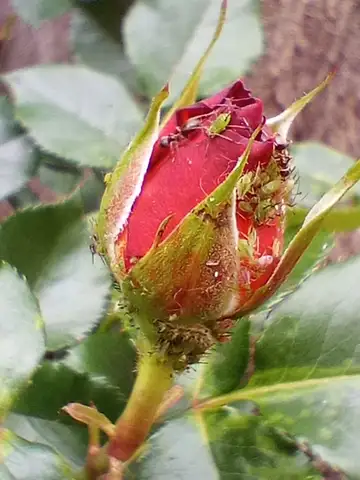
Tiny sap-sucking bugs on ornamentals that leave sticky honeydew and black sooty mold on leaves.
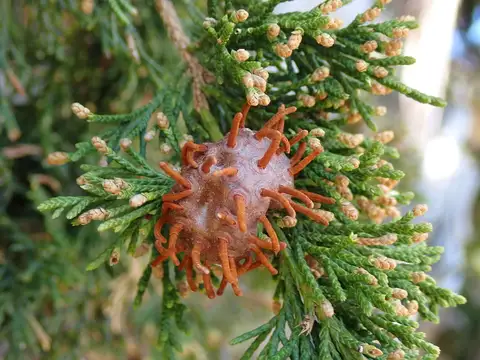
A fungus that needs both cedar/juniper and crabapple-type trees to complete its cycle, causing ugly spots and galls.
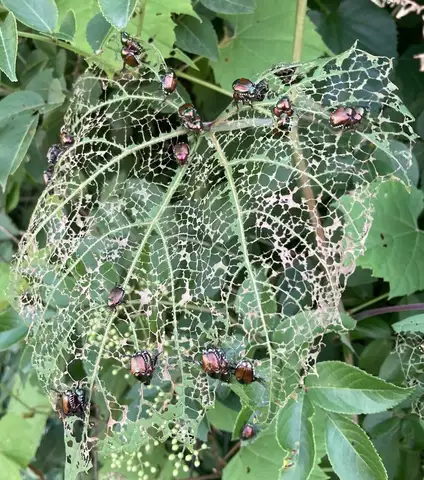
A metallic green beetle that chews holes in leaves and flowers on many landscape plants in summer.