Aphids
Tiny sap-sucking bugs on ornamentals that leave sticky honeydew and black sooty mold on leaves.
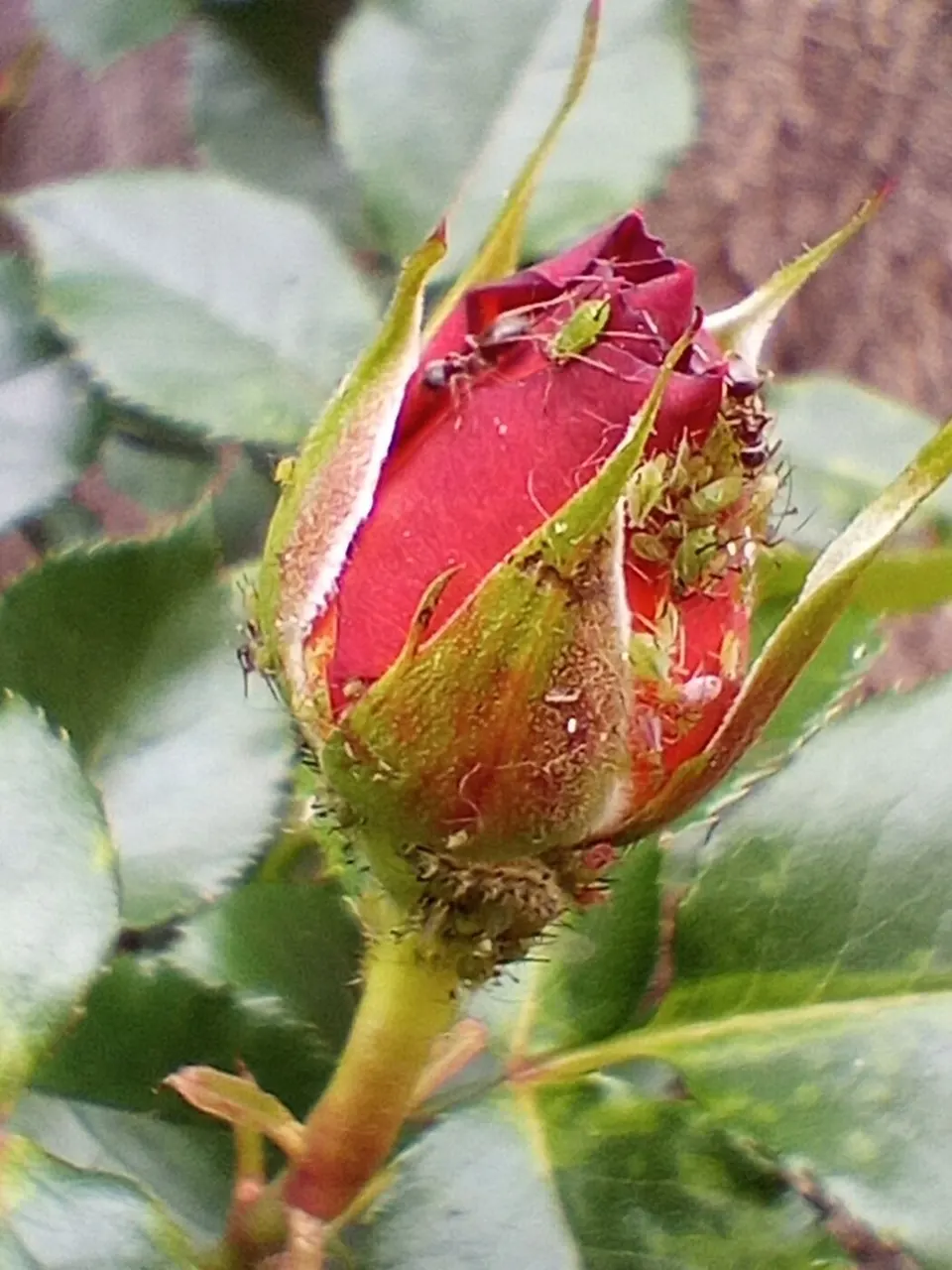
Tiny sap-sucking bugs on ornamentals that leave sticky honeydew and black sooty mold on leaves.
Small, soft-bodied insects clustered on new growth and the undersides of leaves. Leaves may feel sticky from honeydew, and a black sooty mold can grow on that residue. Crape myrtle aphids stick specifically to crape myrtle leaves.
Often mistaken for: Scale insects or whiteflies
Active continuously from spring through fall in our area.
Found on many landscape shrubs and trees, with crape myrtles being a common target.
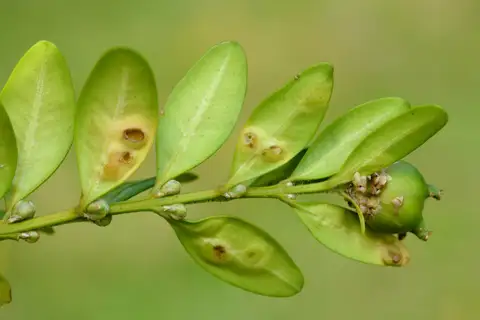
A tiny pest that tunnels inside boxwood leaves, leaving them blistered and off-color. Bad infestations can make a boxwood look sickly year-round.
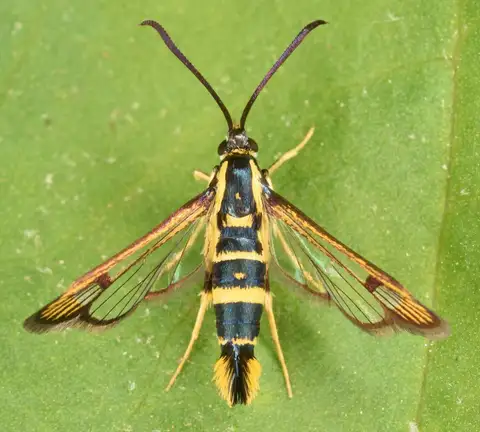
Moth larvae that bore into tree and shrub trunks, causing dieback—often starting at wounds or graft unions.
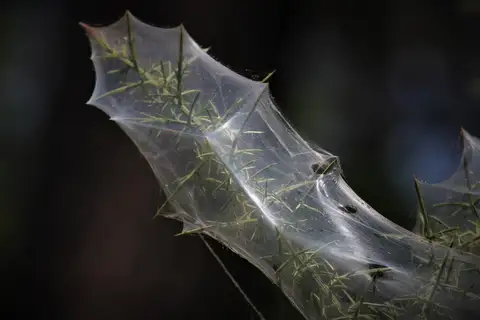
Tiny sap-sucking pests that cause speckled, bronzed leaves or needles on many landscape plants.
These beetles attack pines that are already stressed or dying, hastening the tree's decline and posing a risk to nearby trees.