Bark and Pine Beetles
These beetles attack pines that are already stressed or dying, hastening the tree's decline and posing a risk to nearby trees.
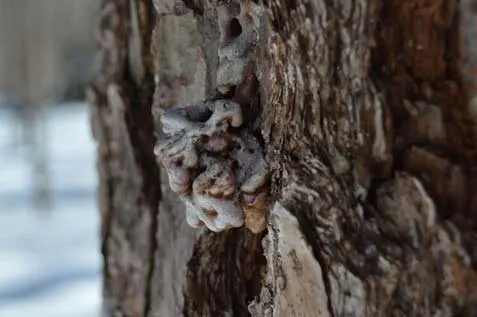
These beetles attack pines that are already stressed or dying, hastening the tree's decline and posing a risk to nearby trees.
Look for small tubes of pitch (sap) on the bark and fine reddish sawdust-like material at the base. The top or patches of the crown will fade and brown. In later stages, bark flakes off easily and reveals tunnel patterns (galleries) underneath.
Active from spring through fall, and tends to be worse in years following drought.
Mainly pines, and occasionally other conifers, especially ones already weakened by drought or root rot.
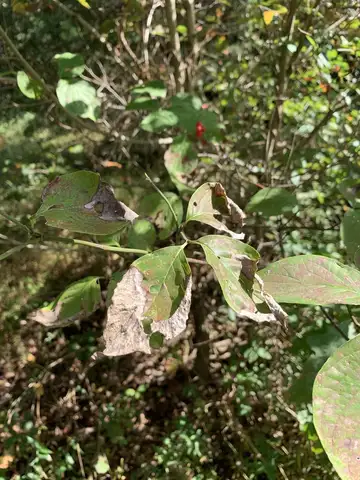
A fungal disease of flowering dogwoods that causes leaf spots, dieback, and can kill weak or shaded trees over time.
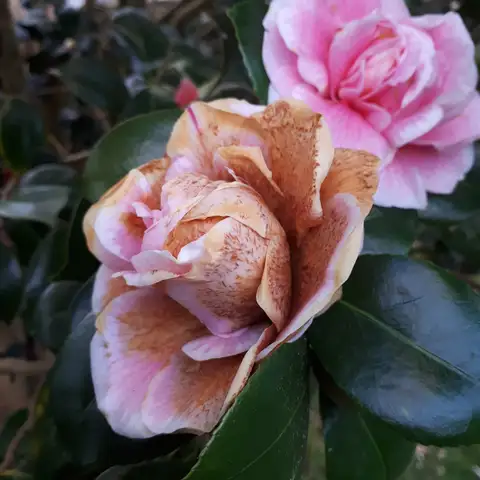
A fungus that turns camellia, azalea, and rhododendron blooms brown and mushy, though leaves stay healthy.
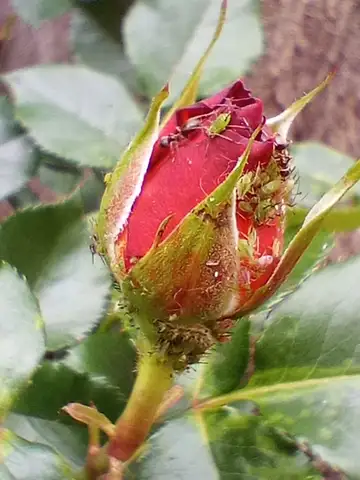
Tiny sap-sucking bugs on ornamentals that leave sticky honeydew and black sooty mold on leaves.
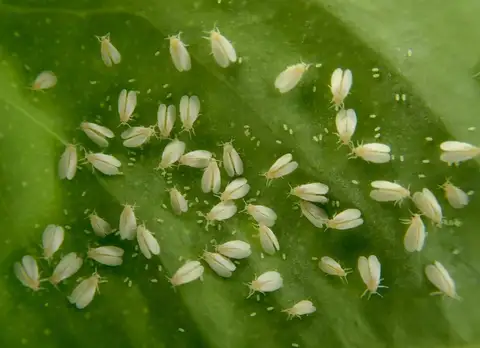
Tiny white flying insects that suck sap from leaves, leaving sticky residue and weak growth on ornamentals.