Clearwing Borers
Moth larvae that bore into tree and shrub trunks, causing dieback—often starting at wounds or graft unions.
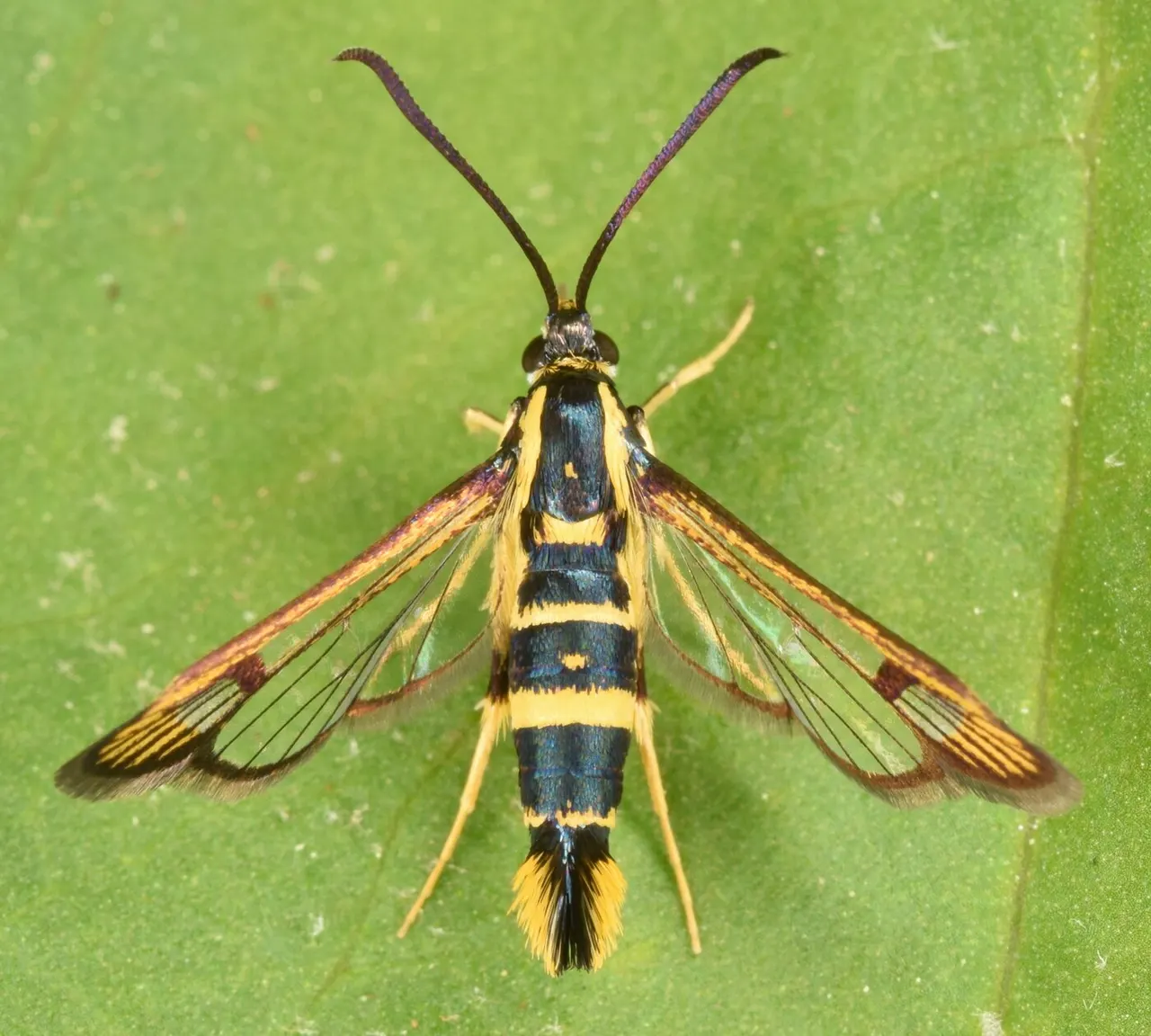
Moth larvae that bore into tree and shrub trunks, causing dieback—often starting at wounds or graft unions.
Look for sawdust-like material and oozing sap at small holes in the bark, along with dead or dying branches. The adults are moths that look like wasps and can be seen flying around trunks during the season. Damage tends to cluster around pruning cuts, mower or trimmer nicks, and graft unions.
Often mistaken for: Adult moths are often mistaken for wasps
Adult moths fly and lay eggs from spring through summer, with exact timing varying by type; the plant is most at risk right as eggs hatch and young larvae start boring in.
Affects dogwood, rhododendron and azalea, and lilac, usually entering through wounds on the trunk.
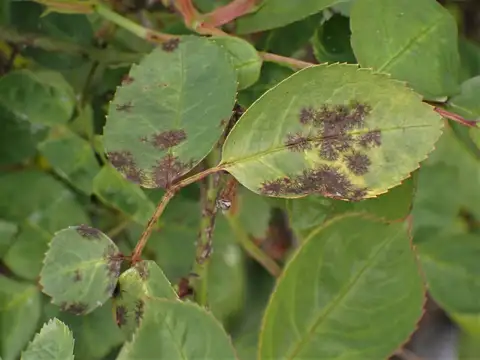
A common fungal disease of roses that causes spotted, yellowing leaves and early leaf drop, weakening the plant over time.
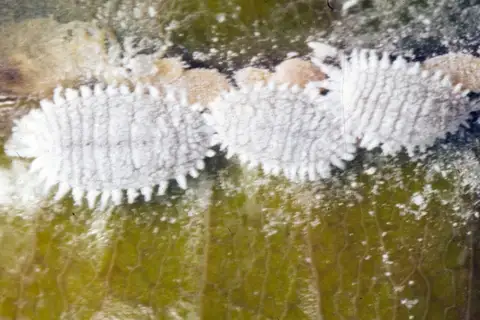
Small sap-sucking pests that leave sticky, cottony residue on plants and can stunt new growth.
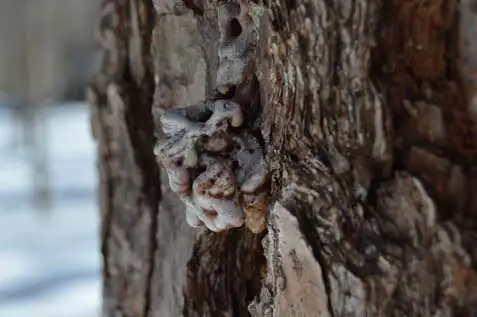
These beetles attack pines that are already stressed or dying, hastening the tree's decline and posing a risk to nearby trees.
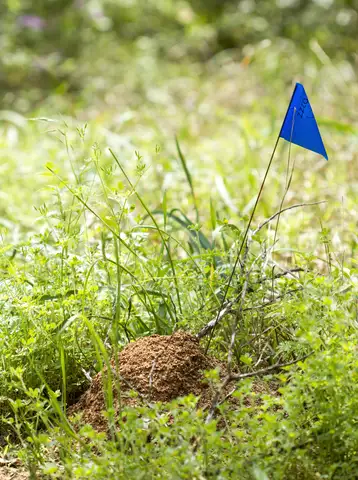
Fire ants build stinging mounds in beds and lawn edges — a safety and nuisance issue for homeowners.