Spider Mites
Tiny sap-sucking pests that cause speckled, bronzed leaves or needles on many landscape plants.
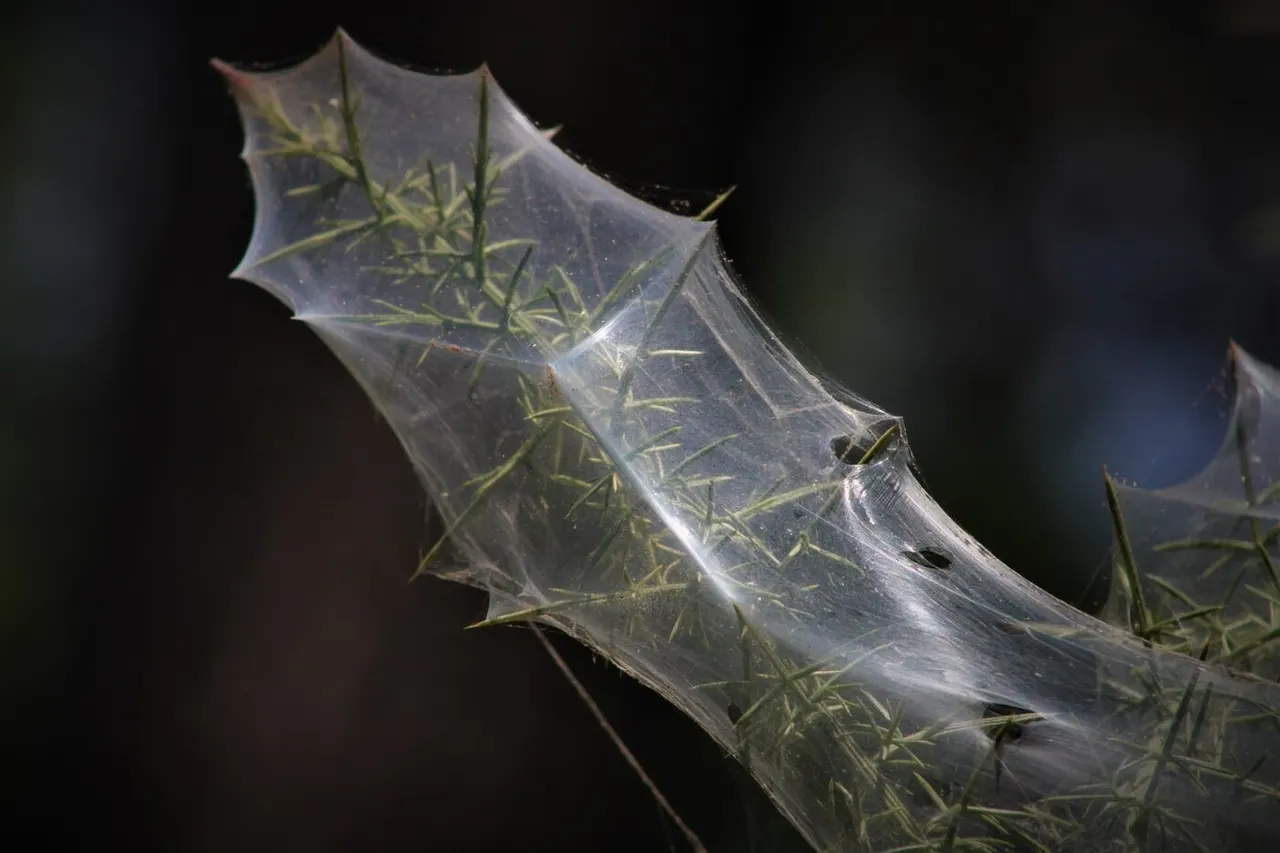
Tiny sap-sucking pests that cause speckled, bronzed leaves or needles on many landscape plants.
Leaves or needles show fine yellow speckling that turns bronze or gray as damage worsens. In bad infestations you'll see fine webbing on the plant. The mites themselves are tiny and hard to see without a magnifying glass, but the leaf stippling is the giveaway.
Often mistaken for: Nutrient deficiency or drought stress (similar leaf stippling/bronzing)
One type shows up during hot, dry stretches from late May through summer. The other prefers cooler weather and is most active in spring and fall.
Affects a wide range of ornamentals — including roses and butterfly bush — as well as conifers like spruce, arborvitae, fir, hemlock, juniper, and pine.
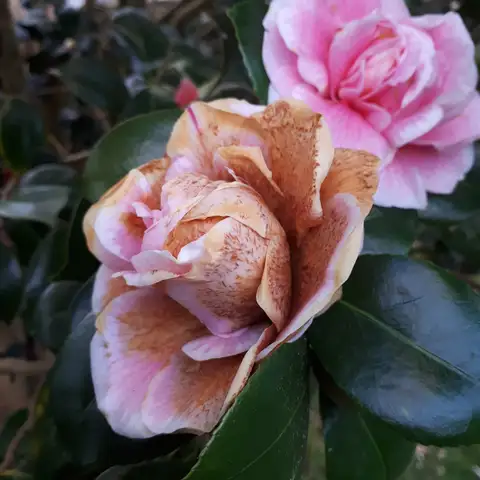
A fungus that turns camellia, azalea, and rhododendron blooms brown and mushy, though leaves stay healthy.
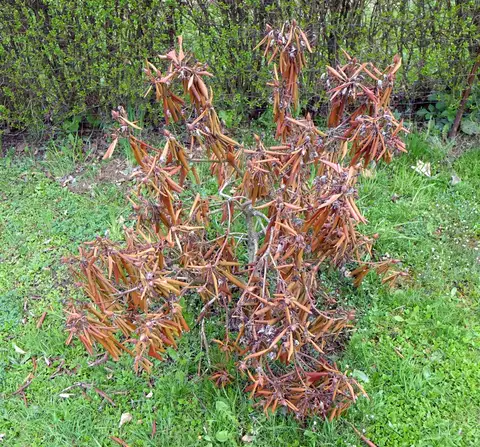
A soil-borne disease that rots roots and crowns of shrubs in wet, poorly-drained spots, often mistaken for drought stress.
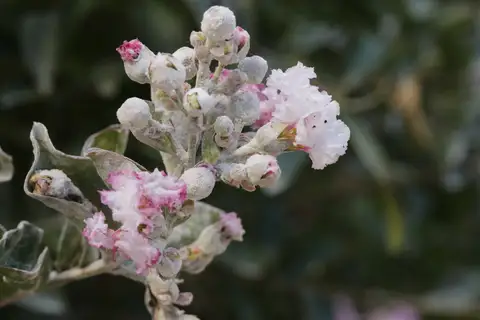
A common fungal disease that coats leaves and stems with a white, powdery film on shrubs and trees.
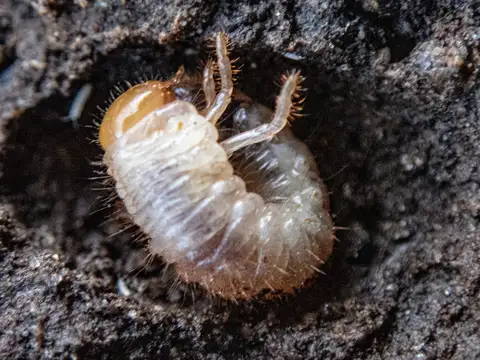
A beetle larva that chews roots of container and bedding plants, causing wilting or collapse plant by plant.