Powdery Mildew
A common fungal disease that coats leaves and stems with a white, powdery film on shrubs and trees.
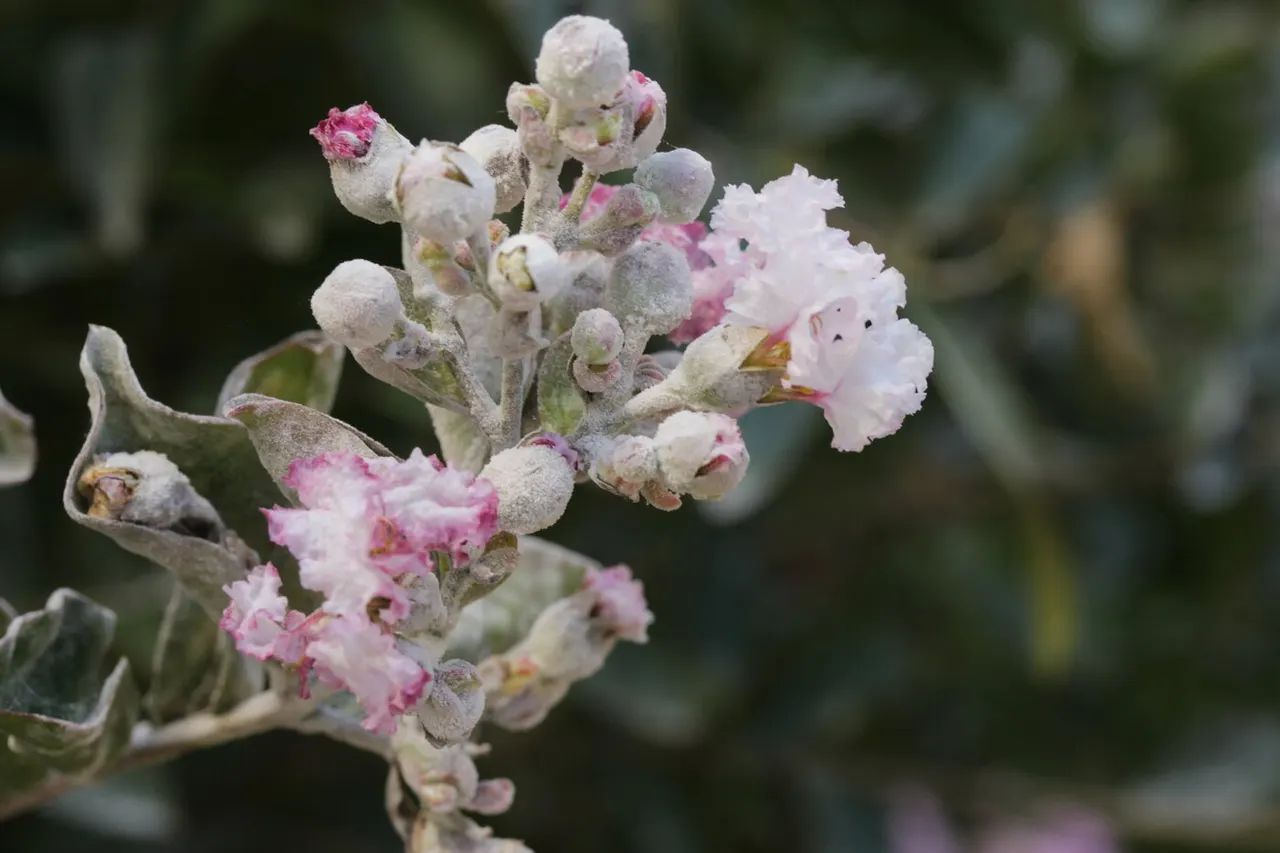
A common fungal disease that coats leaves and stems with a white, powdery film on shrubs and trees.
White-to-gray powdery growth covering leaves, stems, buds, or flowers, usually worst on new growth. It rubs off easily if you touch it. Heavy infections can twist or stunt new shoots.
Often mistaken for: Dust or spray residue on leaves
Shows up most often from late spring through summer, especially when it's humid and plants are crowded or shaded.
Affects many landscape shrubs and trees, including crape myrtle, dogwood, rose, azalea, euonymus, and lilac.
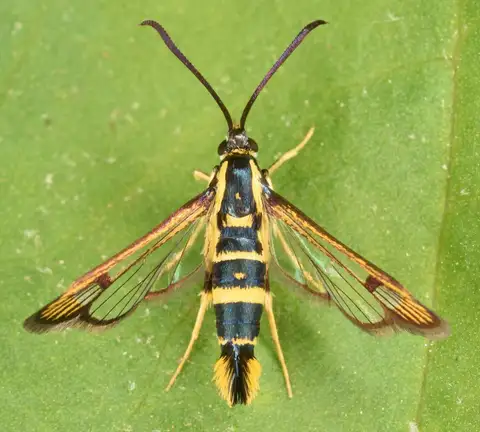
Moth larvae that bore into tree and shrub trunks, causing dieback—often starting at wounds or graft unions.
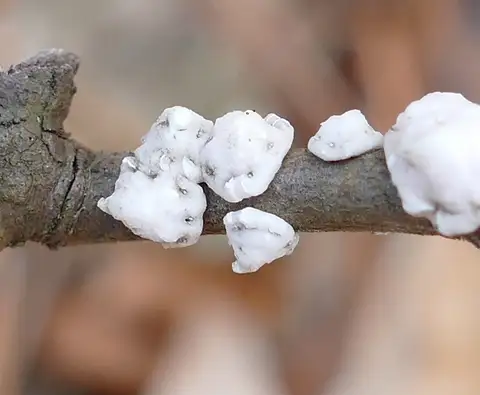
A small waxy insect that feeds on woody shrubs and trees, leaving sticky honeydew and sooty mold behind.
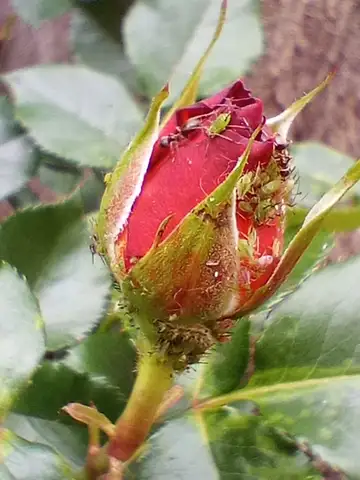
Tiny sap-sucking bugs on ornamentals that leave sticky honeydew and black sooty mold on leaves.
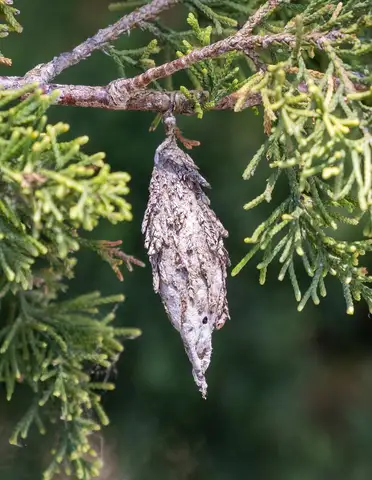
Small caterpillars that build camouflaged bags on trees and shrubs, chewing foliage and thinning out plants over time.