Soft Scale
A small waxy insect that feeds on woody shrubs and trees, leaving sticky honeydew and sooty mold behind.
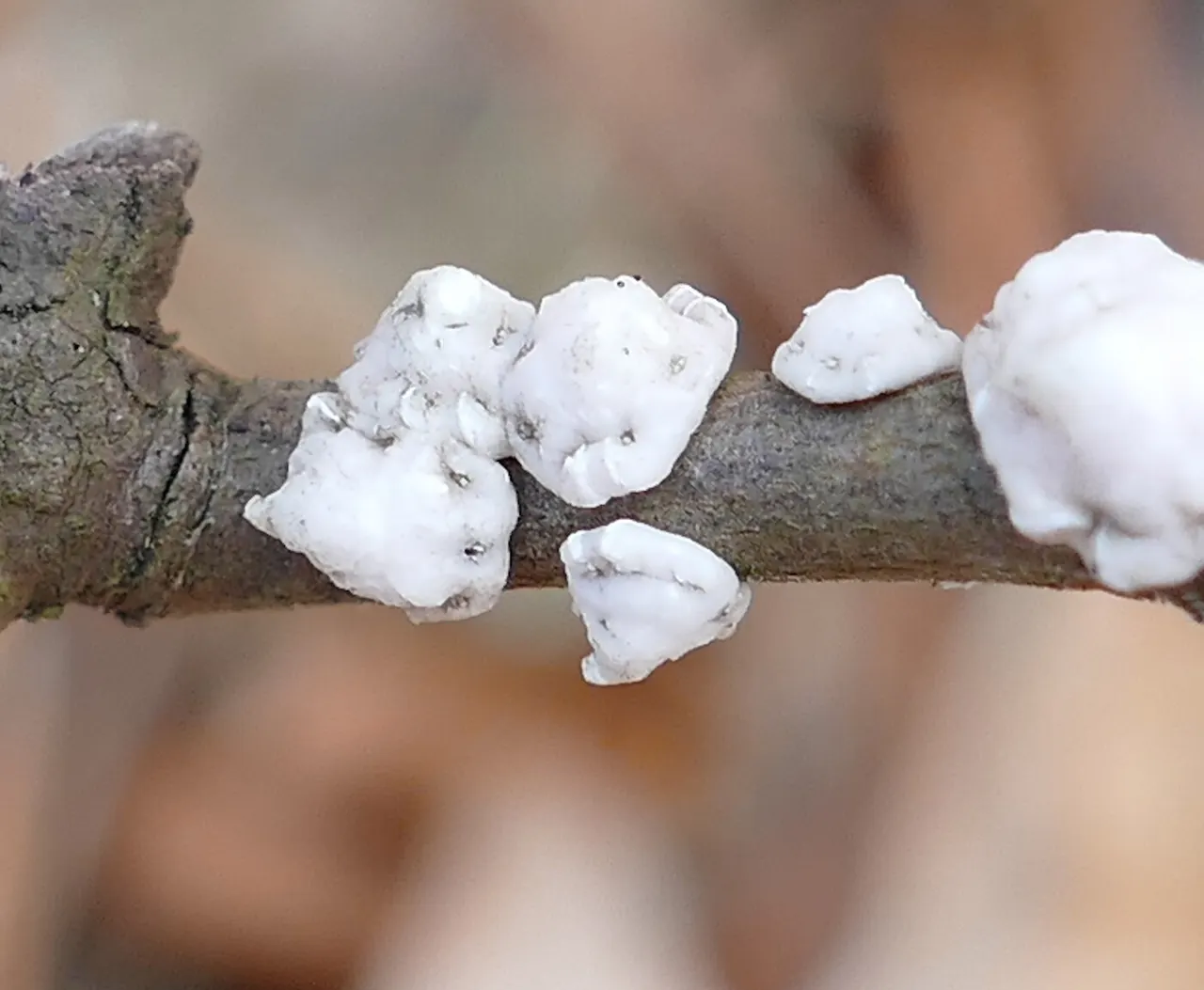
A small waxy insect that feeds on woody shrubs and trees, leaving sticky honeydew and sooty mold behind.
Small bumps on stems and leaves with a waxy coating that's actually attached to the insect's body (you can't pick the wax off separately). Look for sticky honeydew on leaves and branches, often followed by black sooty mold growth.
Often mistaken for: Armored scale (though armored scale wax isn't attached to the insect body) or sooty mold from other honeydew-producing pests
Young crawlers show up in spring here in the Triangle, with a second round sometimes appearing in summer or fall.
Holly, euonymus, magnolia, and many other woody landscape shrubs and trees.
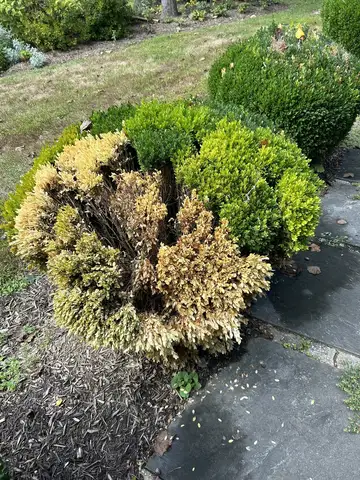
A stress-related fungal disease that causes dieback in boxwood. It's a look-alike for the more serious boxwood blight, so ID matters.
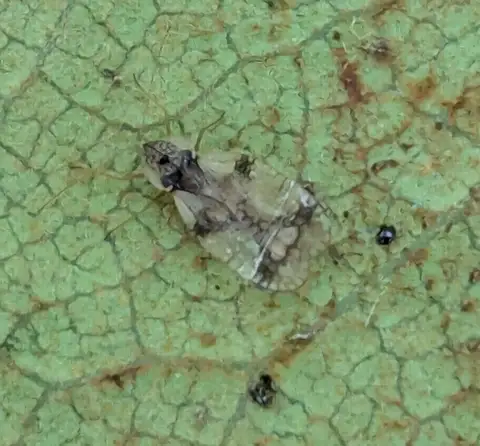
A tiny sap-sucking bug that leaves azalea leaves speckled and pale. Bad infestations make plants look sickly all season.
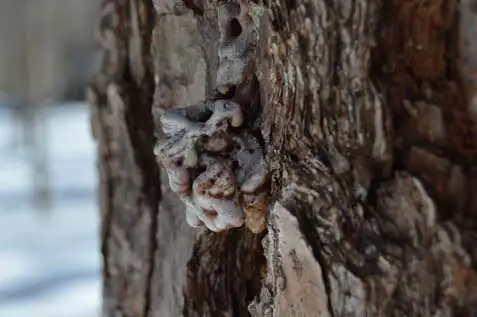
These beetles attack pines that are already stressed or dying, hastening the tree's decline and posing a risk to nearby trees.
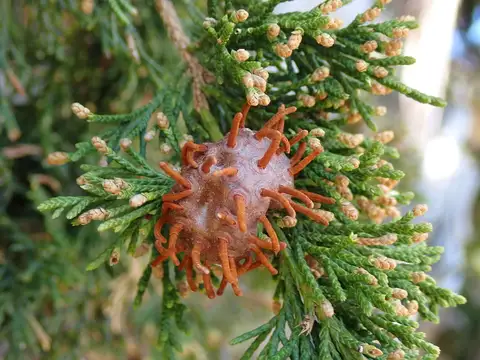
A fungus that needs both cedar/juniper and crabapple-type trees to complete its cycle, causing ugly spots and galls.