Phytophthora Root and Crown Rot
A soil-borne disease that rots roots and crowns of shrubs in wet, poorly-drained spots, often mistaken for drought stress.

A soil-borne disease that rots roots and crowns of shrubs in wet, poorly-drained spots, often mistaken for drought stress.
Leaves wilt or turn dull even when the soil is plenty moist, and dieback may show on one side of the plant or the whole canopy. If you peel back the bark near the base, the wood underneath looks reddish-brown instead of healthy white or tan.
Often mistaken for: drought or heat stress
Can show up any time of year in our clay soils, but it's worst after heavy rain or overwatering, and often gets blamed on summer heat instead.
Hits boxwood, azalea, rhododendron, camellia, holly, Leyland cypress, junipers, and other woody landscape plants growing in wet or heavy clay sites.
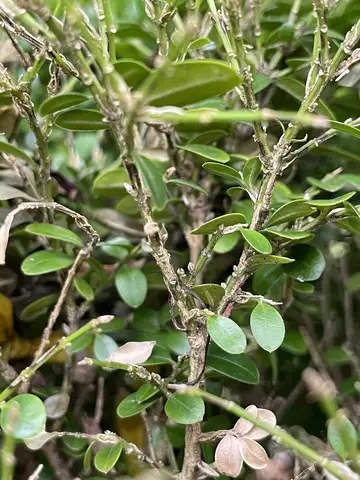
A serious fungal disease of boxwood that causes rapid leaf drop and can kill plants if left unchecked.
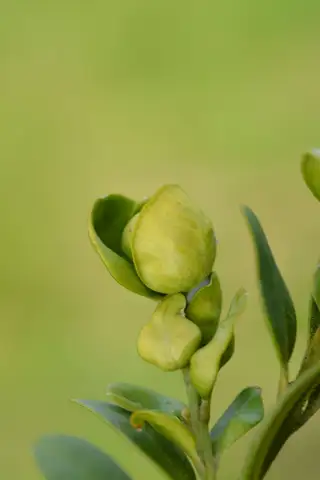
A tiny insect that makes boxwood leaves cup and curl. It's mostly a cosmetic issue, not a plant-killer.
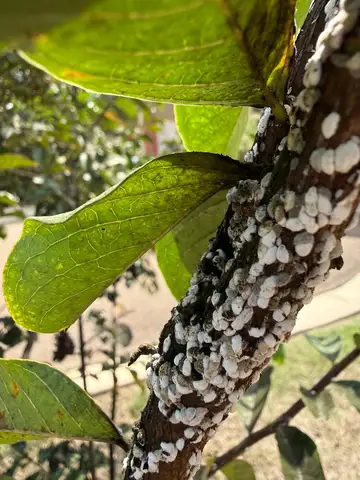
A scale insect that coats crape myrtle bark with white fuzz and causes ugly black sooty mold on trunks and leaves.
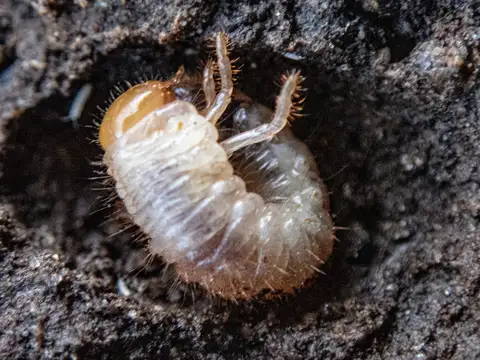
A beetle larva that chews roots of container and bedding plants, causing wilting or collapse plant by plant.