Crape Myrtle Bark Scale
A scale insect that coats crape myrtle bark with white fuzz and causes ugly black sooty mold on trunks and leaves.
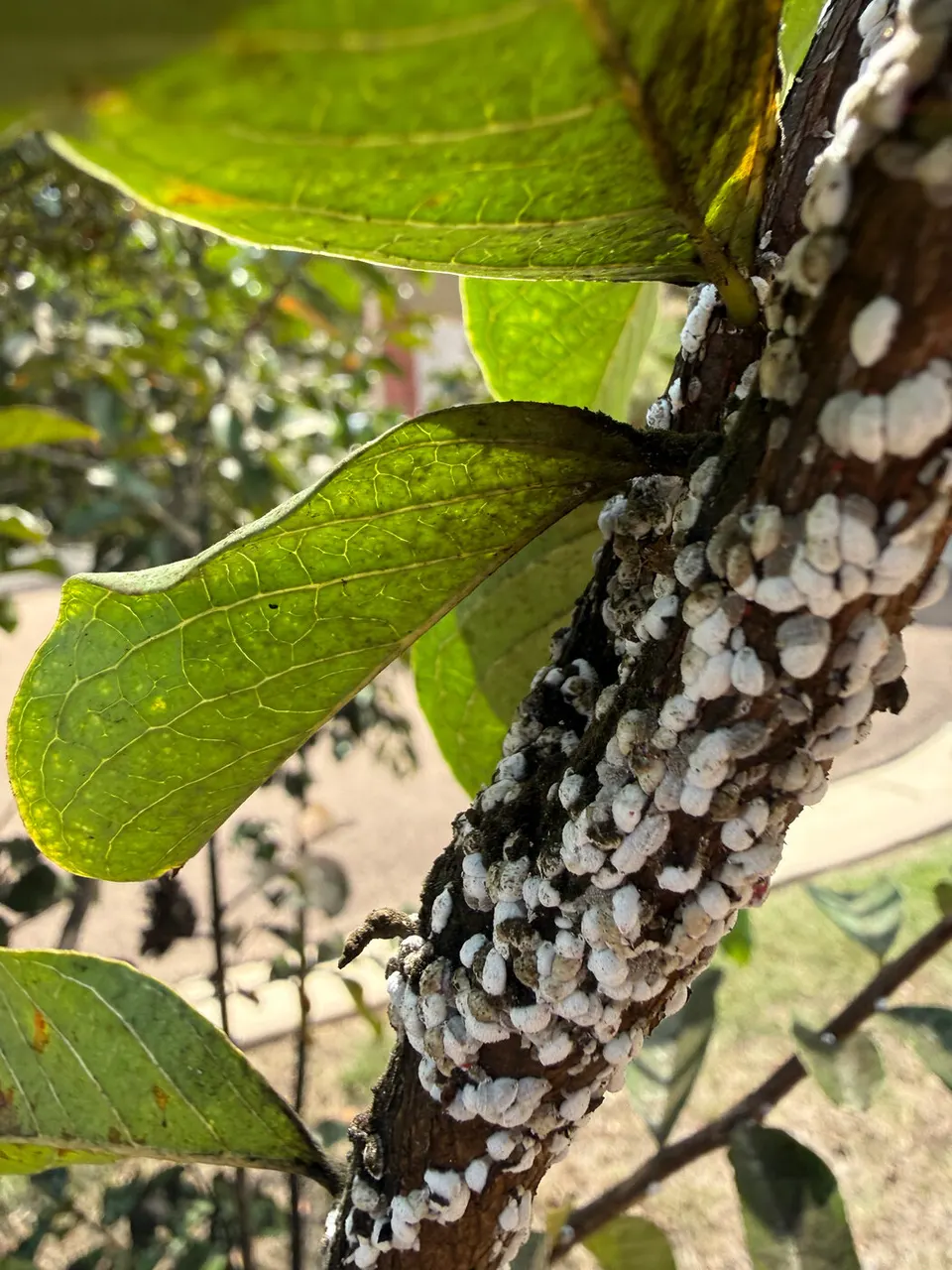
A scale insect that coats crape myrtle bark with white fuzz and causes ugly black sooty mold on trunks and leaves.
Look for white or gray fuzzy, waxy bumps clustered at branch crotches and old pruning wounds. If you crush them, they leave a pink or orange smear. Trunks and limbs often turn black underneath from sooty mold growing on the insects' sticky residue.
Often mistaken for: Mealybugs or other bark-encrusting scale insects
Eggs are laid in late spring with young scales showing up in early May, and there's a second wave in September. There can be more than one generation per year.
Affects crape myrtle trees and shrubs.
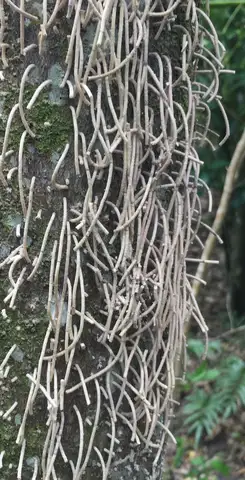
Tiny beetles that bore into stressed or newly planted trees, often killing them fast once they attack.
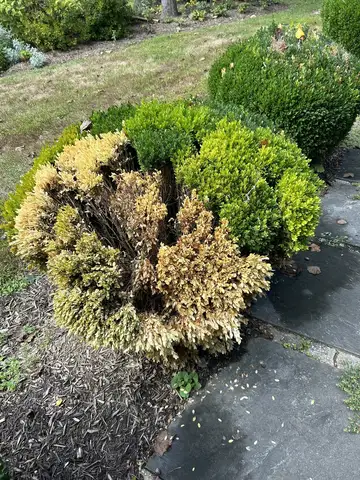
A stress-related fungal disease that causes dieback in boxwood. It's a look-alike for the more serious boxwood blight, so ID matters.
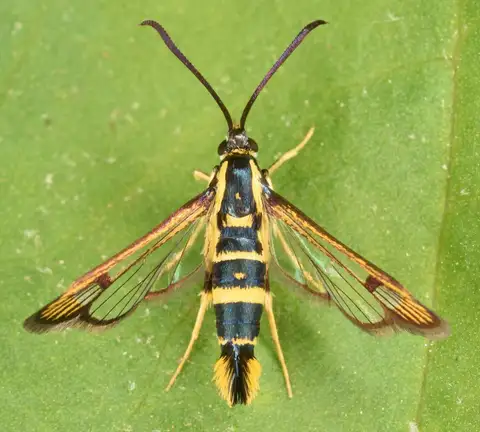
Moth larvae that bore into tree and shrub trunks, causing dieback—often starting at wounds or graft unions.
A tiny sap-sucking bug that leaves azalea leaves speckled and pale. Bad infestations make plants look sickly all season.