Boxwood Blight
Calonectria pseudonaviculata
A serious fungal disease of boxwood that causes rapid leaf drop and can kill plants if left unchecked.
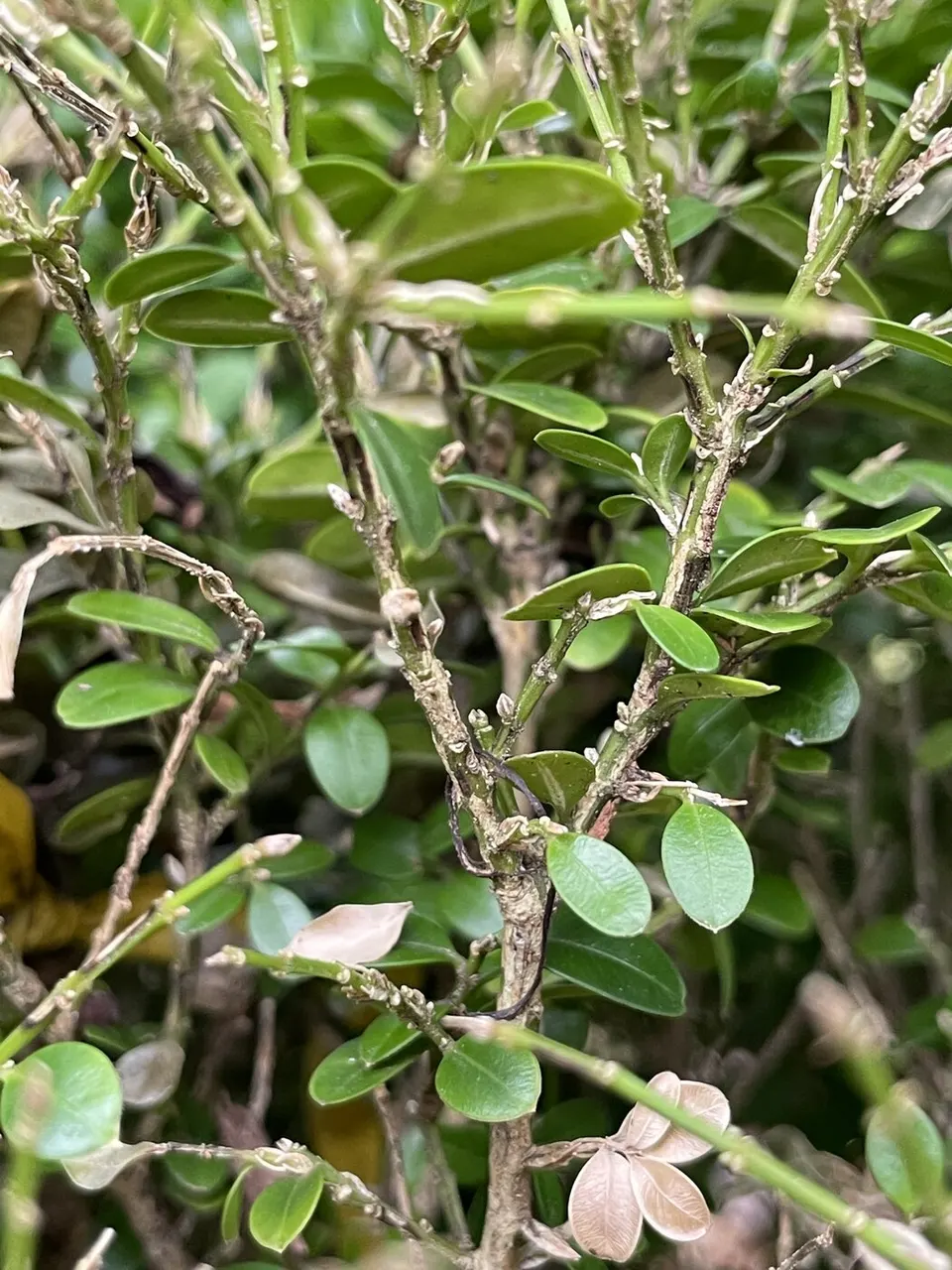
A serious fungal disease of boxwood that causes rapid leaf drop and can kill plants if left unchecked.
Round, dark-edged leaf spots that merge into brown blotches, followed by fast, heavy leaf drop. Look closely at the stems for narrow black streak-like cankers—that's the key sign of true boxwood blight rather than a milder look-alike disease. Bare, twiggy branches often remain after leaves fall.
Often mistaken for: Volutella leaf blight (bronzing leaves and bark peeling, but no black stem streaking)
It can show up any time of year since it survives on plants and in fallen leaves, but spreads fastest during wet spring and summer weather.
Mainly affects boxwood shrubs, especially American boxwood, and can also spread to pachysandra and sweetbox.
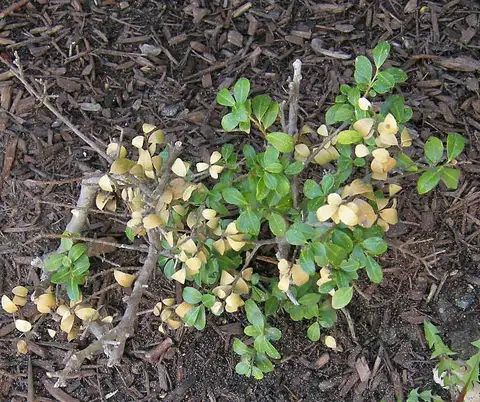
A root disease that often hitches a ride on new nursery plants, causing weak, yellowing growth that looks like transplant stress.
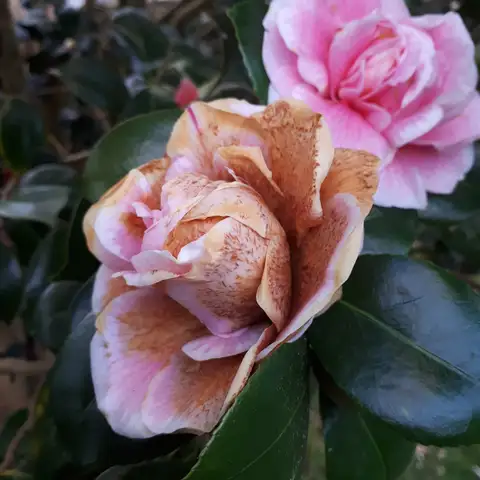
A fungus that turns camellia, azalea, and rhododendron blooms brown and mushy, though leaves stay healthy.
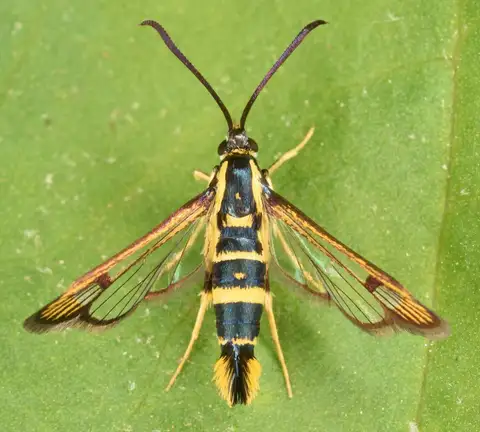
Moth larvae that bore into tree and shrub trunks, causing dieback—often starting at wounds or graft unions.
Tiny beetles that bore into stressed or newly planted trees, often killing them fast once they attack.