White Grub
A beetle larva that chews roots of container and bedding plants, causing wilting or collapse plant by plant.
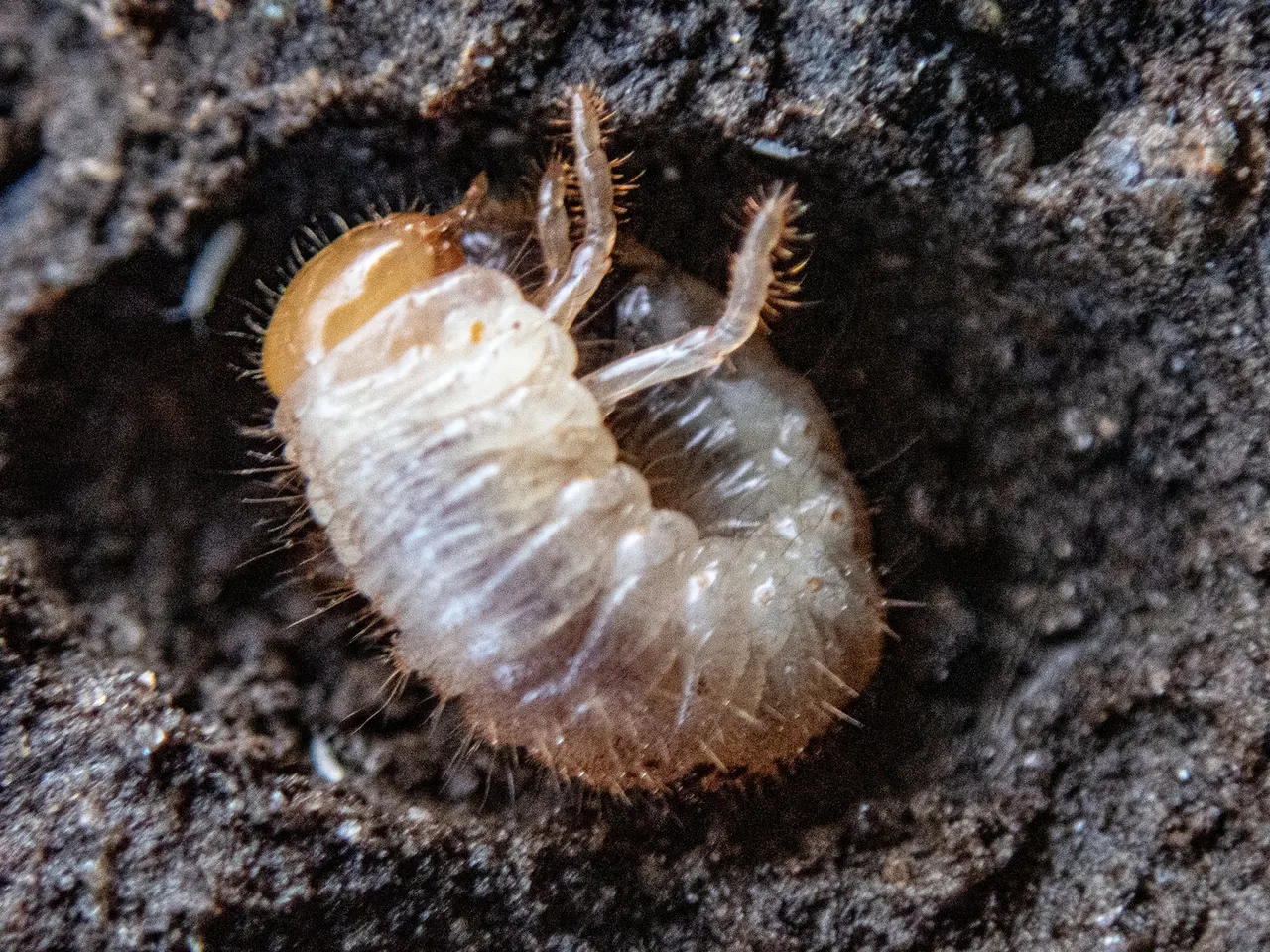
A beetle larva that chews roots of container and bedding plants, causing wilting or collapse plant by plant.
You'll see individual plants wilting, stunted, or collapsing rather than a whole area of dead turf. If you dig around the roots, you'll find them sparse and chewed, with grubs feeding among them. This plant-by-plant pattern is the key difference from the area-wide damage grubs cause in lawns.
Often mistaken for: Root rot or transplant stress (both can cause similar wilting without an obvious pest)
Adults lay eggs in summer, and the small grubs that hatch keep feeding on roots into fall.
Container and landscape ornamental plants, not turf.
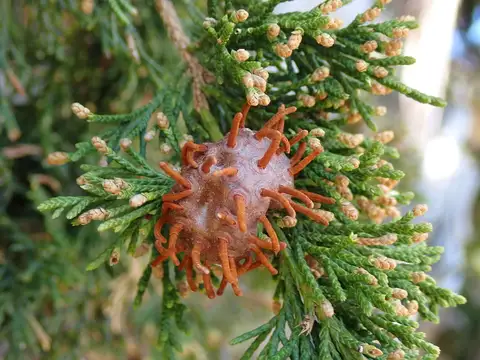
A fungus that needs both cedar/juniper and crabapple-type trees to complete its cycle, causing ugly spots and galls.
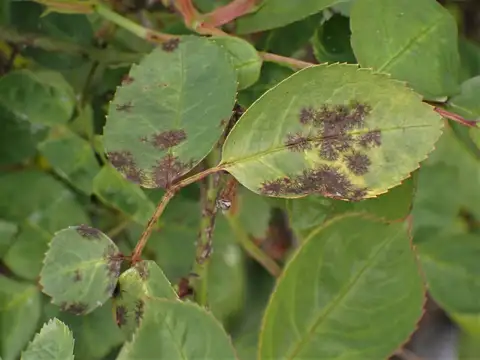
A common fungal disease of roses that causes spotted, yellowing leaves and early leaf drop, weakening the plant over time.
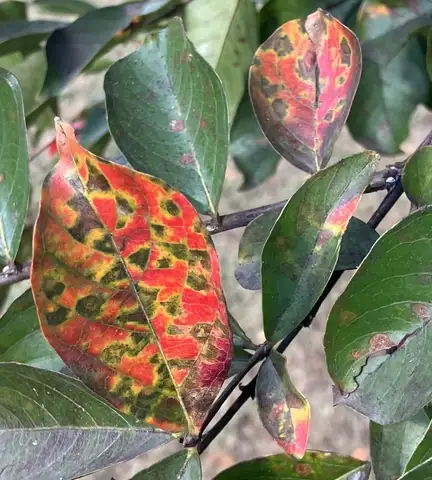
A common leaf disease on crape myrtles that causes yellowing and leaf drop late in the season.
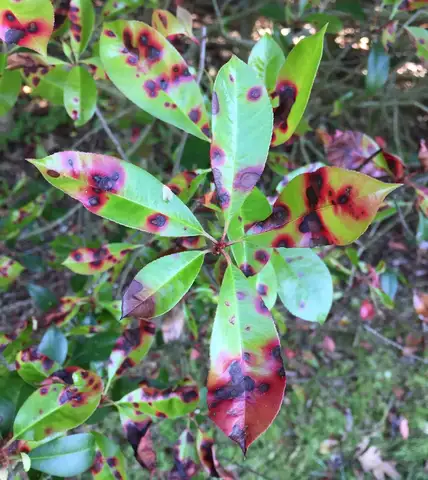
A fungal leaf spot that hits photinia and Indian hawthorn hedges hard, causing spotting and leaf drop.