Crape Myrtle Leaf Spot
A common leaf disease on crape myrtles that causes yellowing and leaf drop late in the season.
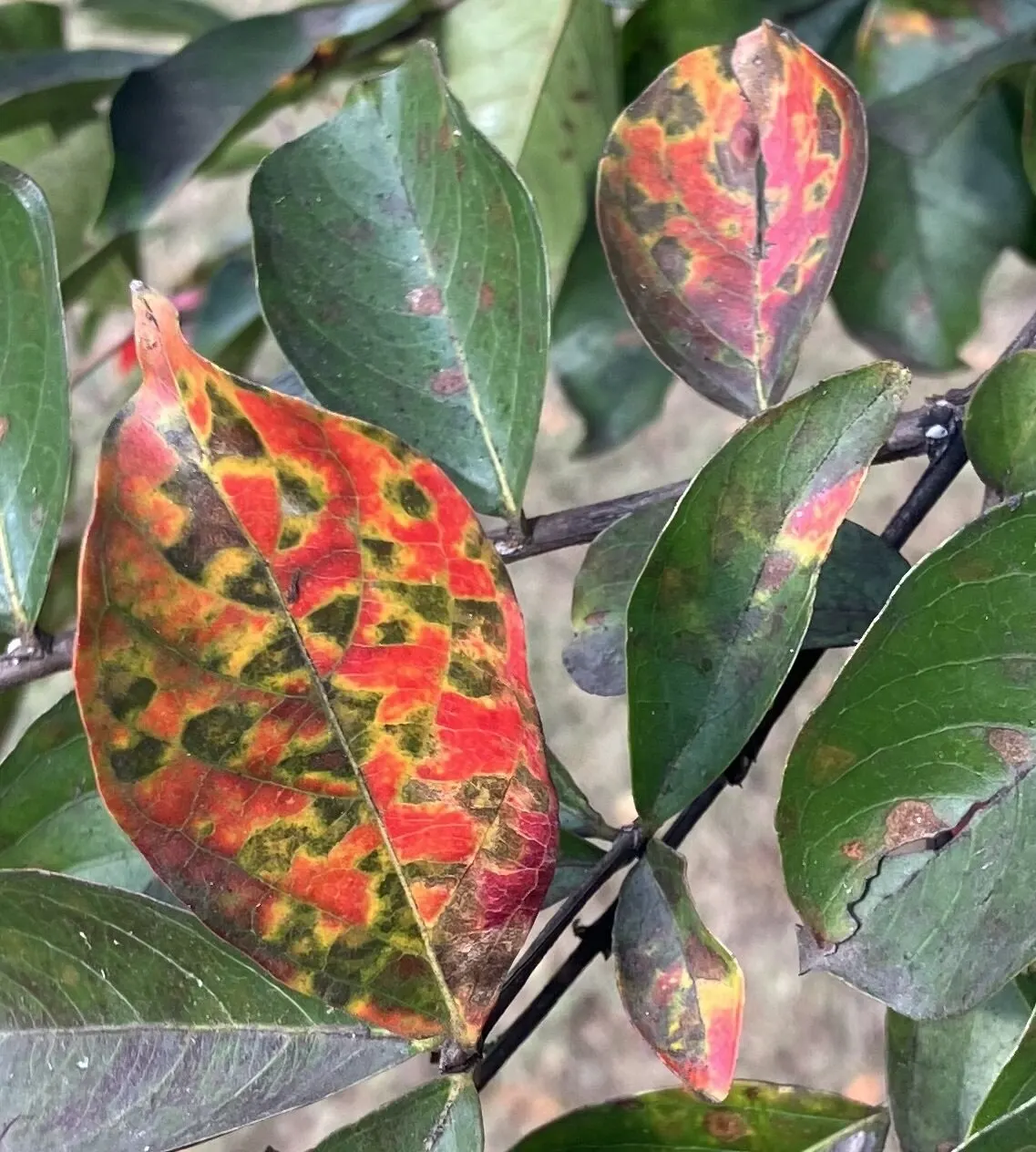
A common leaf disease on crape myrtles that causes yellowing and leaf drop late in the season.
Small, irregular brown spots (about the size of a pencil eraser) show up on the older, lower leaves first. Leaves around the spots turn yellow, and by late summer heavily affected trees can lose a good portion of their leaves.
Often mistaken for: Other leaf spot or fungal diseases on crape myrtle
Shows up mid-summer into fall in the Triangle, typically from mid-July through September.
Affects crape myrtles in home landscapes, especially varieties that are more prone to it.
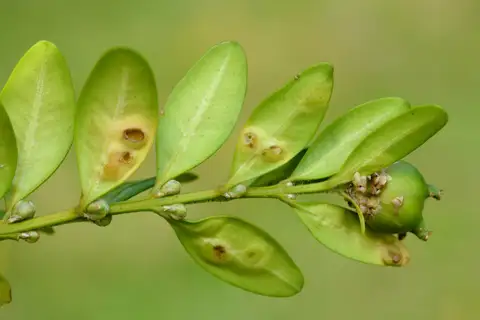
A tiny pest that tunnels inside boxwood leaves, leaving them blistered and off-color. Bad infestations can make a boxwood look sickly year-round.
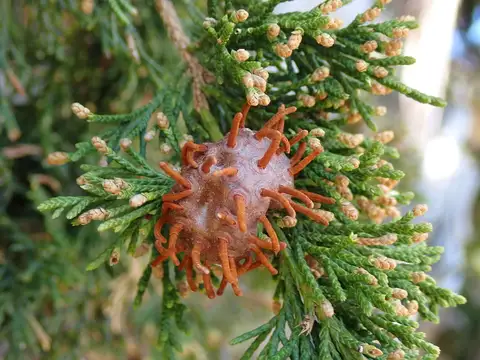
A fungus that needs both cedar/juniper and crabapple-type trees to complete its cycle, causing ugly spots and galls.
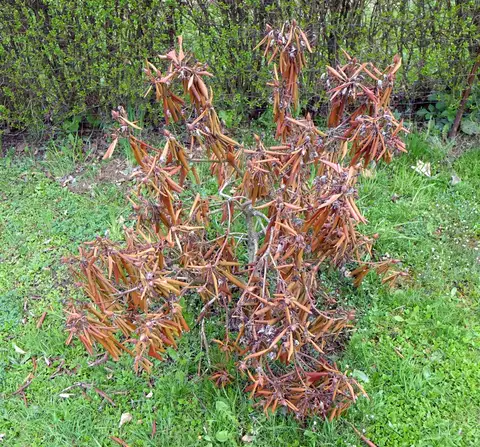
A soil-borne disease that rots roots and crowns of shrubs in wet, poorly-drained spots, often mistaken for drought stress.
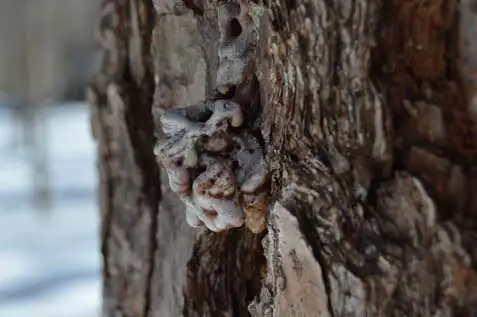
These beetles attack pines that are already stressed or dying, hastening the tree's decline and posing a risk to nearby trees.