Poison Ivy
Toxicodendron radicans
"Leaves of three, let it be." The vine behind most itchy rashes in the Triangle, and it can grow as a groundcover, shrub or climbing vine.
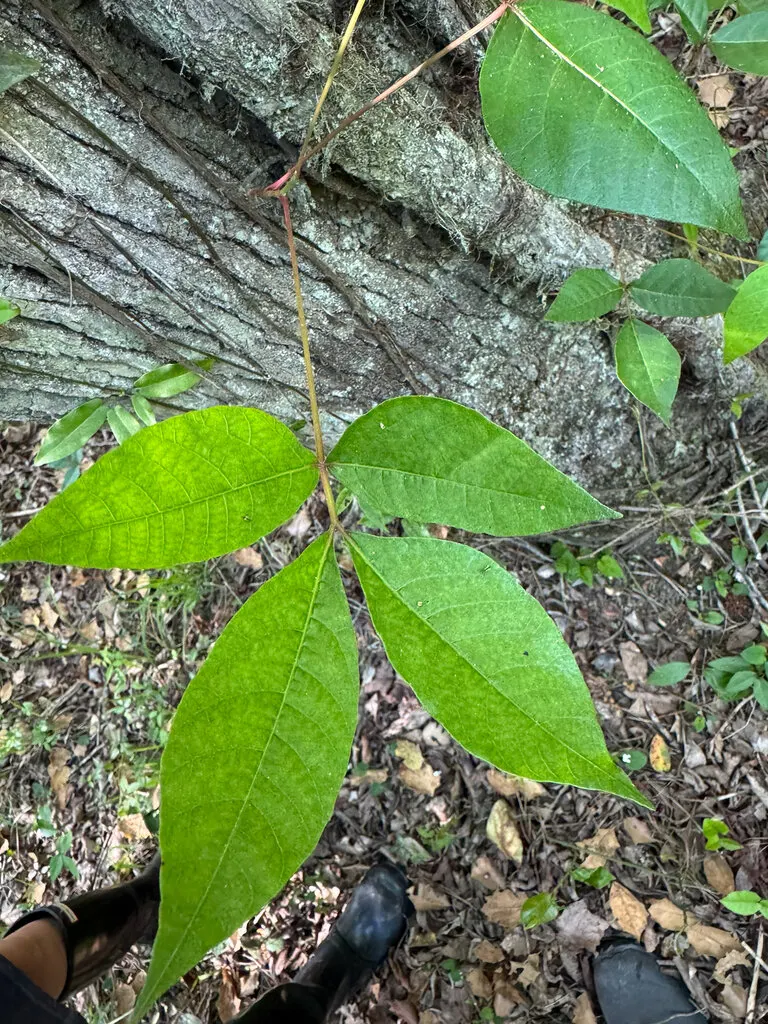
"Leaves of three, let it be." The vine behind most itchy rashes in the Triangle, and it can grow as a groundcover, shrub or climbing vine.
Each leaf has three leaflets, and the middle one sits on a longer stem than the two side ones. Edges can be smooth, toothed or lobed, and leaves can be shiny or dull, red in spring and fall. It grows along the ground, as a small shrub, or up trees on a hairy, rope-like vine, and it makes clusters of whitish berries.
Often mistaken for: Virginia creeper (five leaflets), boxelder seedlings, or young blackberry (thorny)
Leaves are out from spring through fall, but the rash-causing oil (urushiol) is in every part of the plant all year, including bare winter vines and roots.
Woods edges, fence lines, beds, under trees, and anywhere a lawn meets a wooded area.
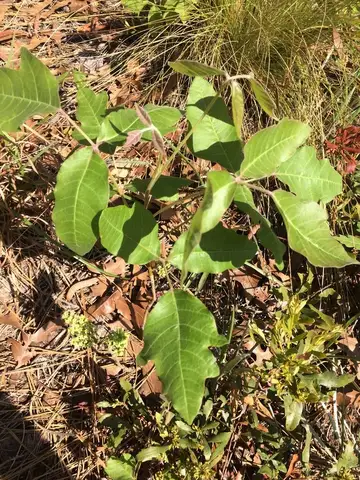
A low, fuzzy-leaved shrub with the same rash-causing oil as poison ivy. Less common in the Triangle than poison ivy.
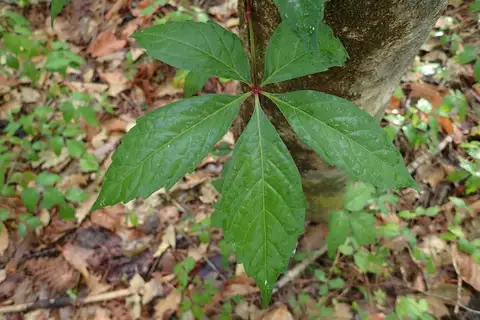
A fast native vine with five leaflets that climbs trees, fences and houses. Often mistaken for poison ivy.
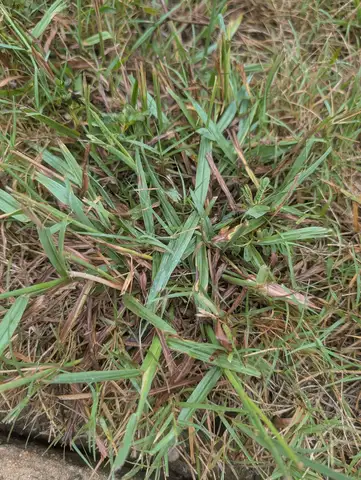
A coarse, clumping perennial grass weed that stands out from your turf and spreads by seed if left alone.
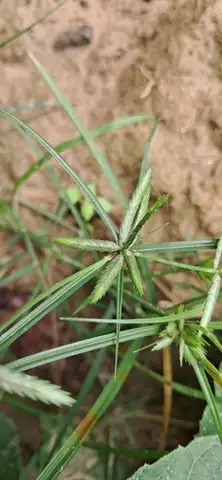
A summer weed that thrives in soggy lawns but, unlike its cousins, doesn't come back from roots year after year.