Nematodes (turf-parasitic)
Tiny soil pests that damage grass roots, causing patchy thinning that looks like drought stress but doesn't respond to water.
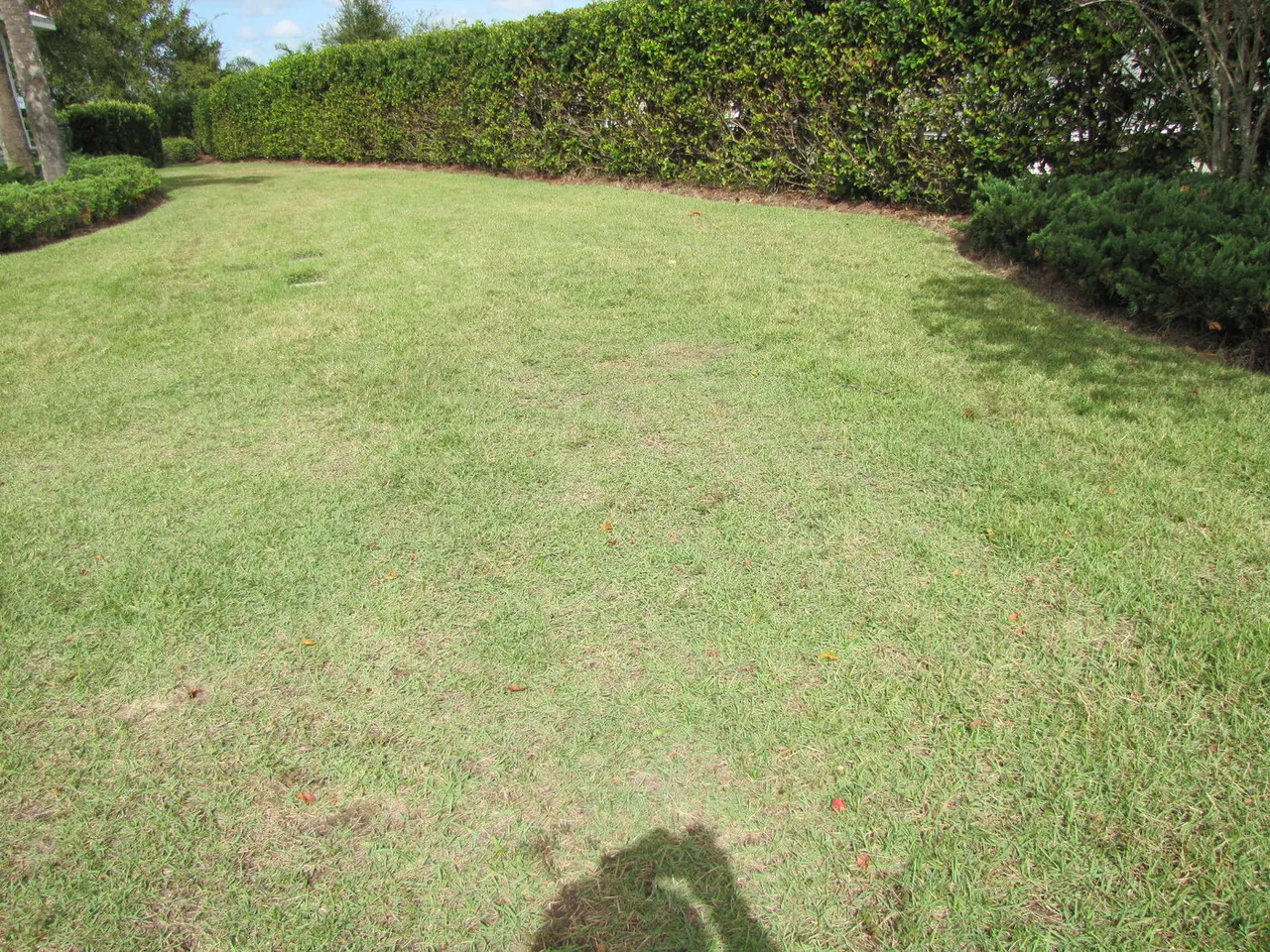
Tiny soil pests that damage grass roots, causing patchy thinning that looks like drought stress but doesn't respond to water.
Irregular, diffuse patches of yellowing, thinning, or wilting grass that can look a lot like drought or a nutrient problem. It tends to be worse in sandy soil and won't improve with extra water or fertilizer. Because the above-ground symptoms mimic so many other issues, you really can't tell it's nematodes just by looking — a soil sample sent to a lab is the only way to confirm.
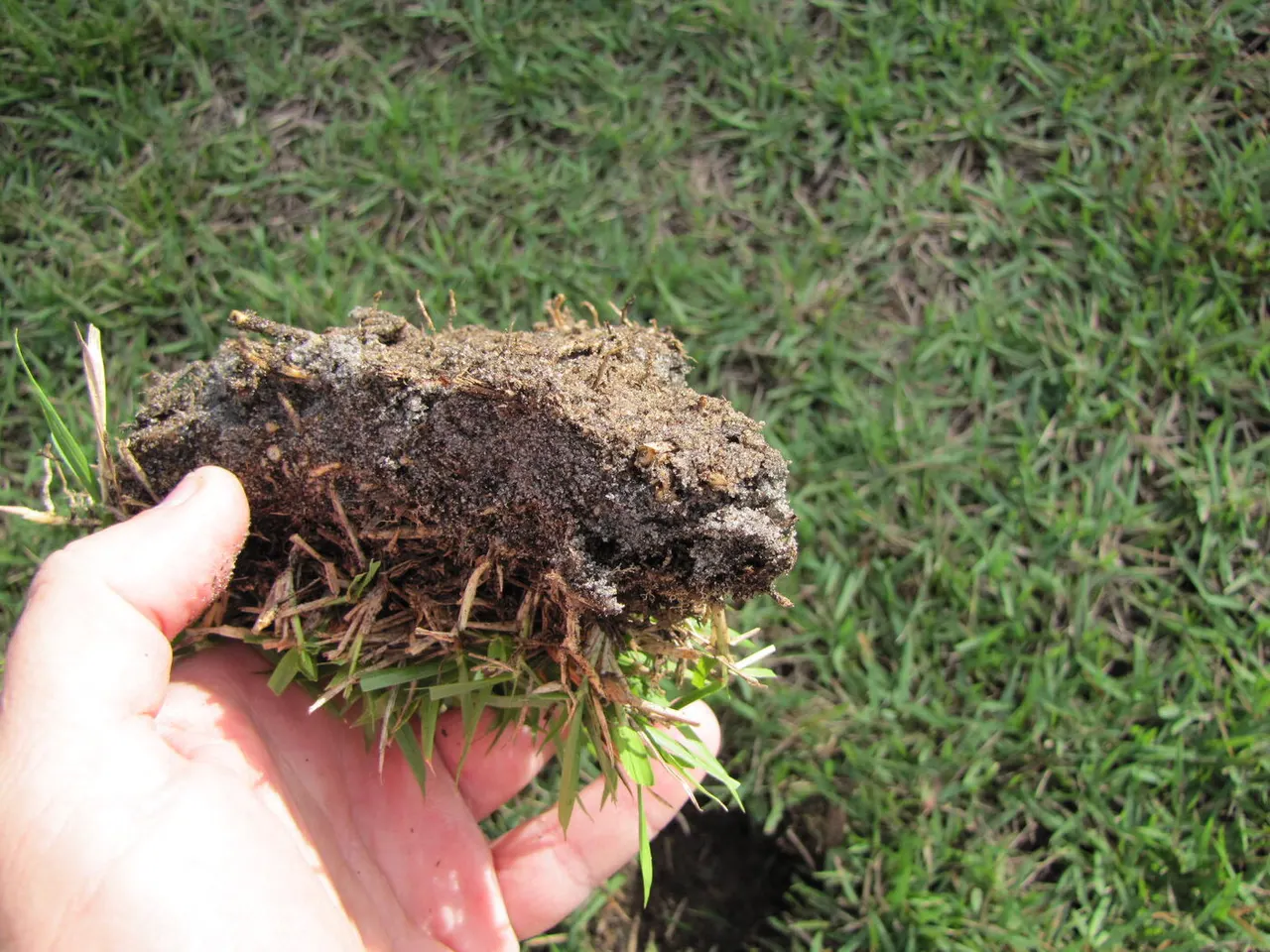
Often mistaken for: Drought stress, nutrient deficiency, or other root/soil issues
Symptoms show up worst during the heat and dry stretches of summer, especially in sandy soils. Late summer is the best time to pull a soil sample for the most accurate count.
Affects home lawns of bermudagrass, St. Augustinegrass, zoysiagrass, and tall fescue, particularly in sandy soil.
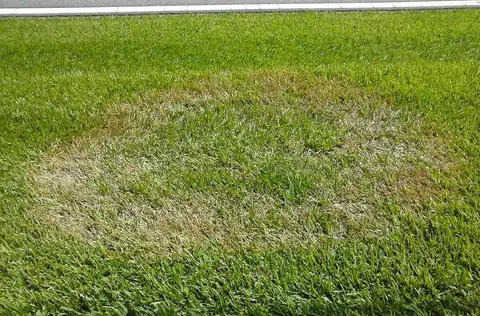
A summer fungal disease that causes circular brown patches in fescue and other cool-season lawns during hot, humid weather.
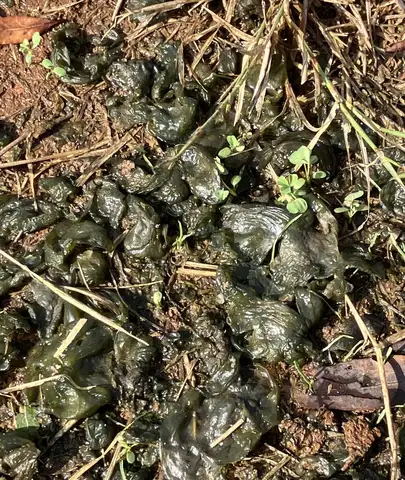
A slimy dark scum that grows on bare, wet, shady soil where grass is thin—more of a symptom than a disease itself.
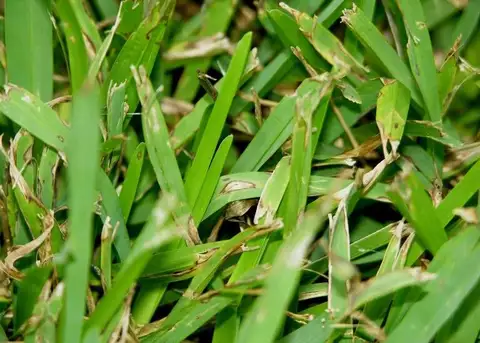
A summer disease that hits stressed lawns hard, especially newly established fescue and ryegrass.
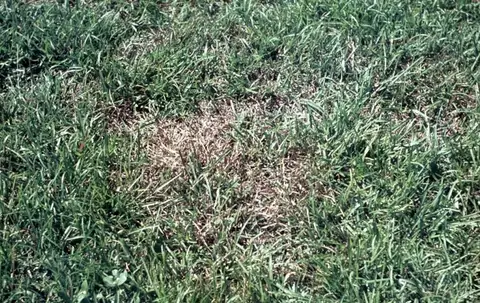
A fungal disease that causes big circular patches in warm-season lawns during cool, wet weather.