Marsh Seedbox (Water Purslane)
Ludwigia palustris
A low, creeping weed with glossy paired leaves and reddish stems that takes over damp, shady spots where grass struggles.
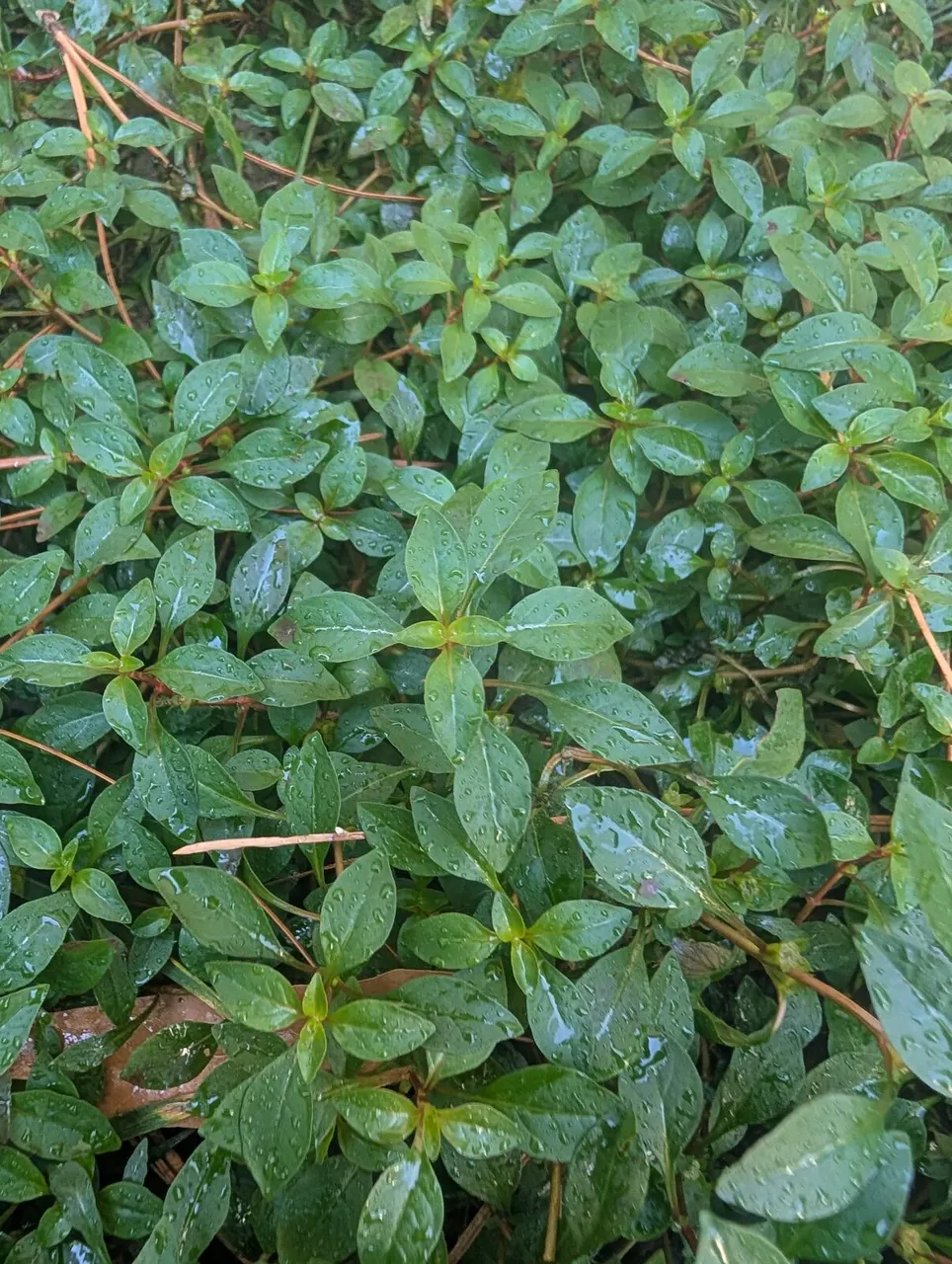
A low, creeping weed with glossy paired leaves and reddish stems that takes over damp, shady spots where grass struggles.
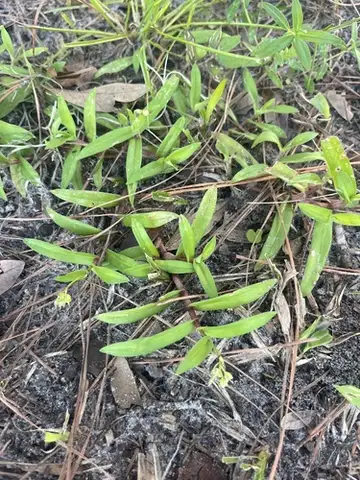
Forms flat, spreading mats. Leaves are smooth, shiny and oval to lance-shaped, in opposite pairs along trailing reddish stems that root wherever they touch wet ground. The flowers are tiny and easy to miss: greenish, with no petals, tucked right where the leaves meet the stem.
Often mistaken for: Virginia buttonweed (rough, hairy leaves and white star flowers) and common periwinkle (thicker, leathery evergreen leaves and purple flowers)
Grows and spreads from late spring into fall, and stays green through mild Raleigh winters in wet spots.
Low spots, drainage paths, heavily shaded corners and areas that stay wet from sprinklers or runoff. It often grows alongside pennywort and other moisture-loving weeds.
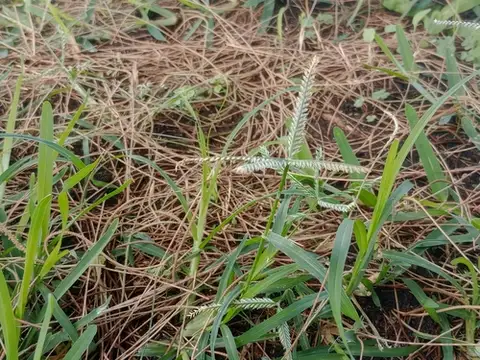
A tough summer grassy weed that thrives in compacted, worn-down lawns and spreads fast in high-traffic areas.
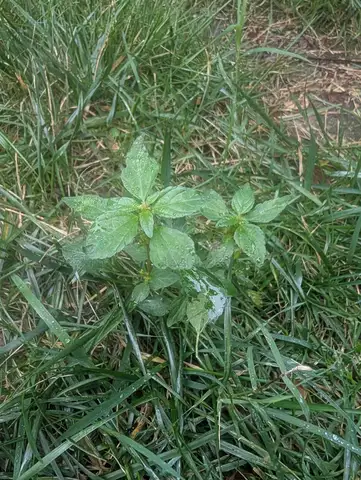
An upright summer weed with toothed, diamond-shaped leaves and tiny flowers tucked in leafy cups. Common in NC lawns and beds.
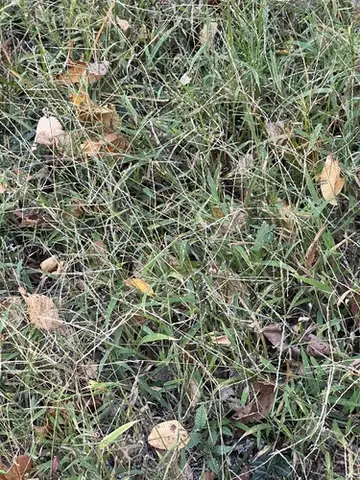
A summer annual grassy weed that spreads low and thick in thin or bare lawns, crowding out your good turf.
A sneaky summer weed that looks like grass until it flowers, showing up after most pre-emergents wear off.