Broomsedge
Andropogon virginicus
A tough perennial bunchgrass that pops up when soil is poor, dry, or acidic — it's a sign your lawn needs some soil help.
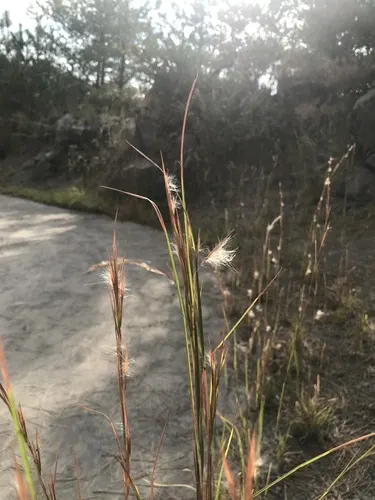
A tough perennial bunchgrass that pops up when soil is poor, dry, or acidic — it's a sign your lawn needs some soil help.
Grows in clumps with flattened, hairy leaf sheaths. In fall and winter the mature leaves turn light tan to orange and stand upright, and it puts up an orange-ish seed head that makes it easy to spot as bright clumps across the yard.
Often mistaken for: Other upright bunchgrasses; most recognizable by its orange-tan fall/winter color
It's a perennial, so it's around all year, but it's most noticeable and easiest to identify from fall through winter when it turns that orange-tan color.
Shows up in home lawns, especially thin or struggling turf growing in poor, dry, or acidic, low-fertility soil.
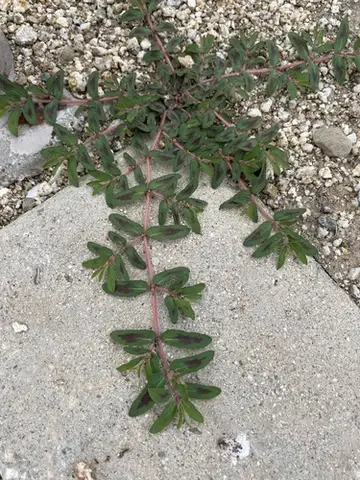
A low-growing summer weed that moves into thin, dry, or compacted lawn areas.
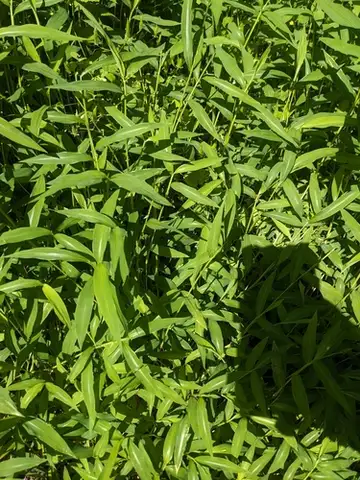
An invasive summer grassy weed that spreads fast in shady, moist spots and takes over lawn edges and beds.
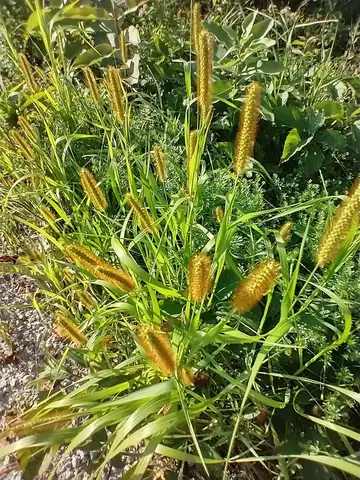
A summer weed grass with a fuzzy, bottle-brush seedhead—common in thin or disturbed lawn areas.
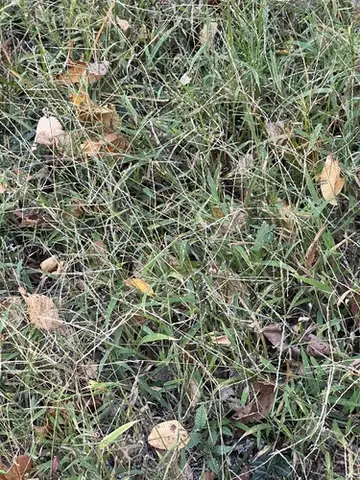
A summer annual grassy weed that spreads low and thick in thin or bare lawns, crowding out your good turf.