A spongy layer of dead stems and roots between the grass and the soil that blocks water and air once it builds past half an inch.
Cut a small wedge out of the lawn with a trowel and look at the profile: thatch is the brown, fibrous, spongy layer between the green blades and the soil. Under half an inch is normal and even helpful. Past that, the lawn feels springy underfoot, water beads up or runs off instead of soaking in, the mower scalps on high spots, and the grass roots sit in the thatch instead of the soil, so it dries out and browns fast in summer.
Often mistaken for: Compacted soil, poor drainage, or a disease ring
Builds up over years rather than showing up overnight. It is most noticeable in summer, when a thatchy lawn dries out and scalps, and during spring green-up on bermuda and zoysia when old brown material is exposed.
Mostly a bermuda and zoysia problem in the Triangle, since those grasses spread by stolons and rhizomes that pile up fast. Tall fescue is a bunch grass and rarely builds much thatch; what feels like thatch in fescue is more often compacted clay.
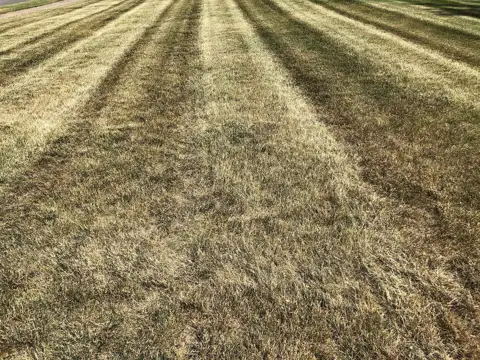
Summer decline of tall fescue when heat and dry weather outrun the roots, showing as footprints, gray-blue color, wilting and eventually brown dormant turf.
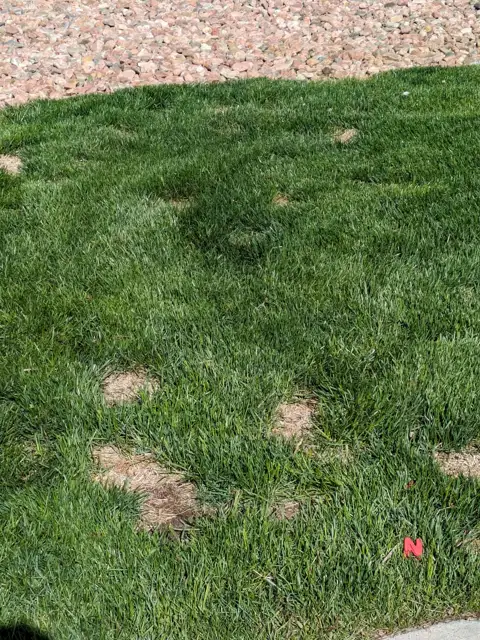
Brown, dead-centered spots ringed with extra dark-green grass, caused by the concentrated nitrogen and salts in a dog's urine.
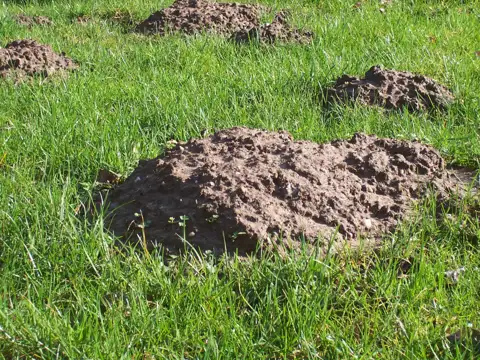
A small digging mammal that leaves raised, spongy tunnels and volcano-shaped mounds across the lawn while hunting earthworms and grubs underground.

Mouse-sized rodents that chew narrow runways through the grass and eat the roots, bark and bulbs of shrubs and perennials.
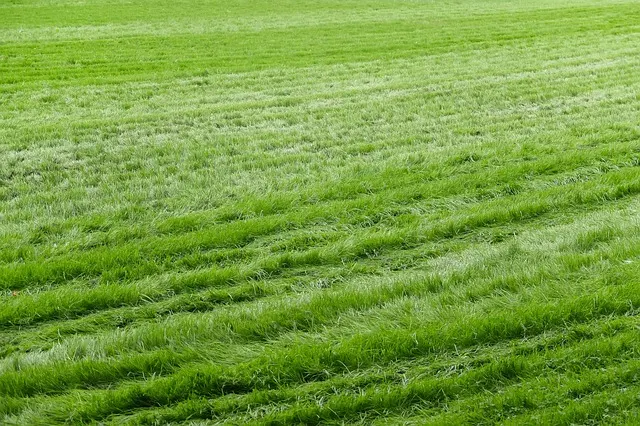
Posted prices, no contracts, and the same person on your lawn every visit.