Wisteria
Wisteria sinensis (Chinese), Wisteria floribunda (Japanese)
A fast, woody, invasive vine with fragrant purple spring flowers that escapes old plantings, runs along the ground and strangles trees and fences.
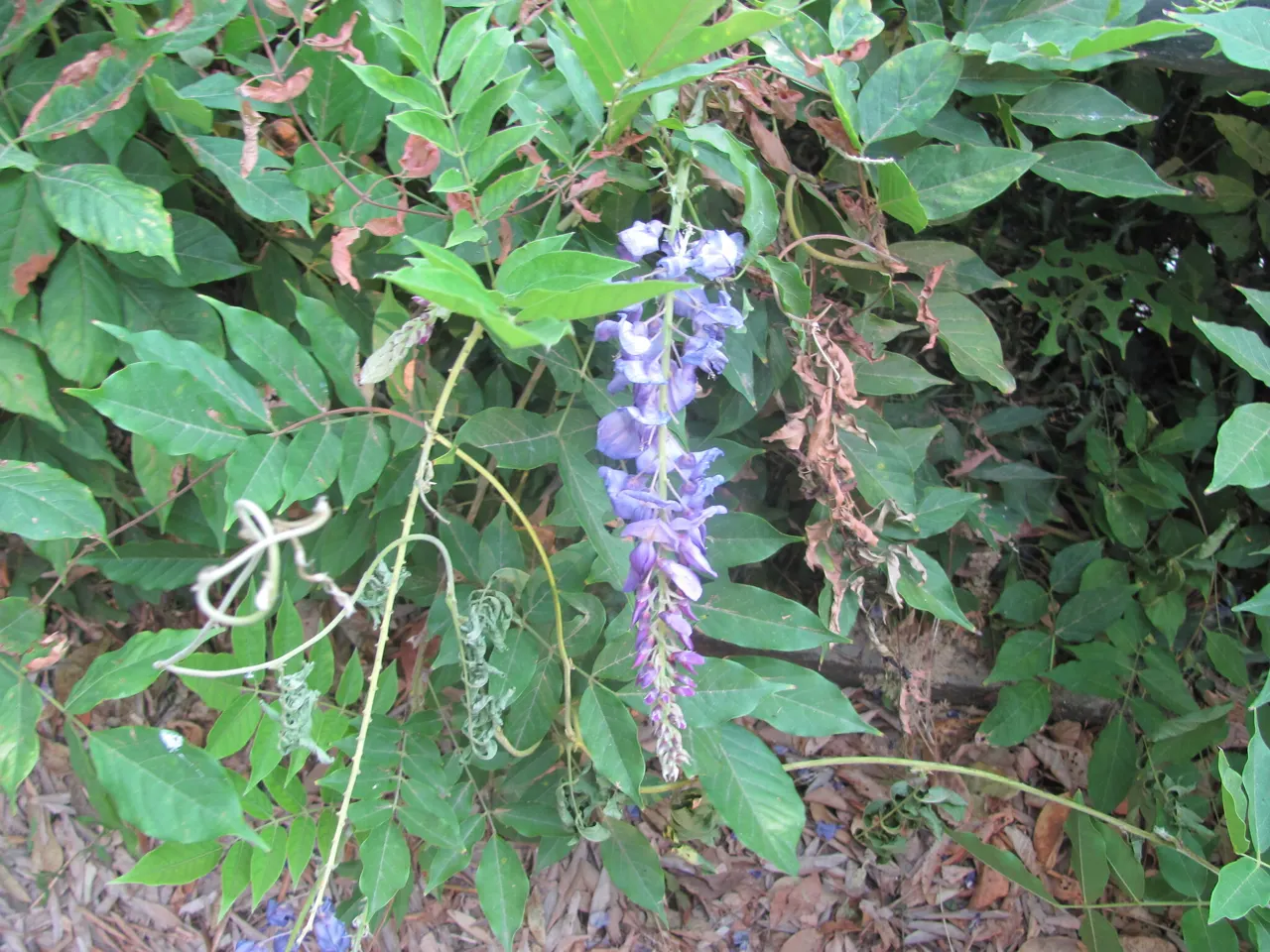
A fast, woody, invasive vine with fragrant purple spring flowers that escapes old plantings, runs along the ground and strangles trees and fences.
Twining woody stems that spiral around whatever they climb and thicken into tree-sized trunks over time. Leaves are compound with 7 to 19 leaflets in a row, and the hanging clusters of fragrant lavender-purple flowers open in April, around the time the leaves come out. Velvety, bean-like seed pods follow. On the ground it sends out long runners that root as they go and sprout new plants across a lawn edge or bed.
Often mistaken for: American wisteria (the native, blooms later after leafing out and is much better behaved), trumpet vine, or black locust seedlings
Blooms in April in the Triangle, grows aggressively through summer, drops its leaves in fall, and the bare woody vines and runners are there all winter. Seedlings and root sprouts show up all season.
Old home sites, fence lines, woods edges and lawn borders anywhere a wisteria was planted on a porch or arbor decades ago and has wandered.
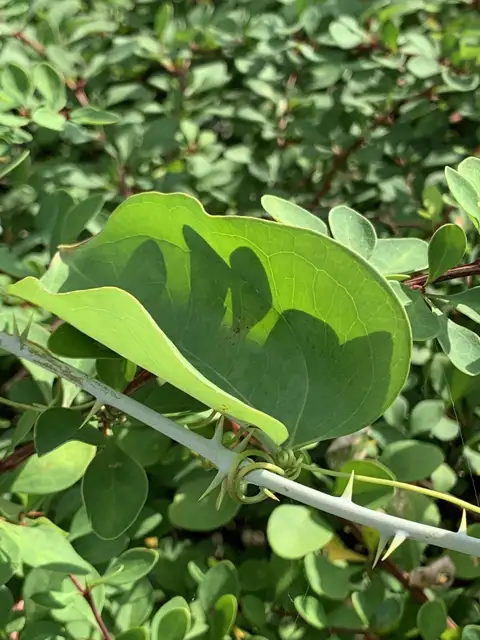
A thorny native vine that creeps from wood edges into beds and lawns and regrows from tough underground tubers no matter how often it is cut.
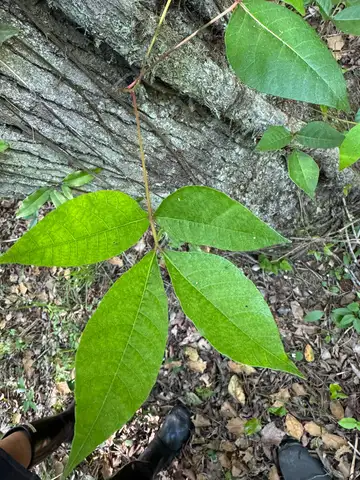
"Leaves of three, let it be." The vine behind most itchy rashes in the Triangle, and it can grow as a groundcover, shrub or climbing vine.
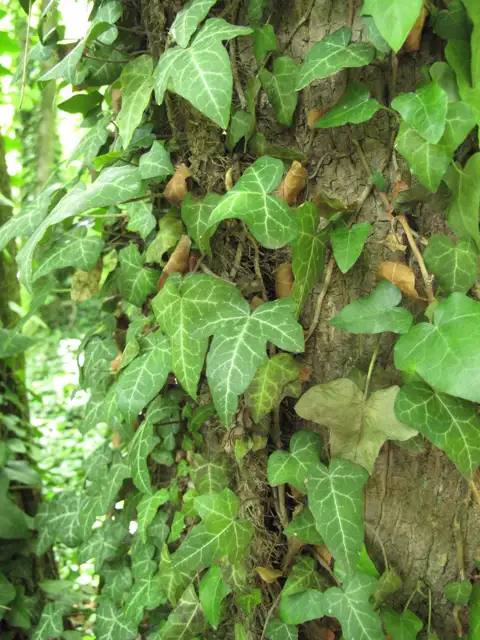
An evergreen, invasive vine that creeps out of beds into lawn edges and climbs trees, fences and walls with clinging rootlets.
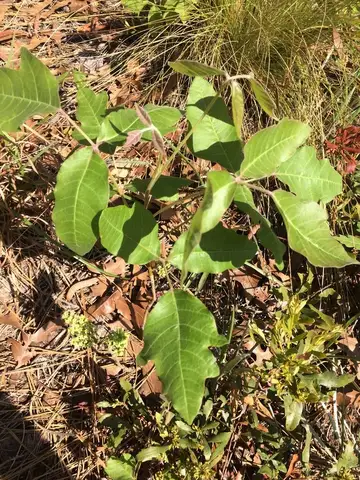
A low, fuzzy-leaved shrub with the same rash-causing oil as poison ivy. Less common in the Triangle than poison ivy.