Lawn Mushrooms
Mushrooms, toadstools and puffballs that pop up after rain as fungi break down buried wood, roots and thatch; harmless to the grass itself.
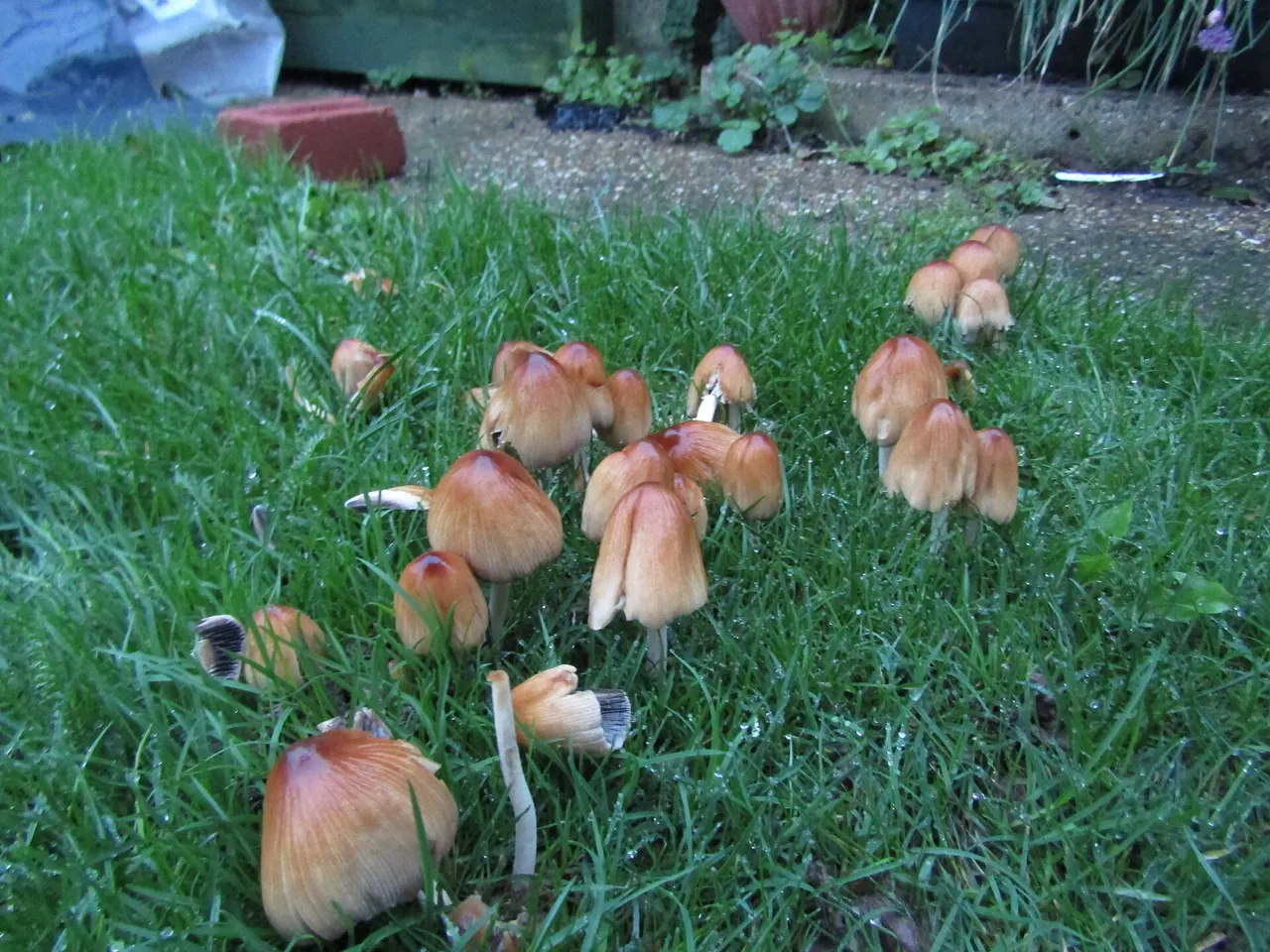
Mushrooms, toadstools and puffballs that pop up after rain as fungi break down buried wood, roots and thatch; harmless to the grass itself.
Classic cap-and-stem mushrooms in white, tan or brown, scattered or in small clusters; round white puffballs; foul-smelling orange or white stinkhorns; or little cup-shaped bird's nest fungi in the mulch. They appear overnight after wet weather and collapse within a few days. The grass around them is usually fine. If they come up in an arc or circle, or the grass in a ring is darker green or dying, see fairy ring instead.
Often mistaken for: Fairy ring (which forms rings and affects the grass), slime mold, or dog vomit fungus on mulch
Any warm, wet stretch from spring through fall in the Triangle, and especially late summer and early fall after a run of thunderstorms. They are common the first few years after a tree is removed or a new house is built, while the buried roots and scrap wood rot away.
Lawns over old tree roots, stumps and construction debris, heavily mulched beds, shady wet areas, and anywhere the soil stays damp for days.
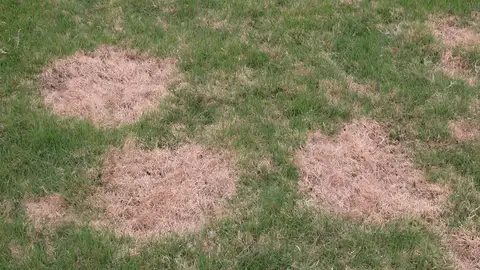
A fungal disease of bermuda and zoysia lawns that leaves circular dead patches which don't green up in spring.
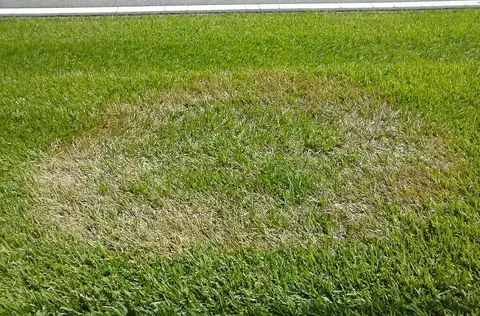
A summer fungal disease that causes circular brown patches in fescue and other cool-season lawns during hot, humid weather.
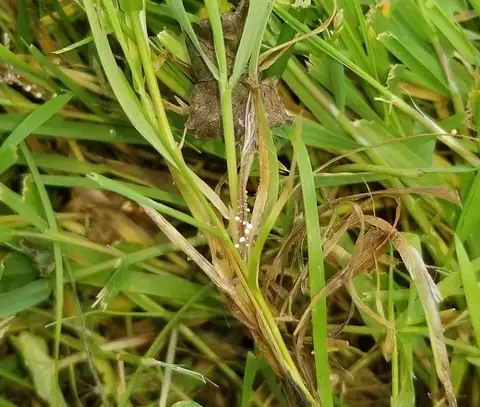
A soil-borne fungal disease that kills turf in circular patches during hot, humid summer weather.
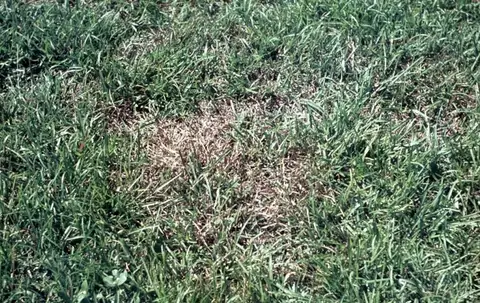
A fungal disease that causes big circular patches in warm-season lawns during cool, wet weather.