Why the November feeding does more for tall fescue than any spring feeding, what really happens in the roots, and why the type of nitrogen matters in cold soil.
 David Myers · owner & NC-licensed pesticide applicator
November 6, 2026
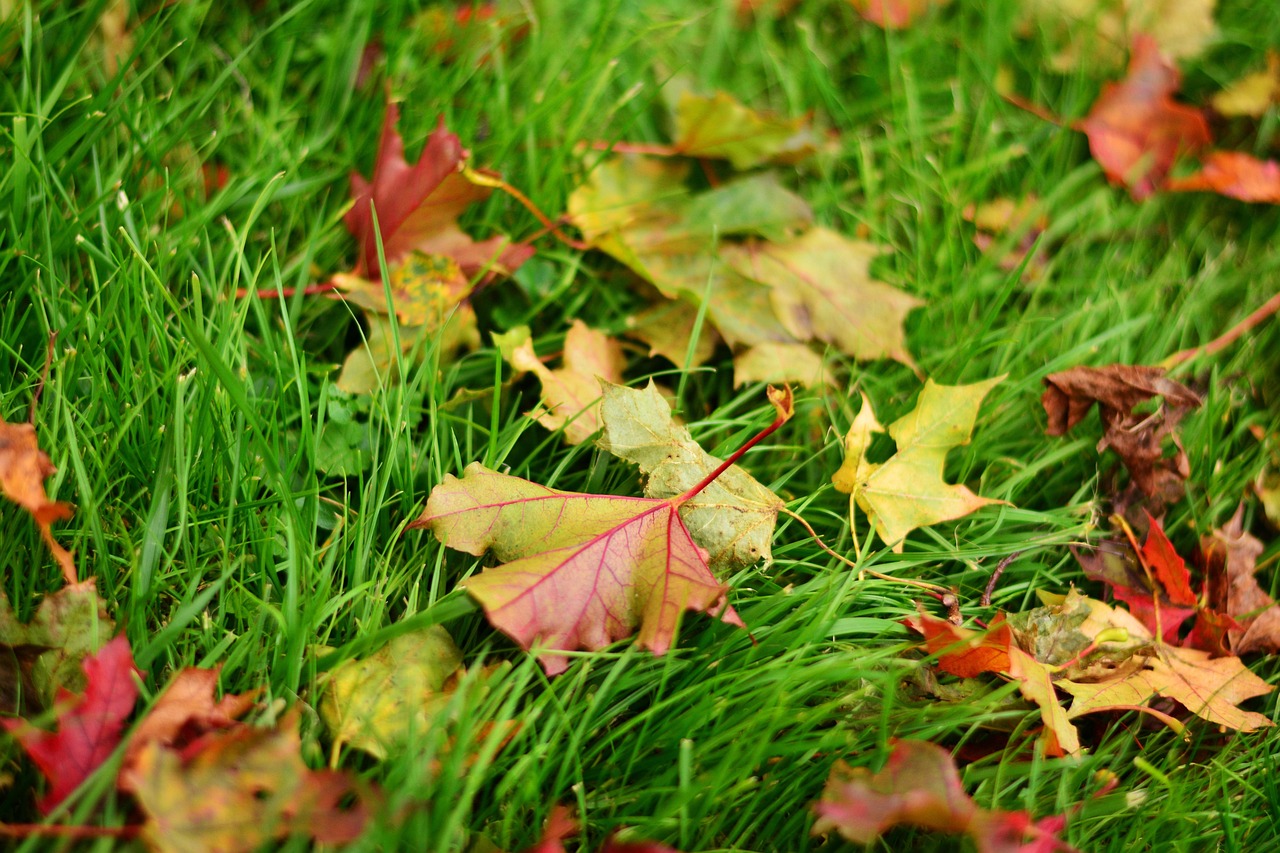
If you only feed your fescue lawn once a year, November is the time to do it. The last feeding of the year, in early to mid November around Raleigh, does more for your lawn than any spring feeding. Here's why, and how to get it right.
When the air turns cold, tall fescue slows down above ground. You'll notice you're mowing less. Below ground it's a different story: the roots keep growing until the soil gets down to about 40°F, which in Raleigh usually isn't until December or later.
So in November, the grass is still green, still making food from sunlight, and still building roots. It just isn't spending much of that energy on new leaves.
You may have heard that. It's close, but not quite how it works. Fertilizer doesn't force anything anywhere. What happens is simpler: the grass takes up the nitrogen and keeps making sugars, and since it isn't pushing out much top growth in the cold, more of those sugars get stored in the crowns, rhizomes and roots.
That stored energy is what you see next year:
Not all fertilizer works in November. A lot of "slow-release" nitrogen depends on soil microbes to break it down, and those microbes slow way down in cold soil. Organic fertilizers and some coated products can sit there doing almost nothing until spring.
For the late-fall feeding, you want a blend with a good share of nitrogen the grass can use right away, plus some that releases with moisture rather than warmth. It has to be applied at the right rate: too much quick-release nitrogen at once can burn a lawn. This is one of the feedings where the product choice really matters, and it's one I pay close attention to on my programs.
New fescue from a September or October seeding benefits from this feeding too. It's still building the roots it needs to get through its first summer. Just keep mowing it at a normal height and keep the leaves off it.
The late-fall feeding is the last visit of the year on every one of my fescue programs. If you're not on a program and want it done this year, get a free estimate.
Posted prices, no contracts, and the same person on your lawn every visit.