Moss
A low, green mat that moves into thin lawn spots where grass has stopped growing because of shade, compaction, wet soil or poor fertility.
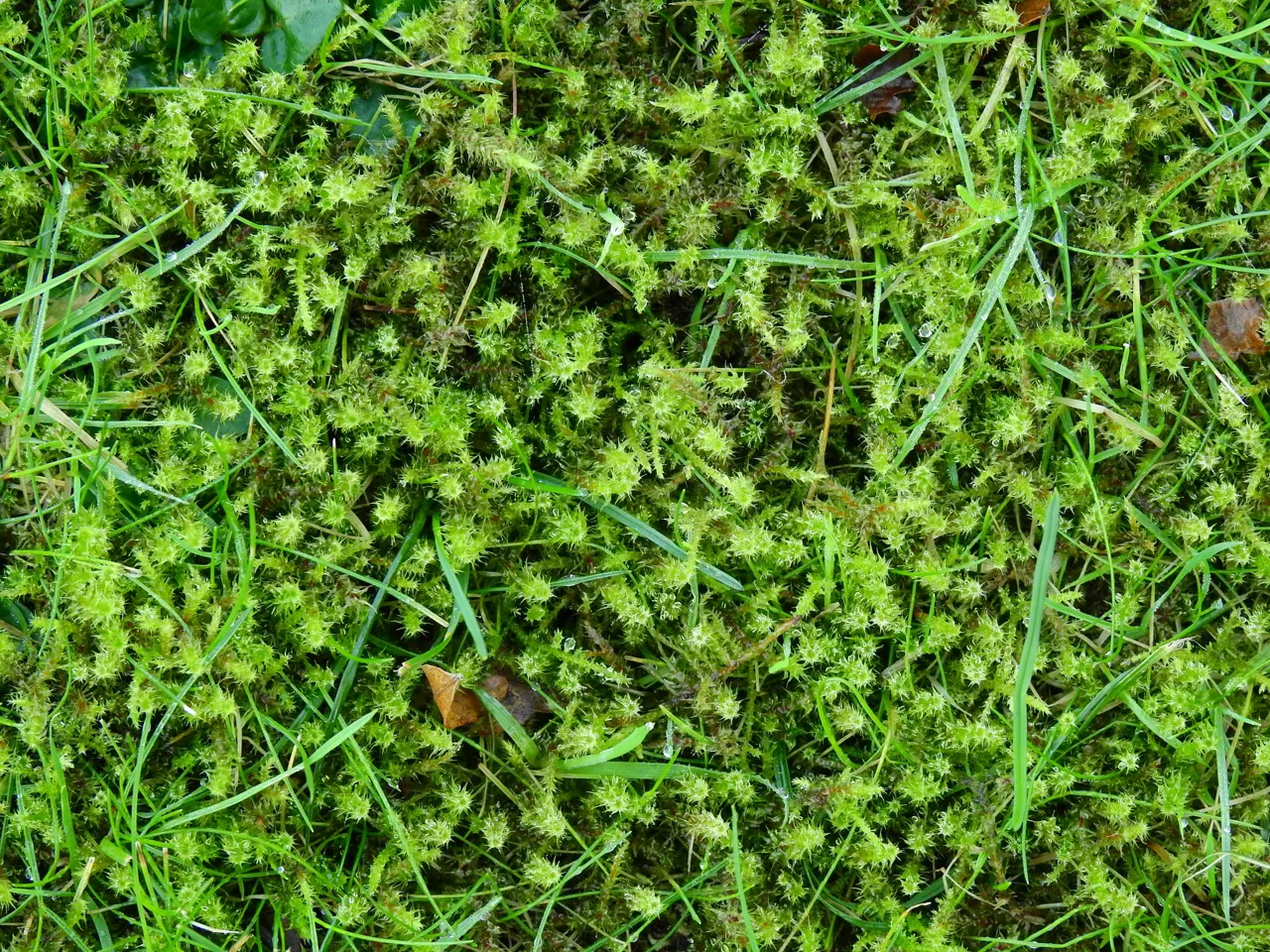
A low, green mat that moves into thin lawn spots where grass has stopped growing because of shade, compaction, wet soil or poor fertility.
A dense, velvety or feathery green carpet, sometimes yellow-green, that sits right on the soil surface with no real roots. It fills in where grass has thinned out and holds up well under foot. Moss does not crowd out healthy grass; it grows where grass already can't.
Often mistaken for: Algae (a dark, slimy crust on bare wet soil), or a thin lawn with no moss yet
Most noticeable from late fall through early spring in the Triangle, when it is cool and wet and the grass is barely growing. Summer heat can dry it out and turn it brown, but it comes right back with fall rain unless the conditions change.
Shaded spots under trees, the north side of houses, compacted paths and play areas, low wet spots, and acidic, low-fertility soil, which describes a lot of Piedmont red clay.
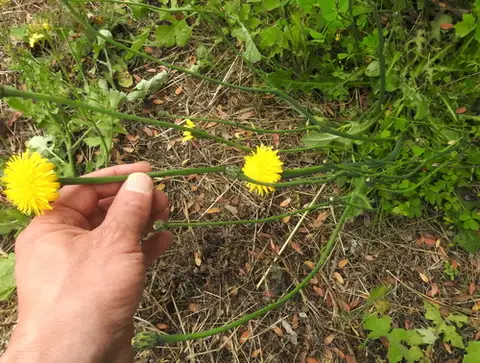
A dandelion look-alike that pops up in thin or stressed lawns and flowers most of the growing season.
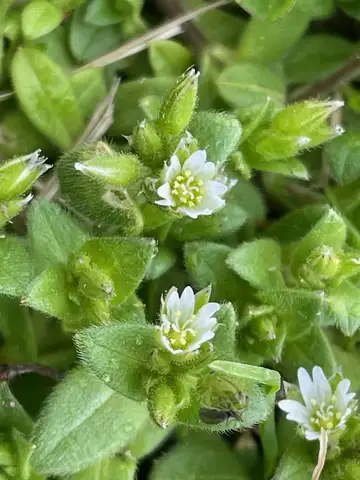
A low, creeping weed that thrives in thin, damp lawns and spreads by rooting as it grows.
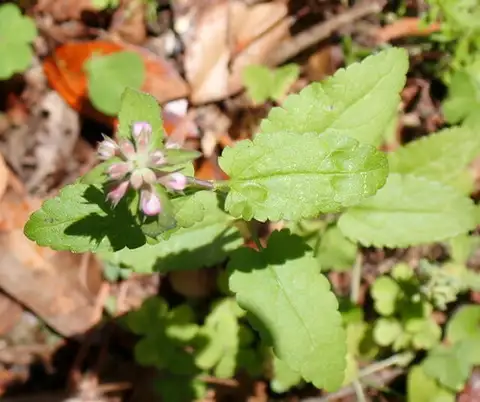
A spreading perennial weed with a rattlesnake-like tuber that's very hard to get rid of once it settles in.
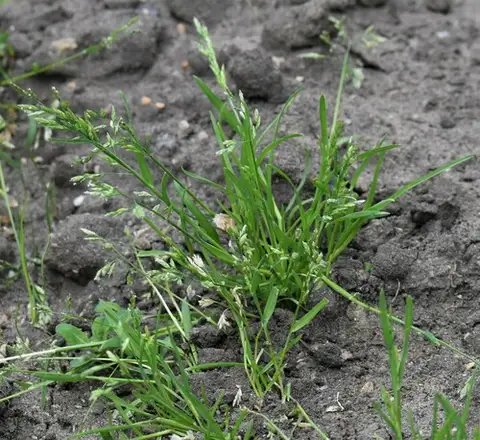
A cool-season weed grass that pops up bright green in winter lawns, then dies off and leaves bare patches by summer.